REVIEW · VENICE
Venice: Pasta Class with Wine and Gelato
Book on GetYourGuide →Operated by Experience in Florence · Bookable on GetYourGuide
Fresh pasta, wine, and gelato in Venice. This hands-on Venice pasta class teaches you to make fettuccine and ravioli from scratch, then pairs it with organic Tuscan wine and a gelato finish that you’ll actually taste while it’s fresh.
I especially like that the cooking is practical: you work the dough, roll it out, shape it, and learn a classic tomato sauce (Pommarola) that you can recreate at home. One thing to weigh first is dietary limits: the class can’t accommodate vegan, gluten-sensitivity, lactose intolerance, or nut allergies.
In This Review
- Key highlights worth your attention
- Campo San Maurizio meeting: finding your class fast
- Making fresh fettuccine and ravioli: what you’ll actually learn
- The sauce lesson that makes the pasta make sense
- The wine tasting: organic Tuscan bottles and a social table
- Gelato from scratch: turning one choice into your own flavor
- What the 3-hour format feels like (and why it matters)
- Food and drink included: what’s covered in the meal
- Price and value: is $93 per person actually fair?
- Who this class fits best (and who should choose differently)
- Real-world vibe: what makes the best sessions feel memorable
- Should you book this Venice pasta class with wine and gelato?
- FAQ
- Where is the meeting point for the class?
- How long is the Venice pasta class?
- Is the class taught in English?
- How many people are in the group?
- What’s included in the price?
- What dietary restrictions does this activity not accommodate?
Key highlights worth your attention
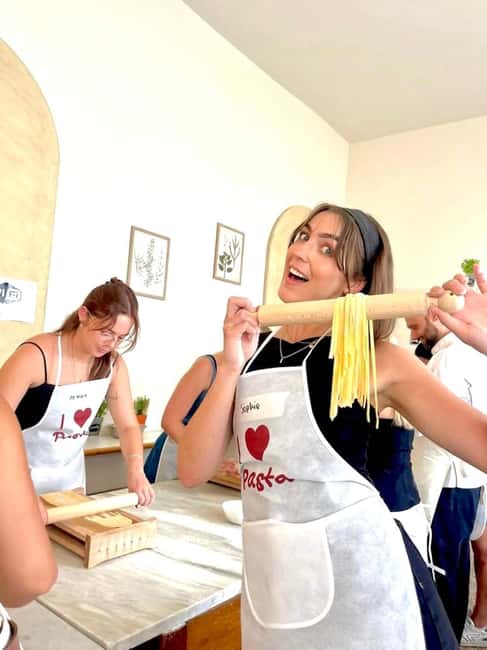
- Small group vibe (up to 10): more hands-on attention and easier conversation
- Pommarola sauce training: you learn a classic tomato base, not just pasta assembly
- Organic Tuscan wine tasting: including Dalle Nostre Mani, produced at the host’s farm
- Gelato from scratch: you’ll make your own flavor and taste it right away
- English instruction: clear explanations from hosts like Alex, Bea, Ottavia, Fio, and Martina
- Central Venice meeting point: Campo San Maurizio, with a clearly recognizable pinwheel host
Campo San Maurizio meeting: finding your class fast
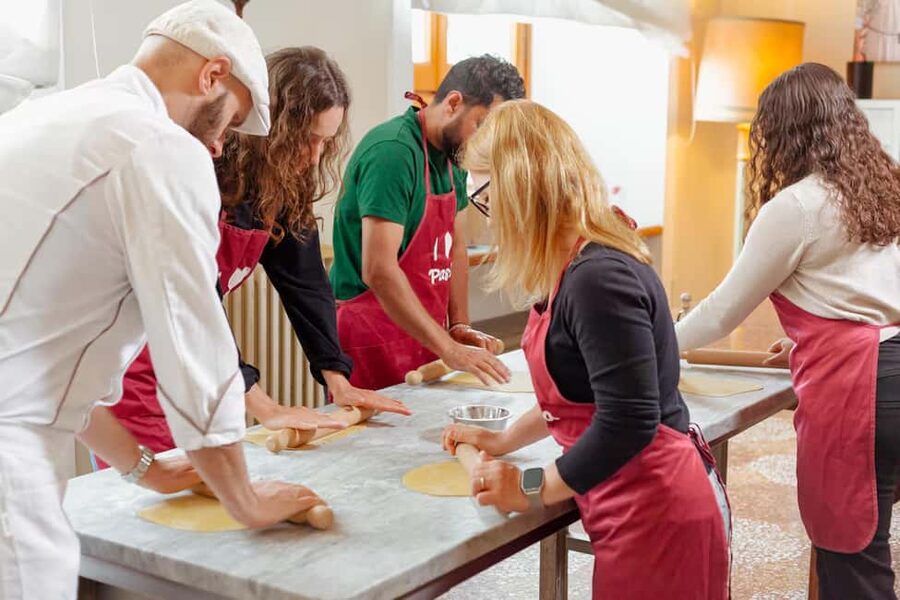
This is one of those Venice activities where being prompt really helps. You meet in Campo San Maurizio by the main flagpole with the orange/red flag, and your instructor will be easy to spot with a colorful pinwheel.
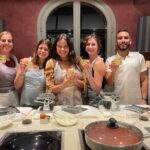
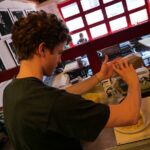
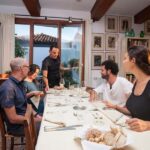
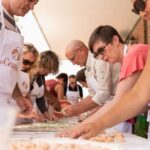
The format is small—limited to 10 participants—and that matters because you’re not just watching. You’re working at the counter, using the tools, and learning while you go, which is a big part of why people rave about the atmosphere.
You can also read our reviews of more tours and experiences in Venice.

Making fresh fettuccine and ravioli: what you’ll actually learn
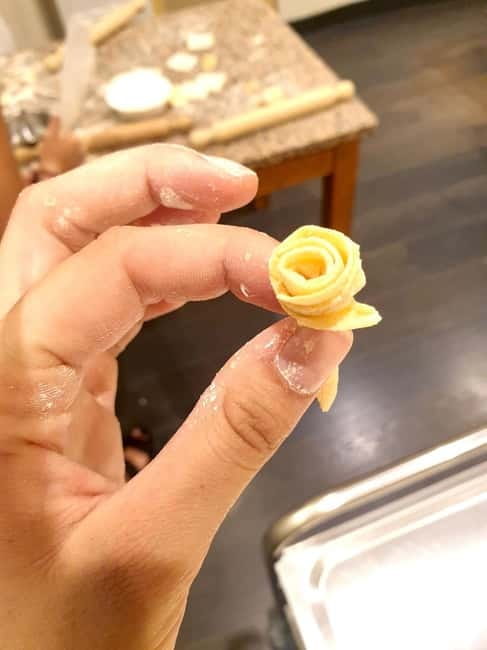
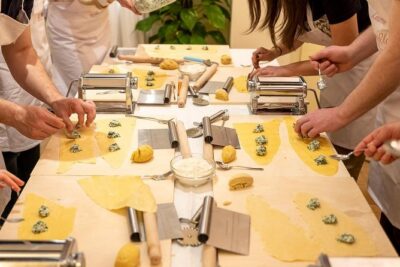
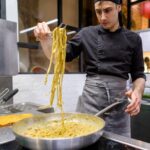
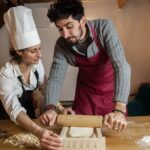
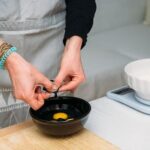
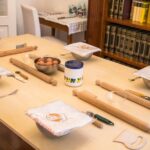
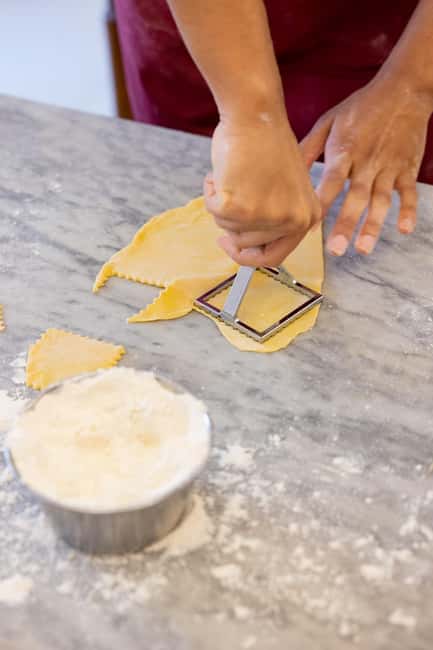
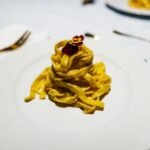
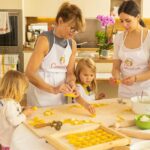
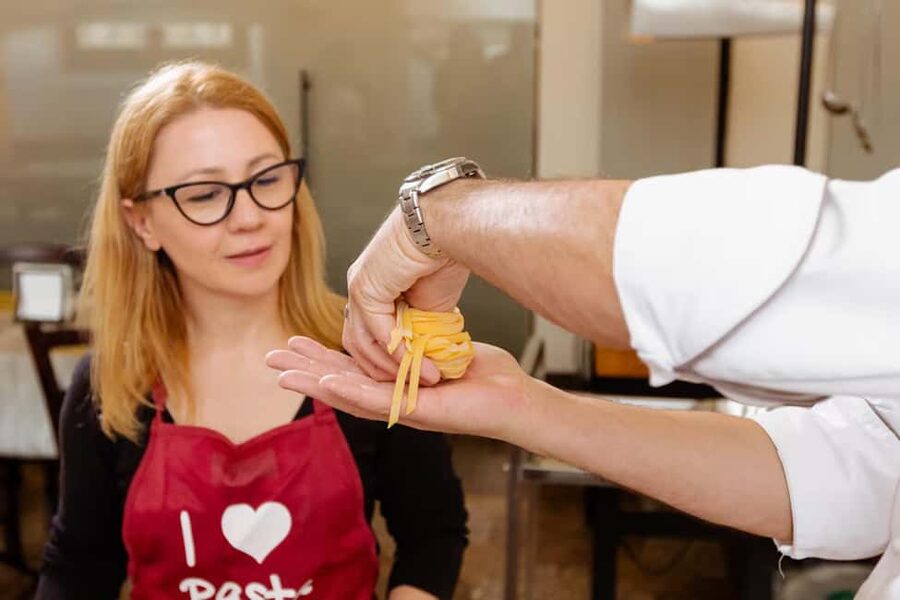
The core of the evening is pasta, and it’s taught the old-school way: eggs and flour become dough in your hands. You’ll learn to use simple tools like rolling pins and pasta “guitars” (those ridged tools that help create texture), then shape pasta you can recognize later even after you’re back home.
You can expect to make at least two types of pasta, commonly fettuccine and ravioli. The pacing tends to be step-by-step: mix, knead, roll, cut/shape, then cook and eat what you made. That structure is great if you’ve never made pasta before, because there’s no mystery—just repeatable technique.
The sauce lesson that makes the pasta make sense
Pasta alone is good. But the real win is sauce know-how. You’ll learn the classic Pommarola tomato sauce, which gives you a baseline for how Italian cooks build flavor with tomatoes.
From the way instructors explain it, the point isn’t to memorize a complicated recipe. It’s to learn what to pay attention to—how tomato changes as it cooks, how thickness affects coating, and how the sauce should behave with fresh pasta.
The wine tasting: organic Tuscan bottles and a social table
Wine isn’t treated like an afterthought here. The experience includes tastings of organic Tuscan wines, including Dalle Nostre Mani, made exclusively at the host’s farm.
This part works for two reasons:
1) You get a guided taste that fits the food you’re making.
2) The class stays social while you cook, so the table doesn’t feel like a classroom.
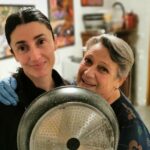
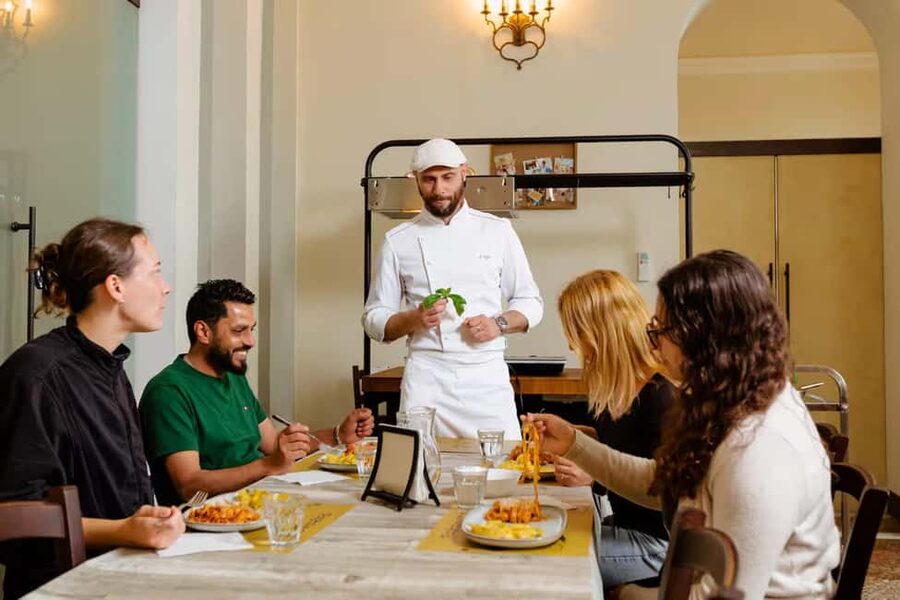
Hosts in this program—people like Alex, Bea (Beatrice), Ottavia, Fio, Jeanne, Martina, Giulia, and Chef Lapo—often bring a warm, conversational style. That’s why you’ll hear people mentioning banter, laughs, and a family-kitchen feel instead of stiff restaurant instruction.
Gelato from scratch: turning one choice into your own flavor
The last act is gelato, and it’s not just a wait-in-line sweet. You make it using traditional methods and then eat it while it’s freshly made, which is the difference between gelato that tastes like a memory and gelato that tastes like you just made it.
You’ll learn the basics of getting the right gelato texture and balancing flavors. Then comes the fun part: you create your own unique gelato flavor under expert guidance.
Depending on the session, you may also see popular toppings and flavor directions such as mint or tart cherry being used for ideas. Either way, the goal is the same: you leave with a better sense of how Italian gelato should feel in texture—smooth, not icy—and how flavors stay clean and not overly sweet.
What the 3-hour format feels like (and why it matters)
On paper, the experience is listed as 3 hours, and the itinerary also references a longer class window. In real terms, plan on a compact evening where you cook, taste, and eat in sequence without lots of dead time.
That matters in Venice. You don’t want a half-day event that steals hours from your wandering. This one is built like a focused “do it now” workshop: dough work first, lunch/dinner with what you made next, then gelato.
Also, you’re not flying solo. The host and instructors keep the group moving, which is why many people highlight the supportive feel—especially when someone in the group makes a mistake and gets fixed without stress.
Food and drink included: what’s covered in the meal
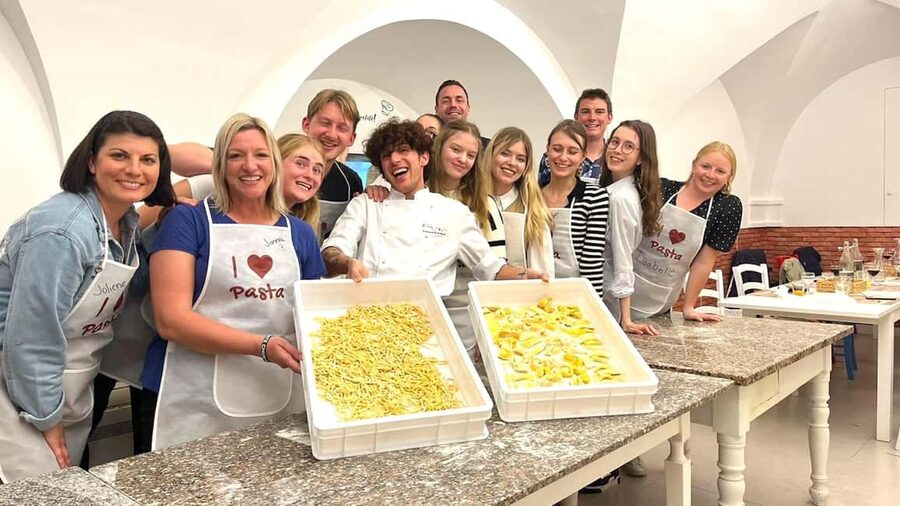
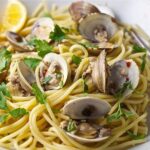
You’ll eat the pasta dishes you prepare, paired with the sauces you learned to make. The price includes that meal, plus the wine tasting.
What’s not included is additional drinks beyond what’s part of the experience. If you’re the type who always wants a second glass or something extra, it’s worth budgeting a bit so you’re not surprised later.
One small note that came up in feedback: the pasta can be al dente, and with fresh pasta, it cools faster than some people expect. That’s not necessarily a flaw—it’s a pasta fact—but it helps you know what to anticipate when it hits the table.
Price and value: is $93 per person actually fair?
At $93 per person for a small-group class, you’re paying for more than “a cooking show.” You’re getting:
- instructor-led pasta teaching (including shaping and cooking)
- sauce training (Pommarola)
- organic Tuscan wine tastings (including Dalle Nostre Mani)
- your own gelato-making session
- a meal (the pasta you prepared)
Is it a bargain compared to buying ingredients and taking a DIY cookbook route? No. But in Venice, where cooking spaces are limited and instruction costs real money, this is the kind of value that makes sense if you want skills—not just souvenirs.
If your goal is to return home with a workable pasta routine (dough consistency, rolling technique, and a tomato sauce you trust), the price starts to look very reasonable.
Who this class fits best (and who should choose differently)
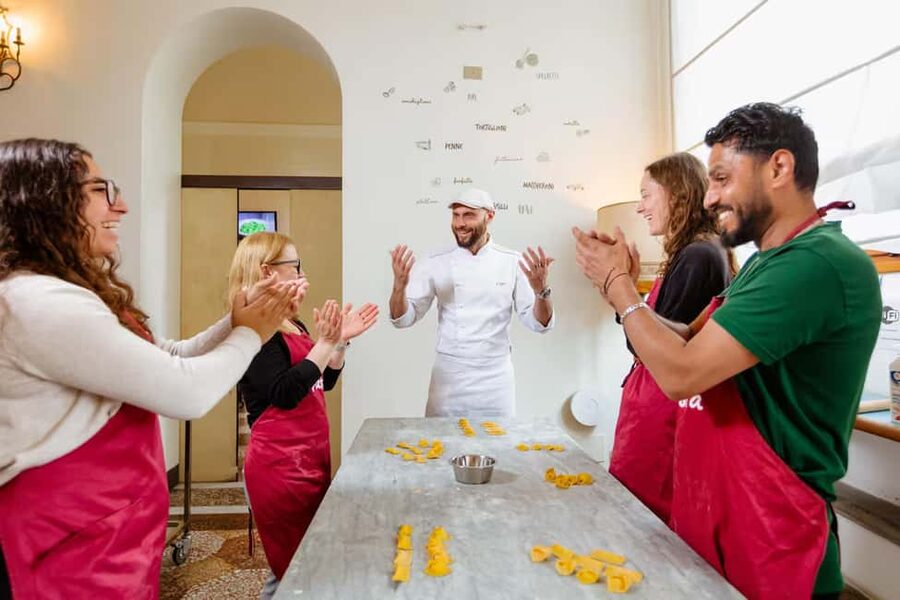
This experience is best for people who want a hands-on night in central Venice with a relaxed, friendly vibe. It’s also a good fit if you enjoy cooking and want clear technique without a lot of jargon.
It’s less ideal if:
- you need accommodations for vegan, gluten-sensitivity, lactose intolerance, or nut allergies
- you want a super elaborate, ingredient-heavy cooking style rather than simpler recipes with careful technique
- you expect a big variety of extra sides beyond what’s part of the meal
Also note the age guidance: it says participants must be at least 8 years old, but it also lists that it’s not suitable for children under 14. If you’re traveling with kids, double-check which rule will apply for your specific dates and group.
Real-world vibe: what makes the best sessions feel memorable
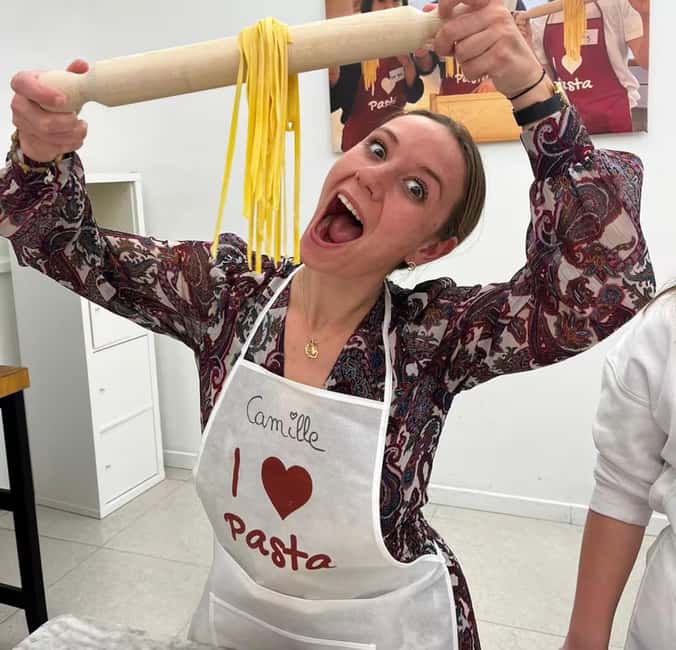
The most consistently praised part isn’t just the food. It’s the teaching style.
People repeatedly describe the hosts—like Alex, Bea/Beatrice, Ottavia, Fio, and Martina—as friendly and patient, with the confidence-building feel of someone showing you how their family cooks. You’ll also find practical takeaways: how to fix common dough issues, how to handle rolling thickness, and how to taste and adjust your sauce.
One nice bonus: instructors often share suggestions for how to spend your remaining Venice time. That’s the kind of local value you can’t easily measure, but it can make the rest of your day better planned.
Should you book this Venice pasta class with wine and gelato?
Book it if you want a compact, small-group evening where you’ll learn fresh pasta technique, eat what you make, sip organic Tuscan wine, and end with gelato you made yourself. It’s a strong choice for couples and small groups, and it’s especially good if you like the idea of bringing home real cooking confidence.
Skip it (or look for a different class) if dietary restrictions apply or if you’re chasing a super adventurous, heavily ingredient-driven cooking style. Here, the magic is in the basics done carefully—and in the warm, human way the class is run.
If your trip includes a lot of sightseeing, this is a nice counterbalance: one evening where you slow down, work with your hands, and leave with a skill you can repeat.
FAQ
Where is the meeting point for the class?
You meet in Campo San Maurizio, by the main flagpole with the orange/red flag. The instructor will be recognizable by a colorful pinwheel.
How long is the Venice pasta class?
The activity is listed as 3 hours. Start times depend on availability.
Is the class taught in English?
Yes. The instructor is English-speaking.
How many people are in the group?
It’s a small group, limited to 10 participants.
What’s included in the price?
The class includes instructor guidance, all equipment, ingredients for pasta/sauce/gelato, wine tastings, and a meal with the pasta dishes you prepare.
What dietary restrictions does this activity not accommodate?
The class cannot accommodate vegan, gluten-sensitivity, lactose intolerance, or nut allergies. Vegetarian and other diets may be supported if you inform the provider when booking.