REVIEW · SORRENTO
Pasta & Traditional Sorrento Cuisine with Pickup – 100% Hands On
Book on Viator →Operated by Chez Barone Cooking School · Bookable on Viator
A cooking class with views that steal focus. At Villa del Barone in Sorrento, you spend an afternoon and evening with a family-run kitchen school, combining baronial-house vibes, a garden walk, and hands-on cooking of classic Sorrento and Neapolitan dishes.
What I love most is the hands-on setup. You’re not sitting at a distance. You work at stations, learn technique step by step, and end with a full meal you made yourself—often with more food than the menu list suggests. Also, the teaching style matters here: Chef Anna (and her team, including Claudia) tends to bring a warm, organized feel to the chaos, with lots of encouragement and practical guidance.
One thing to consider: the menu is meat-forward by default (including Neapolitan chop and dishes like beef braciole in many versions), and the class also includes limoncello tiramisu. If you avoid alcohol or want a strict vegetarian plan, tell the team ahead so they can adjust in a way that fits you.
In This Review
- Key highlights at a glance
- Villa del Barone: why the setting matters before you cook
- How the afternoon timing works (and why 4:15 pm is smart)
- 100% hands-on cooking: what you actually do in the kitchen
- What you’ll cook at Chez Barone (and what each dish teaches)
- Fried pizza Montanara
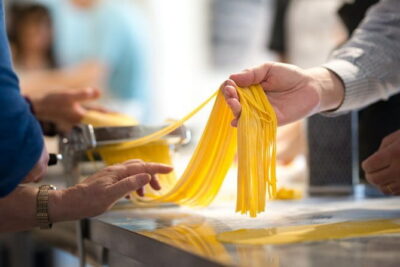
- Fresh pasta ravioli Capresi
- Neapolitan chop (and the “Sorrento chop” clarity)
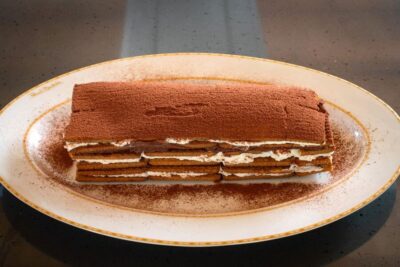
- Limoncello tiramisu
- Seasonal side dishes
- The meal, the wine, and why dinner feels different here
- Dietary needs and how the chefs handle them
- Price and value: what $181.48 buys in real terms
- Who should book this (and who might want a different style)
- Should you book Chez Barone Cooking School?
- FAQ
- Where is the meeting point for the cooking class?
- What time does the experience start?
- How long is the cooking class?
- Is pickup included, and does it end back at the start?
- Is the class offered in English?
- What is the maximum group size?
- What dishes are included in the menu?
- Can the chefs adapt for dietary restrictions?
- What’s the cancellation policy if I change my plans?
Key highlights at a glance

- Villa del Barone panoramas paired with an outdoor/terrace cooking experience
- 100% hands-on cooking with guided stations and lots of participation
- Chef Anna + Claudia teaching style that keeps groups working smoothly
- A menu built around Sorrento and Neapolitan classics, including pasta, fried pizza, and tiramisu
- Small group feel (maximum 18; many classes run around 10–15)
- Wine with the courses, often described as generous
Villa del Barone: why the setting matters before you cook
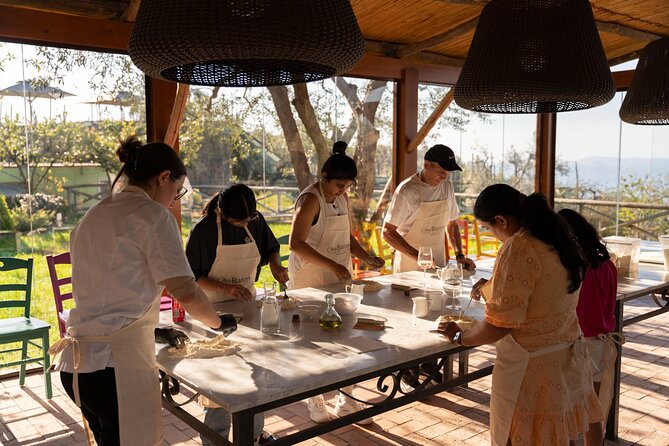
This is one of those Sorrento activities where the location is not scenery you pass by. You start with the reason the Villa del Barone is famous: breath-catching views over the coast, plus the feeling that you’re visiting a real home base rather than a commercial kitchen. You’ll get time to enjoy the panoramas, then you’ll take a walk through the vegetable garden—exactly the kind of detail that makes the ingredients feel less like theory and more like something you can connect to what ends up on your plate.
The vibe is “family tradition meets cooking school.” The villa has a baronial-house history, and the whole experience leans into cultural routines and gastronomy as heritage, not just recipes. That matters because the class doesn’t only teach technique. It gives context: why certain ingredients show up in Sorrento cooking, why the flavors work together, and how limoncello and lemon-based traditions fit naturally into the region’s palate.
Practical note: because part of this experience includes an outdoor garden and terrace spaces, plan on comfortable walking shoes. Even if the path is easy, you’ll feel better in footwear you can move in.
You can also read our reviews of more tours and experiences in Sorrento.


How the afternoon timing works (and why 4:15 pm is smart)
The start time is 4:15 pm, and the experience runs about 4 hours. For many people, that’s a sweet spot in Sorrento: you’re past the busiest daytime hours, but you still get enough daylight (and then evening) to enjoy the setting. Ending back at the meeting point keeps things simple at the end of the night.
A pickup is part of the package (and it’s also mentioned as a strong point in feedback). You meet at Piazza Giovanni Battista de Curtis and the activity returns to that same meeting spot. That rhythm is good if you don’t want to spend your limited time figuring out taxis, parking, or bus routes.
If you’re planning other sights that same day, treat this as the anchor activity. You’ll likely want a lighter lunch, since the class includes a full meal afterward and often includes wine with courses. It’s much easier to enjoy cooking when you’re not starting hungry and frantic.
100% hands-on cooking: what you actually do in the kitchen
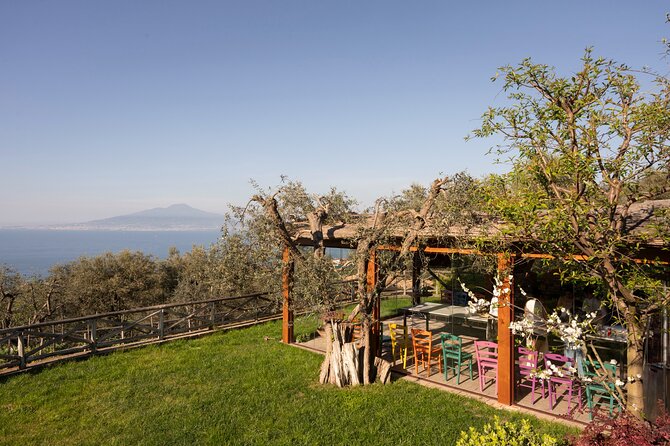
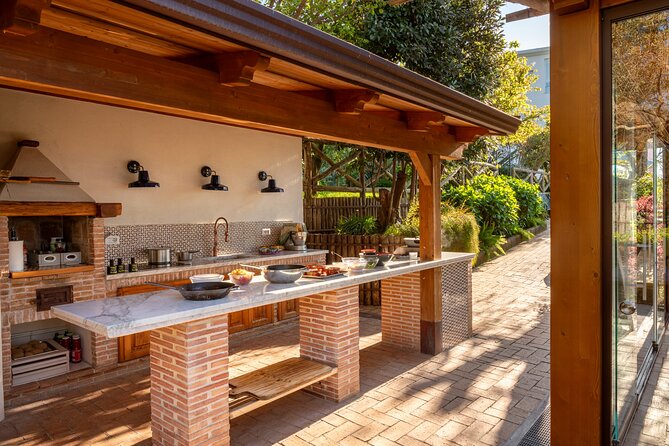
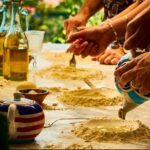
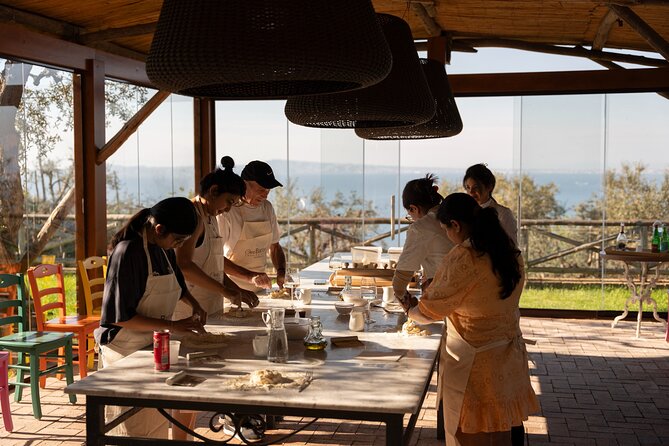
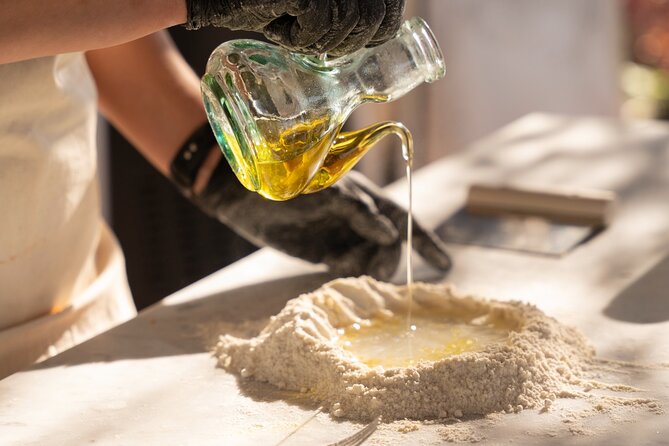
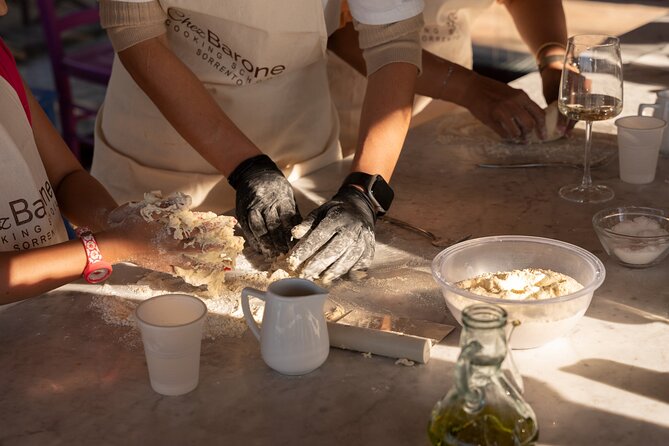
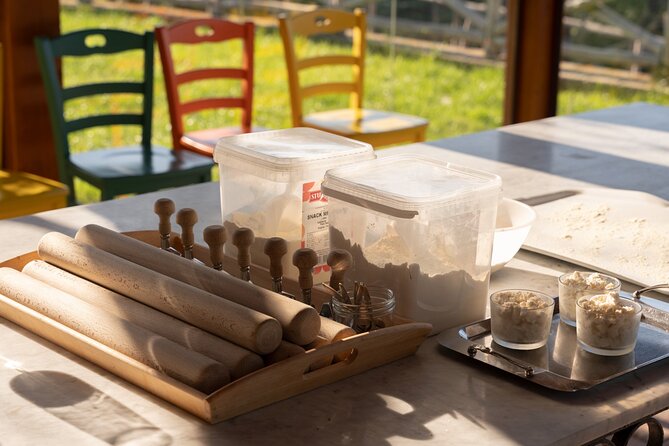
The headline here is 100% hands-on. In practice, that means you’ll do the prep and the key steps, not just watch someone else assemble everything. The kitchen setup is designed for real participation: working stations, clear instruction, and enough space that a group can move without stepping on each other.
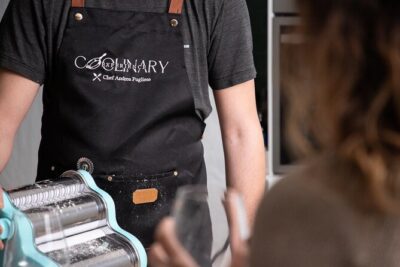
Chef Anna is the name that comes up again and again. The teaching style described in feedback is patient and organized, with lots of practical tips. You’ll get technique guidance as you work, and you’ll also hear the small decisions that make Italian cooking taste like itself: ingredient choices, timing, and how to adjust as you go.
One small detail that shows how well this runs: when people joined as a smaller group (like 7) or as a group in the 10–15 range, instruction quality stayed high. That’s a sign the class is built for real teaching, not just “group herding.” If you like cooking classes where everyone has a role and the chef remembers your name, you’ll probably appreciate that.
Expect to be assigned tasks—mixing, filling, shaping, frying, assembling, and finishing—so the work feels like a team effort. When people describe it as fun, it’s usually because you finish feeling accomplished, not because it’s a casual slideshow.
What you’ll cook at Chez Barone (and what each dish teaches)
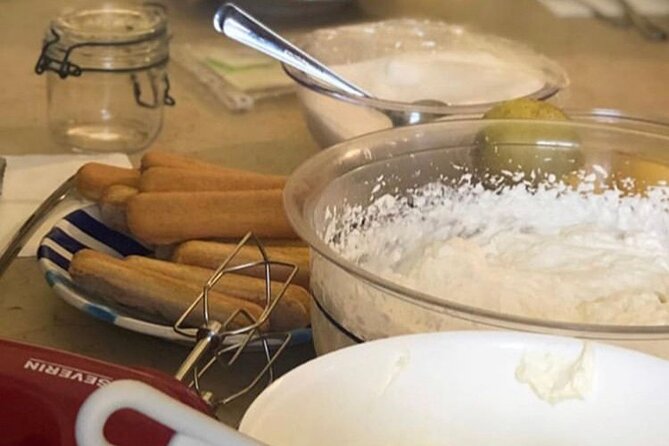
The sample menu includes a mix of pasta, fried pizza, a main meat course, seasonal side dishes, and a lemon-forward dessert. Here’s how to think about the dishes and what you’ll likely take home from the experience.
Fried pizza Montanara
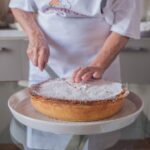
Montanara is all about texture and timing—working dough correctly, getting the right fry surface, and building toppings so they don’t fall apart. Even if you’re new to cooking, this is a great dish to learn because you can clearly see when something is going right: bubbles, browning, crisp edges.


Fresh pasta ravioli Capresi
Ravioli is where technique becomes confidence. You’re not only making something delicious; you’re learning structure—how to portion filling, seal properly, and cook without ruining the shape. Capresi-style flavors also connect pasta-making to the broader Sorrento/Amalfi flavor world: tomatoes, mozzarella, and the lemon-herb rhythm that fits the region.
If you want a skill you can recreate later, ravioli is a strong choice. You’ll remember the feel of the dough and the sealing motion long after you leave Sorrento.
Neapolitan chop (and the “Sorrento chop” clarity)
The menu lists Neapolitan chop and also references Sorrento chop in feedback. One note from feedback that matters: the term Sorrento chop may not match the assumption some people bring (it’s not necessarily a simple pork chop situation). It’s still part of the class’s meat-course learning, but if you’re sensitive to specific proteins, ask the team what your version includes. They do adapt menus, and they’ll want you comfortable with the ingredients.
Limoncello tiramisu
This dessert brings the Sorrento signature into your final course. Limoncello tiramisu is sweet, creamy, and lemony, but it also teaches assembly logic: layering and soaking balance so the dessert sets without turning soggy.
If you dislike alcohol in desserts, you may want to mention it early. The class description includes limoncello in the menu, and while the team can sometimes adjust for dietary needs, you should confirm what will be in your specific plate.
Seasonal side dishes
You’ll also see seasonal sides appear as part of the meal. That’s practical value: it shows you how locals treat side dishes as part of the whole plate, not a random add-on.
The meal, the wine, and why dinner feels different here
After you cook, you eat what you made—together. This is the moment where the class stops feeling like a lesson and starts feeling like dinner with purpose.
Wine is a frequent highlight in feedback. People describe it as plenty, sometimes even unlimited, paired with courses. The practical reason that matters: it slows the night down. Conversations happen at the table. You taste and compare while your memory of the steps is still fresh.
Also, the class environment is designed for group participation. Feedback notes a comfortable large marble table setup at times, and a steady pace that keeps everyone involved. That matters for bigger groups too: no one should feel like they’re waiting too long or falling behind.
And yes—you do get something to take home. Recipe books are mentioned, and at least many participants also received cooking certificates. That’s not just a souvenir. It’s a reminder that you can cook these dishes again, with guidance you can reference later.
Dietary needs and how the chefs handle them
This is one of the best classes for people who want to cook but have restrictions. Feedback includes mentions that the chefs take dietary restrictions seriously and adapt menus so participants feel comfortable with ingredients.
That said, you still should communicate clearly. If you have allergies, avoid specific proteins, or need a vegetarian plan, tell them when booking or as early as possible. With a menu that can include meat courses by default and limoncello in dessert, it’s better to confirm your exact adaptation.
If you prefer a class where you can trust the team to guide you through ingredient choices, this one is set up for that.
Price and value: what $181.48 buys in real terms
At $181.48 per person for roughly four hours, the price might look steep at first glance—until you count what’s included.
You’re paying for:
- instruction by named chefs (Chef Anna is the frequent lead)
- hands-on cooking instruction at stations (not just a tasting)
- multiple dishes worth of work, including pasta, fried pizza, a main course, and dessert
- a full meal at the end, made by your group
- and wine with the meal, described as generous in feedback
In other words, this isn’t a quick “look and snack” activity. It’s closer to a meal you learn how to reproduce, in a setting you can’t easily recreate at home. The villa views and garden walk are part of the value too—they’re not a short photo stop.
Small group feel helps the value. With a maximum of 18 travelers, you’re unlikely to get that awkward “too crowded to learn” feeling that happens at some larger cooking experiences.
Who should book this (and who might want a different style)
This class fits best if you:
- want a true cooking lesson you can repeat at home
- care about regional flavors from Sorrento and Naples
- like eating what you made, with wine and conversation after
- prefer a small-group environment with guided participation
It’s also a great match for a date night or a group of friends who want a shared activity that doesn’t feel like a standard tour. Feedback includes people doing it as couples, groups of friends, and even family-style vacation moments with teens included.
Who might rethink it:
- if you need a highly plant-based menu with no dairy or alcohol, confirm your plan first
- if you’re very sensitive to specific meats or to limoncello, message the team about ingredients before you go
- if you want a short morning activity instead of a 4-hour afternoon-to-evening slot, this timing may not match your day plan
Should you book Chez Barone Cooking School?
If you’re deciding between another sightseeing plan and this class, I’d lean toward booking if you want one of your Sorrento memories to be practical: skills plus a meal. The combination of Villa del Barone views, vegetable garden time, and hands-on cooking makes the experience feel complete rather than rushed.
I also like that the teaching names show up clearly—Chef Anna and Claudia are repeatedly mentioned for keeping the class friendly and moving. Add the recipe book and the chance to adapt to dietary needs, and the overall value starts making sense.
Book it if you want a memorable cooking night with real participation. If you’re picky about meat, alcohol, or dessert ingredients, still book—but confirm your exact menu adaptation early so the only surprise you get is how good your ravioli tastes.
FAQ
Where is the meeting point for the cooking class?
You’ll meet at Piazza Giovanni Battista de Curtis, 80067 Sorrento NA, Italy.
What time does the experience start?
The start time is 4:15 pm.
How long is the cooking class?
The duration is approximately 4 hours.
Is pickup included, and does it end back at the start?
The experience includes pickup, and it ends back at the meeting point.
Is the class offered in English?
Yes. The tour/activity is offered in English.
What is the maximum group size?
There is a maximum of 18 travelers.
What dishes are included in the menu?
The sample menu includes fried pizza Montanara, fresh pasta ravioli Capresi, Neapolitan chop, seasonal side dishes, limoncello tiramisu, and limoncello liqueur.
Can the chefs adapt for dietary restrictions?
Yes. Feedback includes that the chef makes adjustments for dietary restrictions and works to accommodate participants with different needs.
What’s the cancellation policy if I change my plans?
Free cancellation is available. You can cancel up to 24 hours in advance for a full refund; if you cancel less than 24 hours before the start time, you won’t get a refund. The experience can also be canceled if a minimum number of travelers isn’t met, with an alternative date/experience or a full refund.