REVIEW · SORRENTO
Cesarine: Small group Pasta Class at Local’s Home in Sorrento
Book on Viator →Bookable on Viator
Pasta tastes different when your hands make it. In Sorrento, this small-group class teaches you southern Italian pasta skills in a real local kitchen, then wraps it up with a meal and regional wines. You’ll learn the “how” behind three authentic regional recipes from a Cesarina, the Italian home-cook network that brings culinary tradition straight into her home.
What I like most is the structure: you don’t just watch. You make three types of pasta with help throughout, then you eat what you made with wine from regional cellars. Another strong point is the way the hosts build comfort and connection, with families sometimes pitching in as you learn the rhythms of the dough and sauces.
One thing to consider: this is scheduled to run from a specific home address that gets shared after booking, so you’ll want to plan your timing and navigation around that, especially if you’re juggling trains, buses, or ferry schedules.
In This Review
- Key things to know before you go
- Meeting Your Cesarina in a Sorrento Home
- The 3-Hour Lesson Plan: How the Pasta Skills Fit Together
- What makes the teaching style work
- What You Eat After Class: Celebratory Meal and Wine Pairing
- Small Group Size (Up to 8): Why It Changes Everything
- Price and Value: Is $207.21 Worth It?
- Timing, Getting There, and What to Expect at Arrival
- What to bring
- Dietary Needs: What’s Supported and What You Should Ask
- Souvenirs and the Post-Class Payoff
- Should You Book This Sorrento Pasta Class?
- FAQ
- How long is the pasta class?
- Is this a small group experience?
- When does the class run?
- What will I cook during the lesson?
- Do we eat what we make?
- Is wine included?
- Where does the class start and end?
- How do I get the exact address?
- Can you accommodate gluten-free needs?
- What if I need to cancel?
Key things to know before you go
- Max 8 people keeps the class hands-on and easier to ask questions
- Three pasta recipes means you leave with more than one trick
- Wine from the territory is paired with what you cook, not tacked on later
- Cesarina network brings a trained home cook experience, not a big studio class
- Apron and shopping bag are included so you can keep the memory and cook again
Meeting Your Cesarina in a Sorrento Home
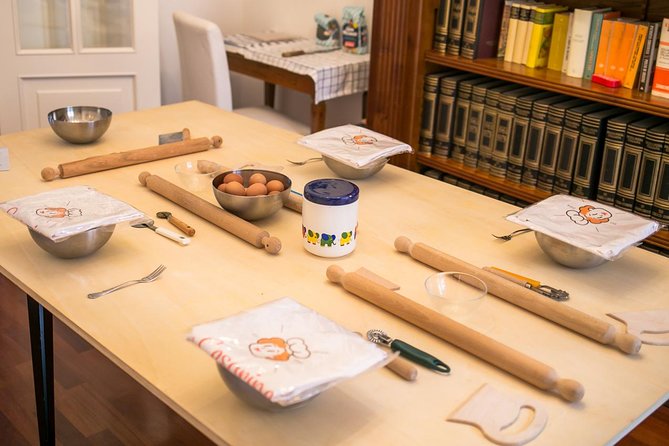
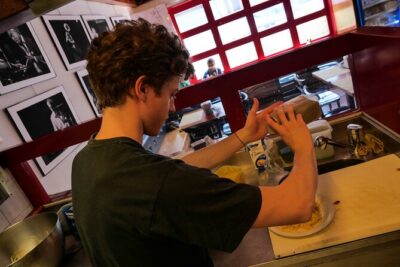
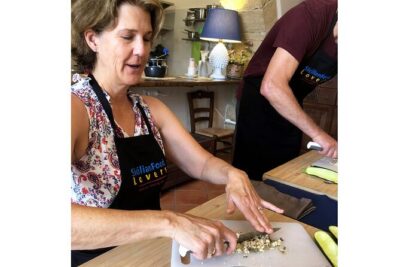
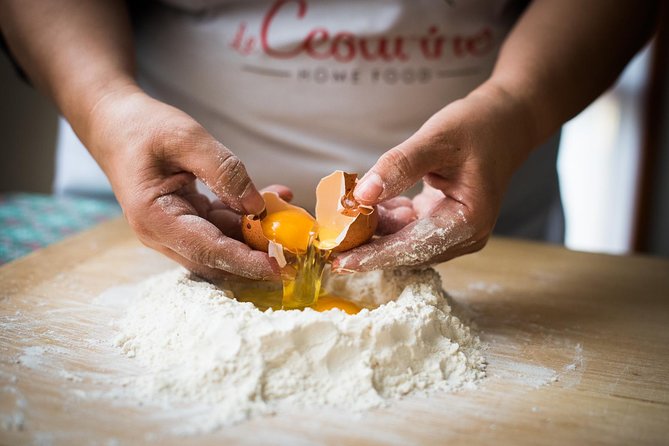
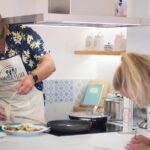
This class starts the moment you arrive at a local home in Sorrento, where your teacher is a Cesarina—a home cook who hosts in her own kitchen. That difference matters. In a restaurant, you’re a spectator. Here, you’re part of the work: flour on your fingers, sauce on the spoon, and the chance to ask why something should look a certain way.
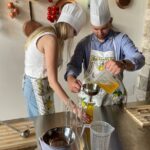
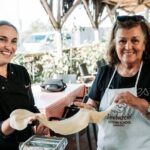
Because it’s in a private home, you’ll get a more personal feel fast. The hosts you may meet can be very family-centered. In one example, the teacher and her son handled the teaching together, and it felt welcoming and warm. In another, an Alessandra-led setup included family help, with clear, kind instruction that made the kitchen feel shared, not intimidating.
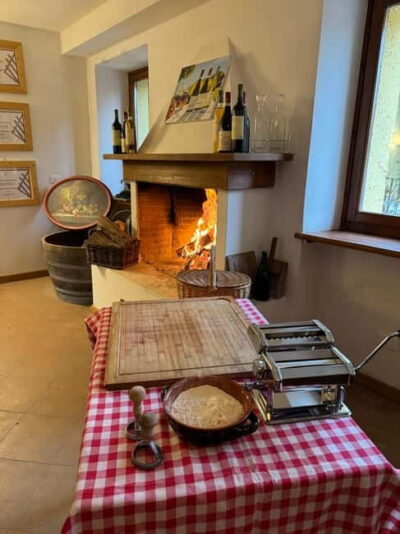
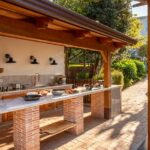
You’ll also likely spend time in the home environment, not just a corner with a cutting board. Some hosts use the setting to show you how they stock their kitchen for regional cooking, and that’s the kind of context that helps when you try to recreate the dishes later.
You can also read our reviews of more tours and experiences in Sorrento.


The 3-Hour Lesson Plan: How the Pasta Skills Fit Together
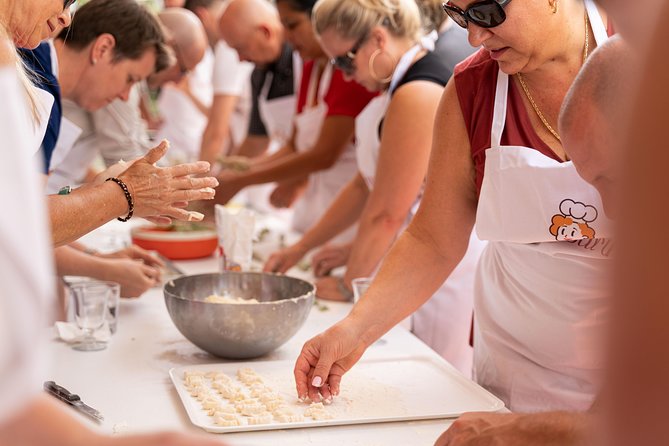
The experience runs about 3 hours, usually in the morning or afternoon. That timing is long enough to take dough seriously—rest, roll, cut, cook, and finish—without turning it into a rushed assembly line.
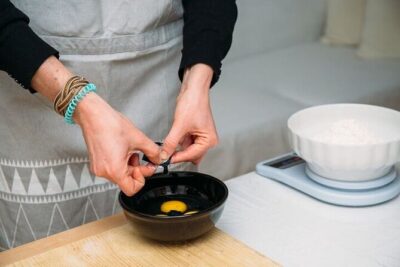
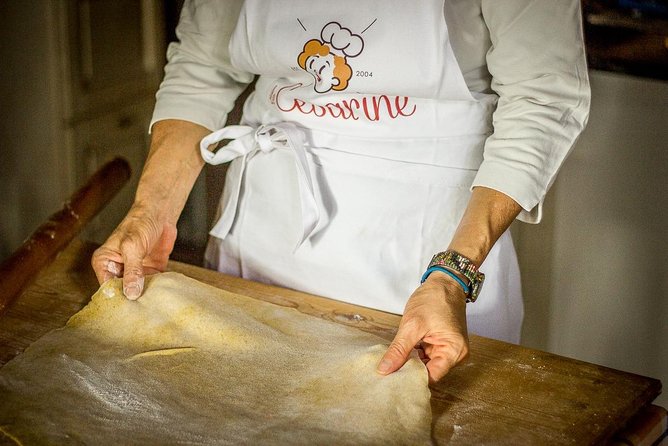
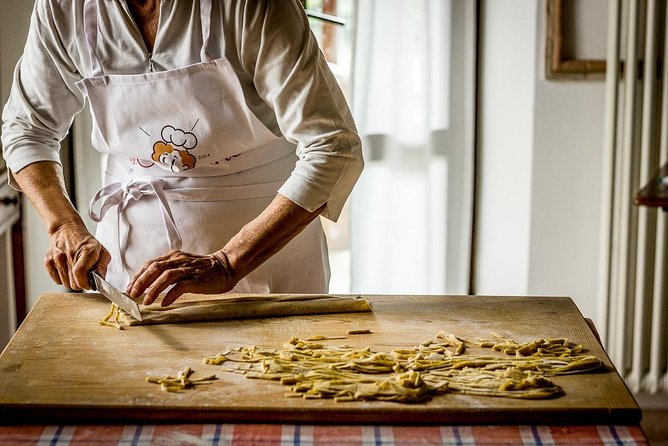
Your Cesarina guides you through three different regional pasta recipes. While the exact types aren’t listed in the basic info, the promise is consistent: you’ll work with classic Sorrento-area flavors and techniques, not generic Italian pasta. Expect a mix of hands-on tasks, like shaping and cutting, plus steps that need attention while cooking (timing, texture, and how sauce clings).
Here’s how this kind of lesson typically clicks for you as a home cook:
- First pasta: You build confidence and learn the core technique—how dough should feel, how to portion, and what “done” looks like.
- Second pasta: You refine. The teacher corrects small things quickly because the group is small (up to 8).
- Third pasta: You connect the dots. You see how the sauce and pasta work together, then you start tasting the differences you create.
I like this sequence because it keeps you from leaving with only a single workable recipe. Even if you’re not planning to make all three at home, you’ll carry technique and decision-making skills with you: texture, thickness, timing, and finishing.
What makes the teaching style work
A home cook can explain in a way you won’t get from a cookbook alone. You’re learning the practical “why,” like how a certain pasta shape affects sauce cling, or how to recognize proper cooking before it turns soft. That’s where the Cesarina approach shines: it’s culinary tradition taught in plain language, in a lived-in kitchen.
And because the group is small, you’re not stuck waiting your turn. If you’ve ever tried to learn pasta with too many people, you know how frustrating it can be. Here, you get real hands-on help.
What You Eat After Class: Celebratory Meal and Wine Pairing
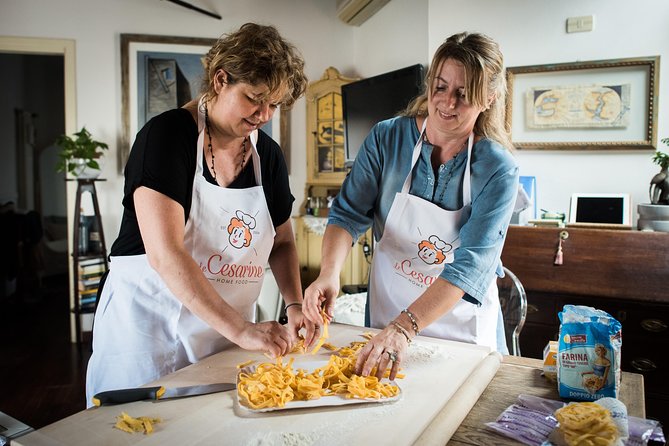
After the pasta-making portion, you don’t just do a tasting bite. You eat your creations as a celebratory meal, paired with a selection of red and white wines. The key detail is that the wines come from regional cellars, so the pairing supports local flavors rather than using whatever is easiest to pour.
This part of the experience is more than food. It’s the feedback loop. You finally taste what you built, and the flavors make sense because you watched every step up close. If you got a texture or timing slightly off, you’ll notice immediately. If it went perfectly, you’ll understand what to repeat next time.
The experience also includes local snacks or food elements around the meal flow (depending on timing), which helps keep energy up while you work and cook. The overall vibe is social without being chaotic, the sort of evening-in-a-home feeling you can’t easily replicate on your own.
Small Group Size (Up to 8): Why It Changes Everything
This is a small-group class with a maximum of 8 people. That number may not sound meaningful until you’re in it.
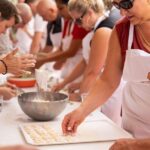
With a larger group, you often spend the whole time waiting for the next step. With this size, your teacher can correct you in real time and keep pace with your group’s progress. You’re also more likely to get personal answers instead of generic explanations.
That matters most for pasta, because small changes can show up quickly: thickness, handling, cooking time, and finishing steps. When your teacher can watch what you’re doing, you stop guessing.
It also makes the experience feel comfortable. Reviews for similar sessions often highlight the warmth of the hosts and the feeling of being welcomed in their homes, not shoved through a production. In one example, a Martina-led class included help from her mom and grandma, which made the kitchen feel like family work—education with warmth.
Price and Value: Is $207.21 Worth It?
At $207.21 per person, this class isn’t a bargain in the budget sense. But it’s also not “just” a cooking demo.
You’re paying for:
- A home setting with a Cesarina and family-style teaching
- Hands-on instruction as you make three regional pastas
- A meal that includes what you cook
- Wine from regional cellars
- A souvenir apron and shopping bag
When you put it together, the value is in the full package. Many cooking classes charge similarly for a single pasta or a lighter tasting. Here, you’re getting multiple recipes plus an eat-what-you-made finale with wine. That’s the sort of meal experience you’d normally pay for separately—especially in a place like Sorrento where dining can run high.
Also, if you take the skill home seriously, you’re effectively paying to learn techniques you can repeat. The best value isn’t only the food—it’s the ability to make the pasta again with less stress and more confidence.
Timing, Getting There, and What to Expect at Arrival
You’ll find this experience listed with a morning or afternoon option, and it ends back at the meeting point. That end-back detail is helpful because it removes the headache of wondering how you’ll get home after dinner time.
The meeting point is in Sorrento. The exact home address is shared after booking, which is normal for private-home experiences. Practically, I’d plan to arrive with some buffer so you’re not rushing. A class like this runs on kitchen time—late arrivals can throw off flour-dough rest and the flow of cooking.
The tour uses a mobile ticket, so you’ll want your phone charged. It’s also described as near public transportation, which helps if you prefer not to rely on taxis.
What to bring
The information doesn’t spell out specific dress code, but I’d treat it like any hands-on pasta class:
- Wear something you can get a little flour on
- Bring a camera if you like, but focus first on the cooking steps
- Keep your mind open to tasting as you go—this is how you learn
Dietary Needs: What’s Supported and What You Should Ask
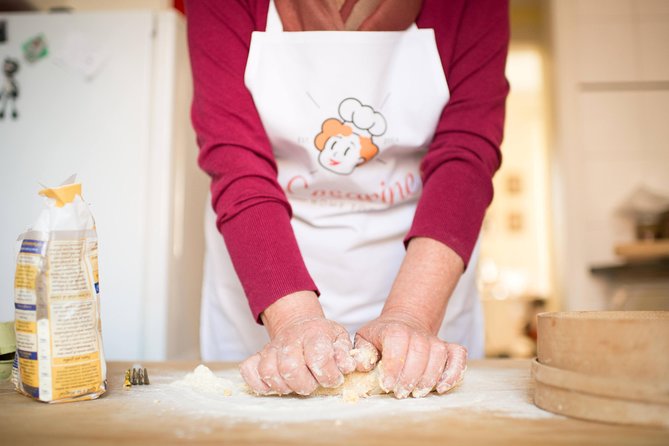
One of the most useful signals from the experience info is that at least one host provided gluten-free ingredients so the process could still be gluten-free. That’s a big deal because gluten-free options are often the first thing cooking classes can’t handle.
Still, since dietary support can vary from one Cesarina to another, don’t assume it’s guaranteed for every home. If you need gluten-free or other restrictions, ask early and clearly during booking or via the operator’s messaging.
I also recommend you mention what you need in plain terms. Instead of just saying gluten-free, tell them whether you need it fully gluten-free or you’re avoiding wheat for comfort reasons. That helps the kitchen prepare correctly.
Souvenirs and the Post-Class Payoff
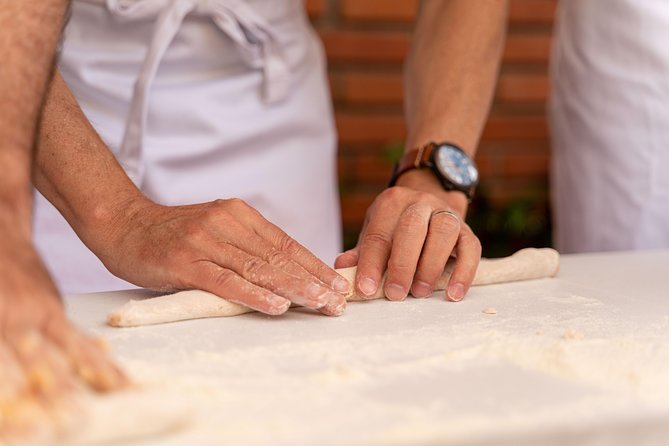
You don’t walk away empty-handed. This experience includes an apron and shopping bag. That sounds like a small detail, but it’s actually part of the value because it turns the class into something physical you can use.
The bigger payoff is mental:
- You learn how to form and handle dough
- You understand how sauce and pasta should match
- You leave with the confidence that you can recreate the dishes later
And because the wines are local and paired with your meal, the taste memories tend to stick longer. It’s not just a one-off dinner—it’s a sequence you built yourself.
Should You Book This Sorrento Pasta Class?
I’d book it if you want an Italy experience that’s less about a landmark photo and more about food craft in a real home. This is for you if you like hands-on learning, small groups, and meals that feel like a celebration rather than a ticketed show.
Skip it if you’re looking for a low-cost class or you only want one pasta recipe. At three hours and at this price point, it’s meant to be a complete experience: cooking, tasting, and wine at the end.
If you’re still deciding, here’s the practical way to choose:
- If you plan to cook pasta after your trip, this is a skill-builder.
- If you just want to eat well, consider whether you’d rather spend that money on a top Sorrento restaurant meal.
- If you have dietary needs, ask about gluten-free or other adaptations before you confirm.
FAQ
How long is the pasta class?
The class is about 3 hours.
Is this a small group experience?
Yes. The group size is capped at a maximum of 8 people.
When does the class run?
You can take the class in the morning or in the afternoon.
What will I cook during the lesson?
You’ll learn to prepare three types of authentic regional pasta recipes with your Cesarina.
Do we eat what we make?
Yes. You taste the pastas you prepare during a celebratory meal after the class.
Is wine included?
Yes. You’ll enjoy a selection of red and white wines from regional cellars paired with the experience.
Where does the class start and end?
The experience starts in Sorrento and ends back at the same meeting point.
How do I get the exact address?
You receive the exact home address once the booking is completed.
Can you accommodate gluten-free needs?
One host experience in the information says gluten-free ingredients were provided so the dishes could be made gluten-free. You should still ask in advance to confirm what your Cesarina can support.
What if I need to cancel?
You can cancel for a full refund up to 24 hours before the experience’s start time.