REVIEW · SORRENTO
Pasta Class in Sorrento
Book on Viator →Operated by Nonna Flora - Sorrento Cooking School · Bookable on Viator
Fresh pasta is a lot easier when someone shows you.
In Sorrento, Nonna Flora (the Sorrento Family Kitchen) turns a normal meal into a hands-on day: you’ll learn to make classic fresh pasta shapes from scratch and finish with a beloved Italian dessert you can actually repeat at home. The small setting in the historic center keeps things friendly and practical, not stiff or lecture-style.
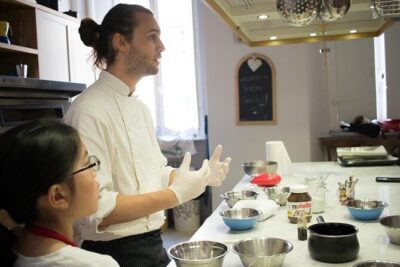
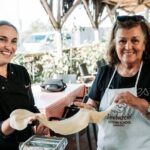
What I especially like is how personal the teaching feels. Anna, the host/instructor, runs the class like you’re visiting family—warm, patient, and clearly passionate—while still keeping the kitchen moving so you get real hands-on time.
One thing to consider is the price point. At $163.33 per person for a roughly 4-hour class that includes a full meal and drinks, it’s a great value if you want the food to come with the lesson—but if you’re trying to stretch your budget, you may prefer a cheaper group food tour.
In This Review
- Quick take: what makes Nonna Flora’s pasta class special
- Nonna Flora in Sorrento: a kitchen you’ll actually want to stay in
- Your 10:30 start and how the 4-hour flow usually works
- Rolling fresh pasta from scratch: the hands-on part you came for
- From pasta shapes to sauces: what you’re really learning
- Tiramisu from scratch: dessert that tastes like it took all day
- Eating in the middle of the class: lunch or dinner with local drinks
- What to bring (and what to skip) so you enjoy the whole experience
- Price and value: is $163.33 worth it?
- Who this pasta class is best for (and who should think twice)
- Should you book Nonna Flora’s pasta class?
- FAQ
- What is the pasta class at Nonna Flora in Sorrento?
- How long does the experience take?
- Where do I meet for the class?
- What’s included in the menu?
- Does the class include drinks?
- Is there a refund if my plans change?
Quick take: what makes Nonna Flora’s pasta class special
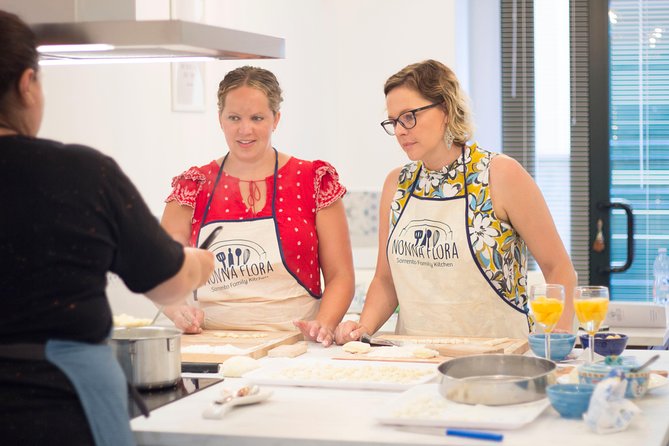
- Small group (max 10): more hands-on time, less standing around.
- From-scratch pasta-making: you learn technique for classic shapes and traditional local sauces.
- 3 courses, not a snack: pasta course, main course, and tiramisu.
- You eat what you make: lunch or dinner is paired with local wine, craft beer, and limoncello.
- Grandmother-level recipes: Anna teaches methods tied to family traditions (passed down from her nonna and mama).
- Clean, well-run kitchen: multiple guests point out how spotless and well organized it feels.
Nonna Flora in Sorrento: a kitchen you’ll actually want to stay in
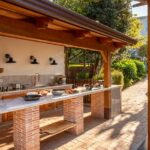
Nonna Flora is a cookery school right in Sorrento’s historic center, housed in a “come in, put on your apron, and get cooking” kind of space. The vibe matters here. When a kitchen feels welcoming and spotless, you’re not nervous about messing up dough or sauce, and you’re more willing to ask questions.
The class is also intentionally small, capped at 10 people. That’s not a random detail. It changes the whole experience because the instructor can correct your rolling thickness, show you how to handle the pasta with less stress, and keep you moving through each step at a good pace.
Language is another practical win. The class is offered in English, so you’re not relying on guesswork while trying to learn the difference between dough that’s ready and dough that needs more kneading.
You can also read our reviews of more tours and experiences in Sorrento.

Your 10:30 start and how the 4-hour flow usually works
The class starts at 10:30 am at Nonna Flora – Sorrento Family Kitchen, Via S. Nicola, 42. The experience ends back at the meeting point, so you don’t end up scrambling across town afterward with a bag full of recipe notes and food-induced confidence.
Expect about 4 hours total. That timing is a sweet spot: long enough to learn meaningful technique, shape multiple types of pasta, and slow down for dessert—but not so long that you feel cooked before lunch.
Plan your day like a food day. One repeat tip from guests: don’t eat a big meal right before you go. You’ll be making three courses and then eating them, plus drinks are part of the experience. If you show up hungry, the whole thing makes more sense.
Rolling fresh pasta from scratch: the hands-on part you came for
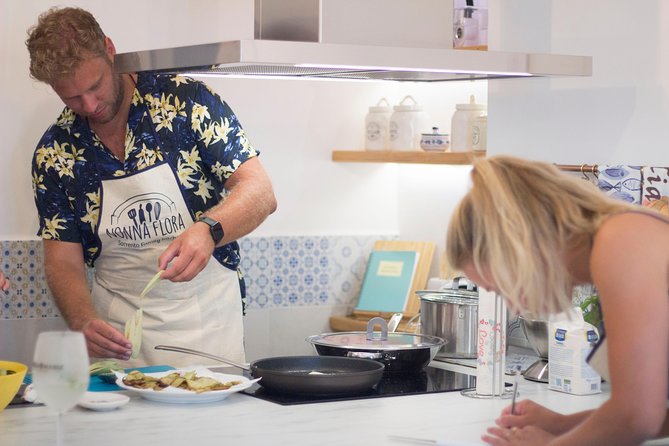
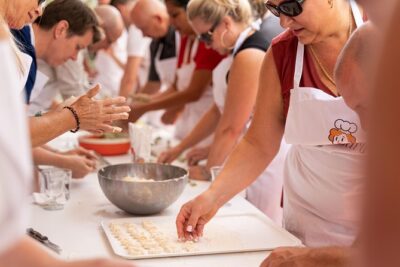
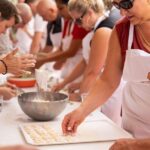
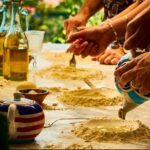
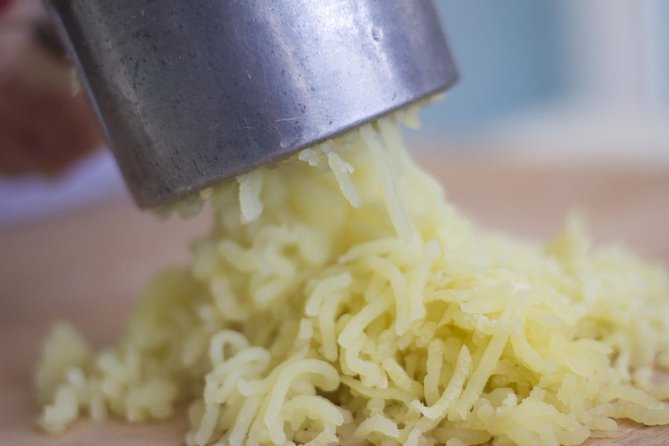
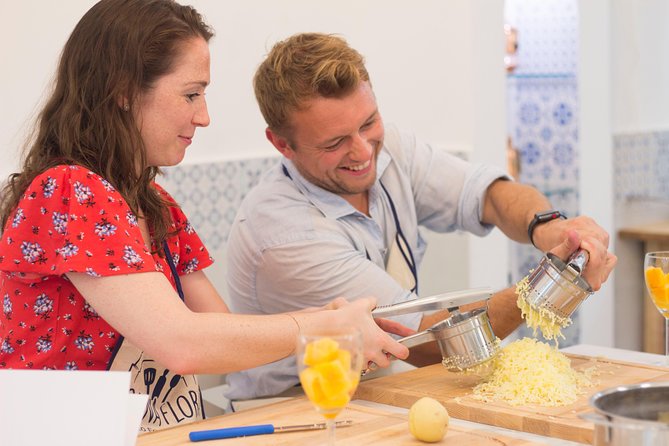
Here’s the heart of the class: making fresh pasta shapes by hand, from scratch, with guidance at each step. This is not a quick demonstration where you watch while someone else works. You’ll be doing the work—mixing, kneading, rolling, and shaping—so you leave with real muscle memory.
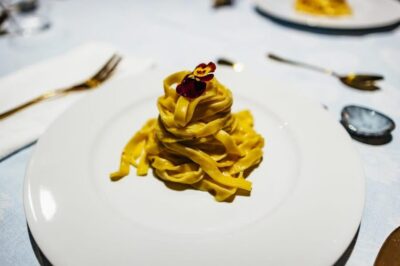
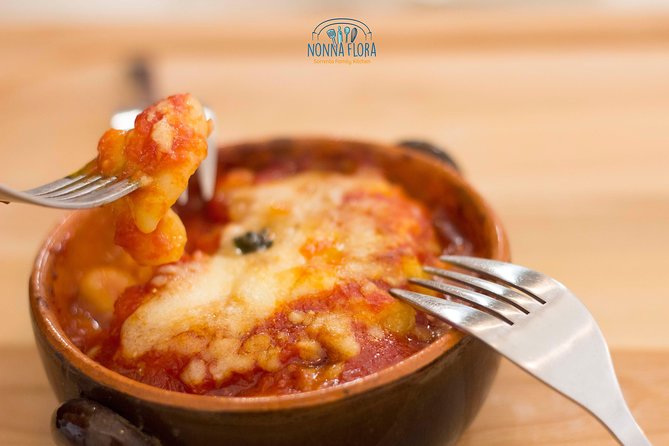
The menu structure centers on a pasta course plus a main course. Typical examples include handmade spaghetti with a red sauce and handmade ravioli with a white sauce. Those two choices are smart for learners: spaghetti helps you understand how thickness and cutting affect cooking, while ravioli forces you to master filling and sealing without tears.
Traditional sauce technique is part of the teaching too. Even when the dishes change slightly session to session, the point stays the same: you learn how to build flavor in a way that fits the pasta you’re making, not a one-size-fits-all “dump sauce on top” approach.
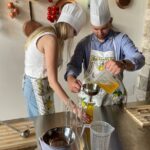
And if you’re worried about skill level, relax. Many guests highlight that Anna is patient and makes time for different cooking comfort levels. Small groups help a lot here—if your dough needs a bit more attention, you’re not lost in the crowd.
From pasta shapes to sauces: what you’re really learning
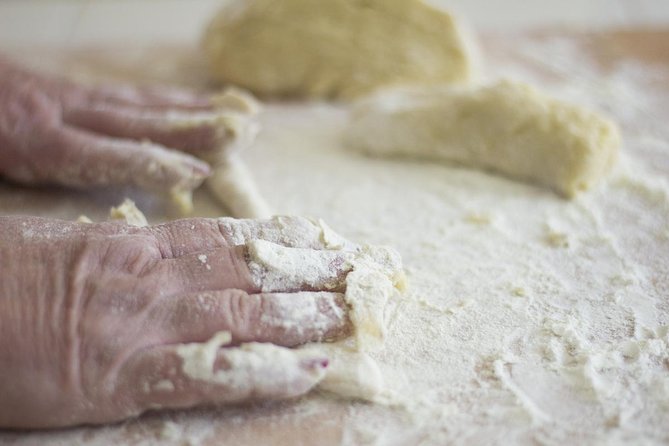
Learning pasta isn’t only about getting the right shape. It’s about learning why certain steps matter. As you work, you’ll pick up the practical “feel” of the dough—when it’s smooth enough, when it’s elastic enough, and how rolling changes how the pasta cooks.
Then you’ll connect that to sauce. The red sauce and white sauce aren’t just side characters. They show how Italian home cooking balances thickness, richness, and cling, so the pasta tastes like a complete dish instead of two separate plates.
What I like about how this class is taught: you’re not just collecting recipes. You’re learning methods you can apply later. That’s what makes it useful once you’re back home and the novelty has worn off.
Tiramisu from scratch: dessert that tastes like it took all day
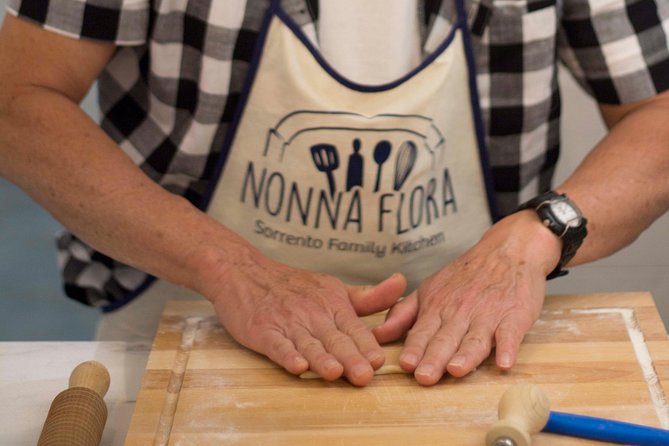
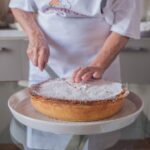
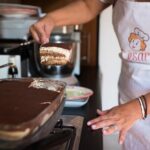
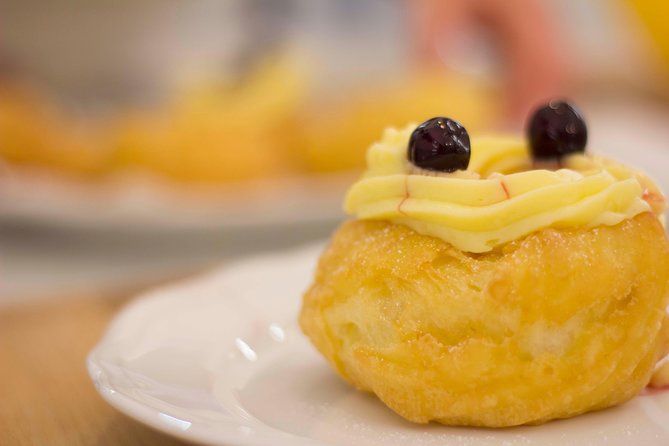
Tiramisu is on the menu for dessert, and that’s a smart closer. It’s iconic, but it can also be easy to get wrong if you’re copying a shortcut. In this class, you’ll make it from scratch, then sit down and eat it as part of the meal.
Dessert is also where the class tends to get extra fun. Several guests mention that there’s a dessert pairing vibe—liqueurs and extra drink options are part of the experience with tiramisu. Whether you’re a wine person or you prefer something sweeter, dessert time is when you really feel the “vacation” part of the day.
The practical takeaway: you’ll learn not only what ingredients go where, but how to assemble it for the right texture. That’s the difference between decent tiramisu and the kind that makes people go back for another forkful.
Eating in the middle of the class: lunch or dinner with local drinks
One of the best value angles here is that you cook and then eat together. You’ll have lunch or dinner served with local wine, craft beer, and limoncello. That turns the class from a cooking lesson into a full meal experience.
Think about what that means for your budget. If you were paying separately for a cooking class and then separately for a nice sit-down meal with drinks, the math usually gets ugly fast. Here, you’re paying for the lesson and the food in one package, and you’re eating what you made instead of hoping the restaurant version matches your expectations.
Also, you’re in a home-style kitchen environment, not a tourist-food factory. Guests repeatedly mention the cleanliness of the studio and the care taken in the setup—clean utensils, clean station, and a smooth “cook, then eat” rhythm.
What to bring (and what to skip) so you enjoy the whole experience
You don’t need to bring cookware or pasta tools. The class is set up for beginners and intermediate cooks alike. What you should bring is mindset and comfort.
- Wear comfortable clothes you don’t mind getting a little flour on.
- If you’re planning to dress up later that day, consider changing after class.
- Don’t show up stuffed. You’ll be making and eating three courses.
One small thing that surprised some guests: aprons are handed out as part of the memory. People mention taking their aprons home, which makes this feel more like an experience you “kept,” not just a one-day ticket.
Price and value: is $163.33 worth it?
At $163.33 per person, this isn’t a bargain class. But it’s also not overpriced for what you get, assuming you want a real cooking skill outcome plus a full meal.
Here’s the value logic I’d use before booking:
- You’re paying for hands-on instruction in English in a kitchen environment.
- You get multiple dishes (pasta course, main course, dessert) made from scratch.
- The meal includes local wine, craft beer, and limoncello.
- The group is small (max 10), which makes instruction more personal.
If you only want a quick taste of Italian food, this may feel pricey. If you want a memorable day and a skill you can recreate—plus a meal that’s included—you’re likely to feel good about the cost.
One more honest note: it’s booked in advance often (on average about 48 days). That’s usually a sign of demand and limited availability, so if this is on your “must do” list, plan ahead.
Who this pasta class is best for (and who should think twice)
This class fits you if you want a genuine, hands-on Italian day in Sorrento. It’s especially good for:
- Couples who want something different from another walking tour
- Families with teens who can handle kitchen time and want real fun
- Food lovers who like learning technique, not only eating
It’s also appealing if you like friendly instruction. Many guests highlight Anna’s energy—warm, welcoming, and patient—and the way she teaches so you don’t feel rushed.
Think twice if:
- You’re extremely budget-sensitive and would rather spend less on food-focused activities.
- You have very specific dietary needs. The information provided doesn’t mention special menus or substitutions, so you’ll want to ask directly before committing.
Should you book Nonna Flora’s pasta class?
If you want one standout Sorrento experience that combines skills + food + a small-group vibe, I’d book this. The class is built around from-scratch pasta-making, a full three-course meal with wine/beer/limoncello, and teaching that feels personal because the kitchen is not crowded.
If you’re unsure, make the decision based on one question: do you want to learn how pasta dough behaves and how to shape it, or do you mainly want to eat somewhere pretty? Choose the lesson if you can. In Sorrento, this is exactly the kind of day that gives you something to remember long after you’ve finished the last bite.
FAQ
What is the pasta class at Nonna Flora in Sorrento?
It’s a hands-on home cooking class at Nonna Flora – Sorrento Cooking School where you prepare fresh pasta and a full meal. The experience includes making three courses (pasta course, main course, and dessert), then eating what you make with included drinks.
How long does the experience take?
The class runs about 4 hours (approx.).
Where do I meet for the class?
You meet at Nonna Flora – Sorrento Family Kitchen, Via S. Nicola, 42, 80067 Sorrento NA, Italy. The experience ends back at the meeting point.
What’s included in the menu?
The sample menu includes handmade spaghetti with red sauce, handmade ravioli with white sauce, and tiramisu for dessert.
Does the class include drinks?
Yes. The lunch or dinner is served with local wine, craft beer, and limoncello.
Is there a refund if my plans change?
Free cancellation is available. You can cancel up to 24 hours in advance for a full refund; cancellations made less than 24 hours before the start time aren’t refunded.