REVIEW · VENICE
Venice: Pasta and Tiramisu Cooking Class with Wine
Book on GetYourGuide →Operated by The Roman Food Tour · Bookable on GetYourGuide
Fresh pasta and tiramisu turn Venice into a kitchen. I love the hands-on skills for fresh fettuccine and ravioli, and I love how the class ends as a real meal at your table with wine. One drawback to plan for: the instruction follows a traditional recipe with gluten, dairy, and eggs, and they can’t guarantee zero cross-contamination.
This is a 3-hour, English-language cooking class in the Dorsoduro area, rated 4.9 by 1,010 reviewers. You’ll learn, you’ll taste what you make, and you’ll leave with a better feel for how Italians build flavor (not just a list of recipes).
In This Review
- Key things that make this Venice cooking class work
- Why Dorsoduro is the right neighborhood for a food-focused break
- The 3-hour flow: pasta-making lessons that end in a proper meal
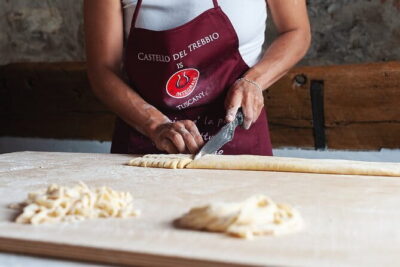
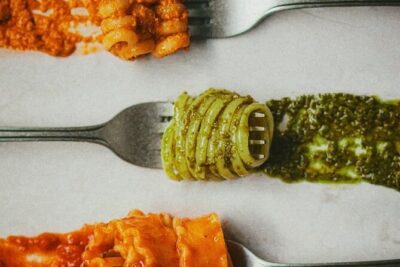
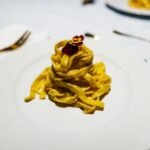
- Fresh pasta: fettuccine and ravioli without the intimidation factor
- Tiramisu technique: the steps that separate ok from great
- The table meal: wine, limoncello, coffee, and real conversation
- Dietary needs: what’s supported, what isn’t, and how to handle allergies safely
- What the reviews reveal about the hosts (and why that matters)
- Value at $78: what you’re really getting for your money
- Who this pasta and tiramisu class is best for
- Should you book this cooking class in Venice?
- FAQ
- How long is the Venice pasta and tiramisu cooking class?
- Where does the class take place in Venice?
- What dishes will I learn to make?
- Is wine included?
- Is the class taught in English?
- Are dietary options available?
- Are there limits for young children?
Key things that make this Venice cooking class work
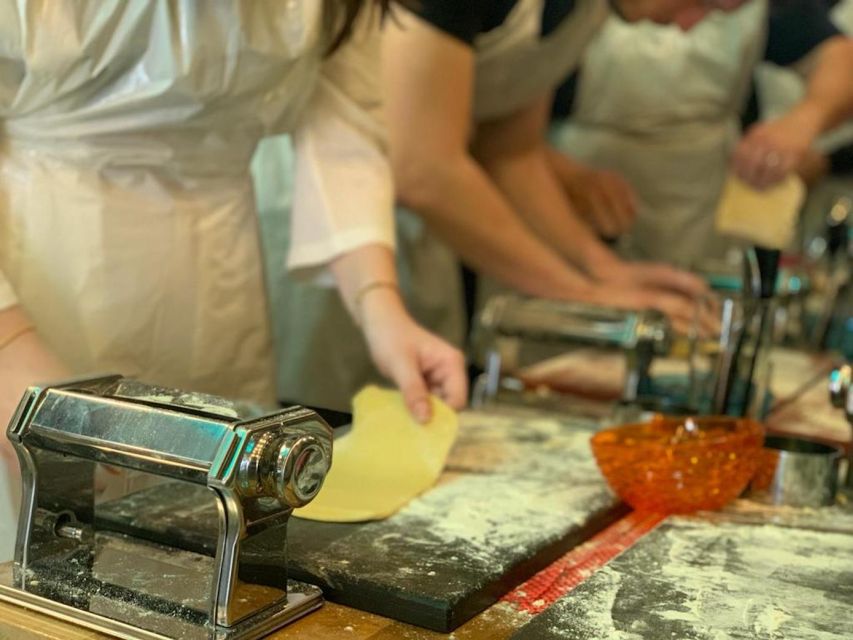
- Hands-on pasta time: you’ll learn fresh fettuccine and ravioli techniques, then eat what you produce.
- Tiramisu with guided technique: the host shares the steps they use for a good result, not vague instructions.
- Free-flowing wine plus limoncello and coffee: dinner and dessert come as part of the experience, not an add-on.
- English guide who talks while you cook: plenty of Q&A as you work through the dishes.
- You connect with your table group: the meal portion is built for conversation and meeting people.
- Optional stroll after class: you can stay in the restaurant or head out to explore nearby Dorsoduro streets.
Why Dorsoduro is the right neighborhood for a food-focused break
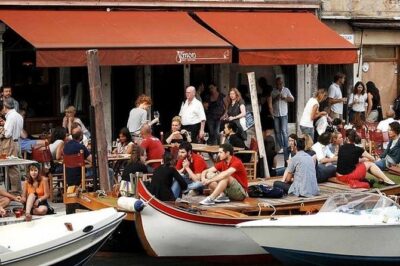
If Venice has you worn out from churches and museum lines, this kind of activity is a smart pivot. The class takes place in the Dorsoduro area, which is a nice change of pace from the busiest central lanes. Instead of racing from landmark to landmark, you get to slow down in one place.
Also, Dorsoduro is ideal for this format because it’s easy to extend the evening afterward. You finish the meal, then you can simply step outside and wander the streets at your own speed. No complicated route planning required—just keep walking and enjoy being among locals and day-to-night visitors.
You can also read our reviews of more tours and experiences in Venice.

The 3-hour flow: pasta-making lessons that end in a proper meal

Think of the experience as one continuous rhythm: cook, taste, eat together. The class lasts about 3 hours, and it’s structured so you’re not just watching someone else work.
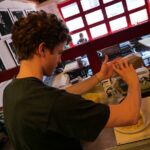
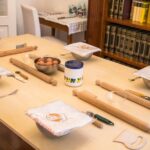
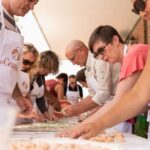
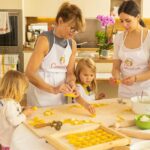
You start in the restaurant kitchen area, then roll up your sleeves and follow your host’s guidance. The big focus is learning how to make fresh pasta—specifically fettuccine and ravioli—plus mastering a tiramisu dessert.
By the end, the structure turns practical: you sit down and feast on what you prepared. Wine is part of that final sit-down, and they also include limoncello and coffee. In other words, you’re not leaving hungry with a folder of notes—you’re getting a full, satisfying outcome.
Fresh pasta: fettuccine and ravioli without the intimidation factor
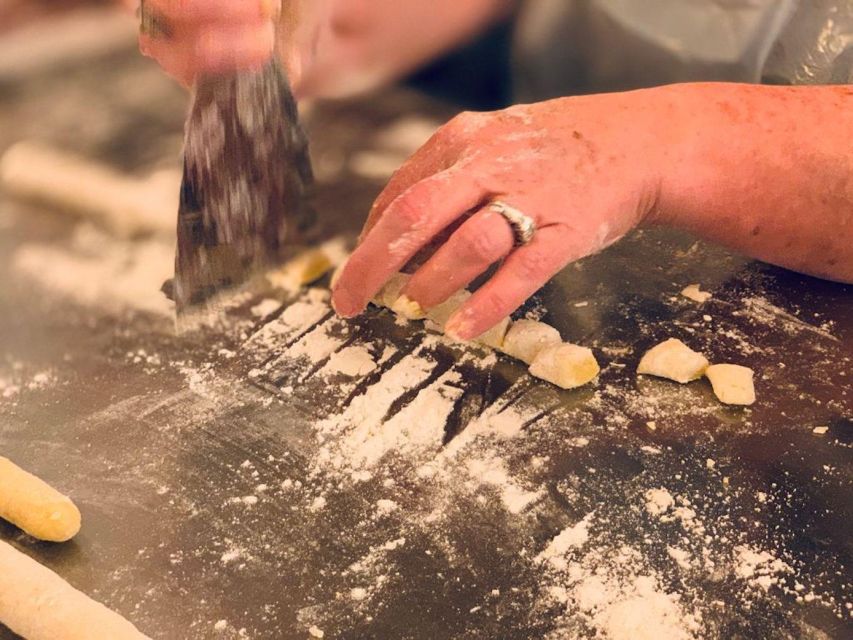
Fresh pasta sounds fancy, but this format is designed to make it doable. You get ingredients and clear instruction, and you have time to ask questions rather than rushing through steps.
You’ll learn to make:
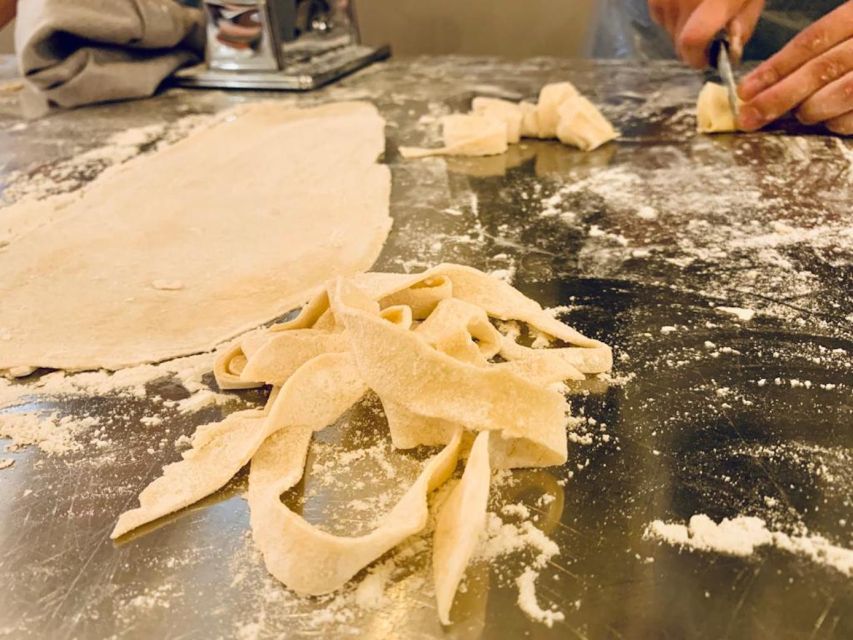
- Fresh fettuccine
- Ravioli
- And then build the meal around those pasta dishes
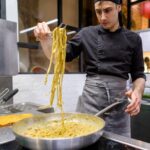
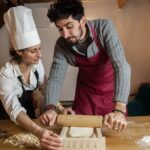
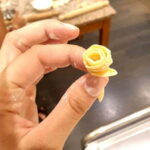
What I like about this approach is that it teaches the workflow. Instead of learning only theory—how flour should feel, what consistency looks like—you actually practice. You get a chance to work with dough, handle the shapes, and learn what to pay attention to as you go.
One more useful point: the staff and hosts keep the energy lively. Names that show up in instructor feedback include Barbara, Serena, Thomas, Lauti, and Eddie. Different personalities, same goal: make the process clear enough that a beginner can keep up.
Tiramisu technique: the steps that separate ok from great
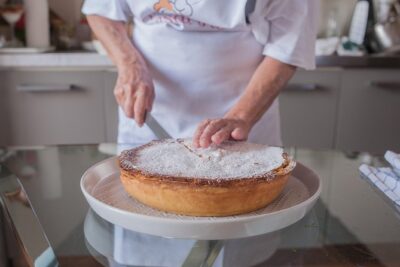
Tiramisu is one of those desserts people think they understand—until they make it and realize it’s all about small choices. This class treats tiramisu like a craft, not a quick mix-and-dump recipe.
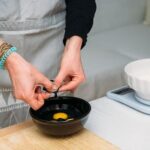
You’ll be taught the traditional method, with a focus on technique. The experience promises you’ll learn the secret techniques for creating the perfect tiramisu, and you’ll have time for questions while you’re assembling it.
Because this dessert is part of the traditional Italian recipe process, it also matters for dietary planning. The instructions focus on the classic version that includes gluten, dairy, and eggs, and they can’t guarantee the process is 100% free of cross contamination. So if your needs are strict, read the dietary section carefully before you book.
The table meal: wine, limoncello, coffee, and real conversation
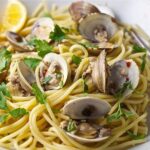
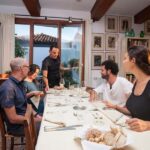
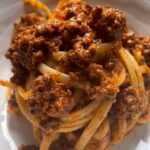
The best part of this kind of cooking class is what happens after the last step: you sit down together and eat. Here, you sample both pasta dishes and your tiramisu with wine at the table, plus limoncello and coffee.
This matters for value. You’re paying for a cooking lesson, but you’re also paying for the meal outcome and the drinks that go with it. If you’ve ever bought a cooking class ticket and still had to find dinner afterward, this removes that hassle. You finish with food in front of you—your work becomes the meal.
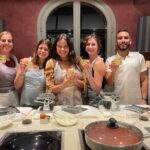
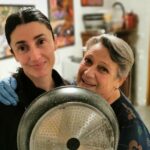
The social piece is built in as well. Many people end up chatting with the others at their table group. In feedback, hosts are often described as warm and entertaining, with hosts like Barbara and Serena standing out for keeping everyone engaged, pacing clear, and the atmosphere easy to enjoy.
And yes, celebration moments can happen. One class experience included birthday singing—useful if you’re planning a special trip meal without having to book a separate restaurant reservation.
Dietary needs: what’s supported, what isn’t, and how to handle allergies safely
This is the part you should read twice.
The class notes that dietary options are available, including vegetarian, vegan, lactose intolerant, and other diets supported. But the activity also lists clear limitations: it is not suitable for:
- Vegans
- People with gluten intolerance
- People with lactose intolerance
- Babies under 1 year
- Children under 3 years
And there’s an allergy reality check you should take seriously. They offer substitutes for people with allergies or food preferences, but the instructions always focus on the traditional recipe containing gluten, dairy, and eggs. They also can’t guarantee the environment is 100% free from cross contamination. So even if you request swaps, the lesson itself may still involve ingredients that trigger your concern.
My practical advice: if you have a serious allergy, treat this as a “call and confirm” situation before booking. Provide your exact allergy or restriction in advance and ask how they handle cross-contact risk in the workspace. If your restriction is lactose or gluten, assume this isn’t the right match and consider a class designed for your needs.
What the reviews reveal about the hosts (and why that matters)
Cooking classes live or die on the teacher. With this one, the host quality shows up again and again in the feedback patterns.
A few themes that repeat in instructor mentions:
- Clear, step-by-step guidance at a pace everyone can keep up with (including families with teenagers)
- Hosts who stay involved during the process, not just at the start
- A fun tone that makes the kitchen feel like an experience, not a lecture
Specific names tied to great outcomes include:
- Barbara (often praised for being lively and a strong instructor)
- Serena (praised for being entertaining and pacing clearly)
- Thomas and Bleona (mentioned for fun, easy-to-follow instruction)
- Eddie (mentioned for being entertaining and making the evening feel unique)
- Lauti (praised for being relaxed, attentive, and informative)
Even if you don’t request a specific host, these names are useful when you book. If the platform lets you add a preference, you can look at those instructor options and choose accordingly.
Value at $78: what you’re really getting for your money
At $78 per person for about 3 hours, you’re not just buying a “watch someone cook” experience. You’re buying:
- The cooking class instruction
- Ingredients used during the lesson
- A full tasting meal at the table
- Wine included, plus limoncello and coffee
That combination is why this tends to feel like good value. You’re getting both sides: skills you can practice later and a meal that you’d otherwise need to pay for. And since you eat what you make, the experience doesn’t end with empty hands.
Also, the 3-hour duration is a practical sweet spot. It’s long enough to teach techniques and let you finish a dessert, but not so long that you feel trapped indoors in Venice. It works well as an afternoon plan, especially if you’re trying to rest your legs for a bit before dinner.
Who this pasta and tiramisu class is best for
This works especially well if you:
- Want a break from sightseeing that still feels like “Venice time”
- Like hands-on cooking and want to learn a skill you can repeat at home
- Enjoy meeting people during a shared meal
It also fits couples and small groups. People frequently describe the class as a fun shared activity, and it naturally becomes a dinner plan because you eat what you cook.
For families: it’s described as a hit with teenagers in some experiences, though it’s not suitable for very young children (under 3), and not for babies under 1.
If you’re a strict vegan or need gluten-free/lactose-free meals, I’d treat this as a no, based on the stated “not suitable” list. For other dietary needs, check and confirm substitutions in advance.
Should you book this cooking class in Venice?
If you want an authentic, hands-on Venice pasta and tiramisu experience that ends with a real meal and wine, I think this is a strong booking choice. It’s also ideal if you like practical learning: you get guided instruction, then you taste your result.
Just don’t ignore the dietary limits. If gluten or lactose is a deal-breaker, or if vegan is your only option, look for a different class built for that need. And if you have allergies, message them clearly and confirm cross-contact risk.
FAQ
How long is the Venice pasta and tiramisu cooking class?
The class lasts about 3 hours.
Where does the class take place in Venice?
The experience is in a locally beloved Venice restaurant, with the class located in the Dorsoduro area. The exact meeting point may vary depending on the option booked.
What dishes will I learn to make?
You’ll learn to make fresh pasta including fettuccine and ravioli, and you’ll also make tiramisu.
Is wine included?
Yes. You’ll have wine during the class and you sample the dishes you prepare with wine at the table. Limoncello and coffee are also included.
Is the class taught in English?
Yes, the live tour guide speaks English.
Are dietary options available?
The activity says dietary options are available and you can inform the provider when booking (including vegetarian, vegan, lactose intolerant, and other diets). However, it also lists that it is not suitable for vegans, people with gluten intolerance, and people with lactose intolerance.
Are there limits for young children?
Yes. It is not suitable for children under 3 years, and it is also not suitable for babies under 1 year.