REVIEW · VENICE
Tiramisu and Fresh Pasta Cooking Class in Venezia
Book on Viator →Operated by 'more Venice · Bookable on Viator
If you like eating well and learning faster, this fits. In a 16th-century Venetian palace, you’ll make fresh pasta and tiramisù the hands-on way, then sit down to a shared family-style meal with the kind of relaxed hosting Venice does best. I especially liked the small-group feel and the chance to learn tiramisu and pasta techniques you can repeat at home.
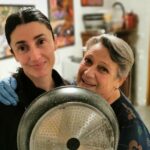
The best part is the teaching: the chefs guide you through each step at your pace, whether you’re starting from scratch or just want to improve. Names that come up in real sessions include Anthea and Mauro, and both styles show up in the same theme: clear steps, good energy, and time for questions.
One possible drawback to keep in mind: the exact mix of ingredients can vary a bit by day and group size, so if you have strong expectations about specific seafood or a particular menu version, ask before you begin.
In This Review
- Key Highlights You’ll Care About
- Why This Pasta and Tiramisu Class Feels Like More Than a Lesson
- Meeting at Calle S. Pantalon: Your Start Point in Real Venice
- Welcome Snacks, Wine, and Oil Tasting: The Food-First Kickoff
- Hand-Rolling Fresh Pasta: What You Actually Learn
- What the pasta lessons are built around
- A note on skill levels
- Tiramisu the Old-School Way: Build It, Then Eat It
- Why this dessert lesson is worth it
- The Shared Family-Style Meal: What Comes Out of the Kitchen
- Where the “small downside” might show up
- Drinks, Espresso, and the Limoncello Shot That Ends It Right
- Value Check: Does $96.33 Make Sense in Venice?
- Who Should Book This Class (and Who Might Think Twice)
- Booking Smarts and Simple Planning Tips
- Should You Book MORE Venice’s Tiramisu and Fresh Pasta Class?
- FAQ
- How long is the tiramisu and fresh pasta cooking class in Venice?
- Where does the class start, and does it end nearby?
- What’s the maximum group size?
- What language is the class taught in?
- What’s included besides cooking?
- What do you cook during the class?
- Is free cancellation available?
Key Highlights You’ll Care About
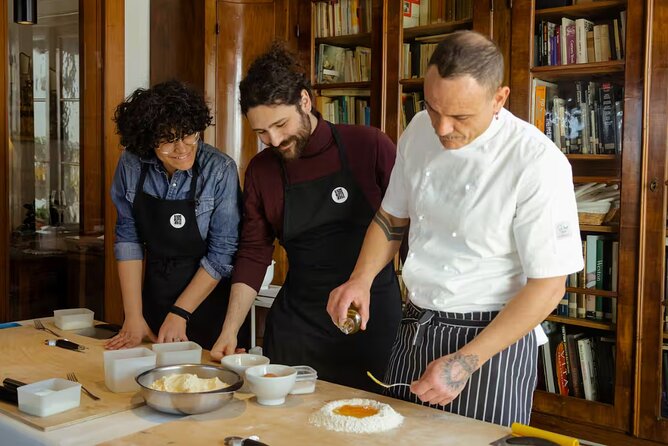
- Max 12 people means you get real attention, not just a show-and-tell class
- Two pasta dishes from one dough approach, with a pasta dough recipe you take home
- Original ancient-style tiramisù with step-by-step guidance
- Welcome snacks plus drinks including wine (1 bottle every 4 people), mineral water, and limoncello shot
- Oil tasting with homemade focaccia plus espresso at the meal
Why This Pasta and Tiramisu Class Feels Like More Than a Lesson
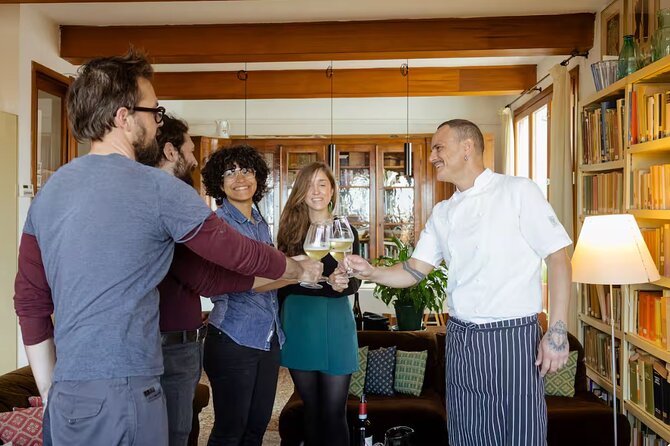
This is the kind of Venice activity that doesn’t just hand you a plate. You roll dough, you shape pasta, and you build tiramisù in front of you, then you eat what you made with the group. In a city full of tours that rush, this one slows down in the best way.
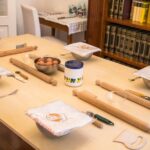
I like that it’s family-run and set in a Venetian home-like palace atmosphere. That matters because it changes the pace: it feels like you’re being welcomed into someone’s kitchen rhythm. You’re not standing around waiting for the “real cooking” part to start.
You’ll also leave with more than memories. The class includes a pasta dough recipe (enough to create two pasta dishes later) and a tiramisu recipe, plus the flavors that make Italian home cooking work: the sauces, the timing, and the balance.
You can also read our reviews of more tours and experiences in Venice.


Meeting at Calle S. Pantalon: Your Start Point in Real Venice
You meet at Calle S. Pantalon, 3707, 30100 Venezia VE. It’s near public transportation, which is a big deal in Venice where timing can get weird fast. The activity ends back at the same meeting point, so you’re not stuck trying to navigate bridges after you’ve been eating and sipping.
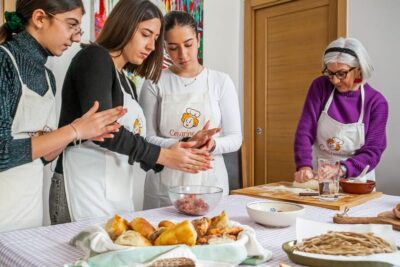
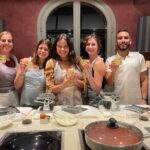
When you arrive, you’ll get settled and then the evening shifts into food mode right away. Expect a small group setup where you can hear the chef and actually follow what’s happening at your station. That intimate size is one reason this class is so frequently rated highly.
Practical tip: wear something you can move in. Pasta dough is hands-on, and even if you’re not a “messy” person, you’ll likely get a little flour on your life. Also, Venice can be cool in the evening, so bring a layer.
Welcome Snacks, Wine, and Oil Tasting: The Food-First Kickoff
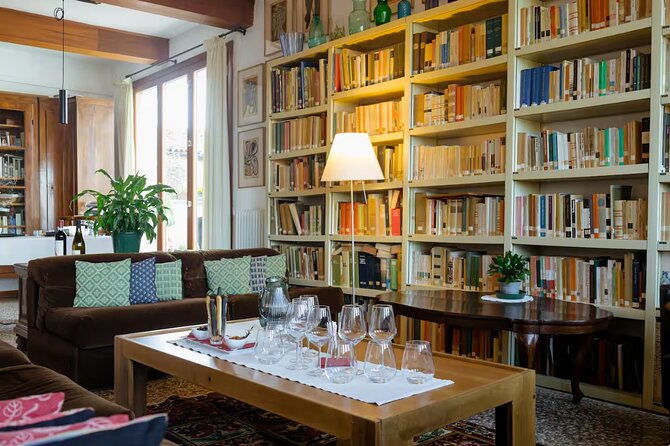
The experience starts with welcome snacks, then moves into the tasting portion that sets the tone for what you’ll learn. Included are mineral water and an oil tasting paired with the group’s homemade focaccia.
This part may sound simple, but it’s useful. Italian cooking lives and dies by small choices—texture, salt level, and how fats carry flavor. The oil tasting is a quiet lesson in the difference between “okay” bread and seriously good bites.
Then come the drinks: 1 wine bottle every 4 people, plus the meal includes espresso coffee and a homemade limoncello shot. If you’re traveling with the kind of friend who thinks every good trip needs one memorable food moment, this is the one you’ll both talk about later.
Hand-Rolling Fresh Pasta: What You Actually Learn
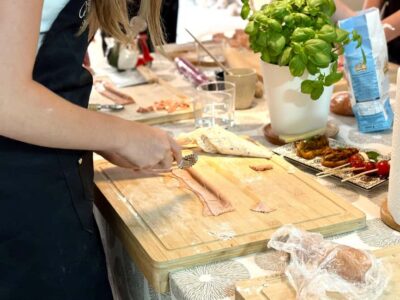
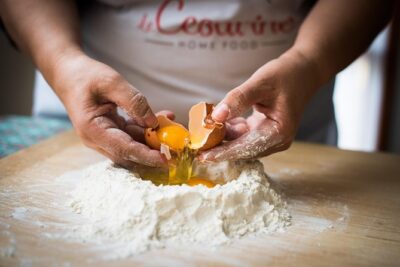
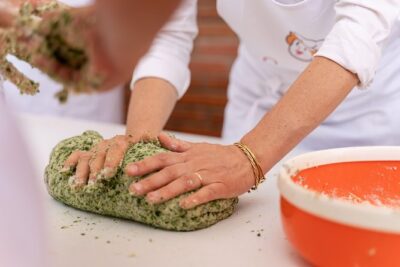
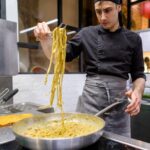
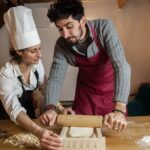
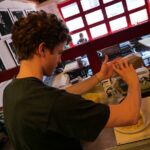
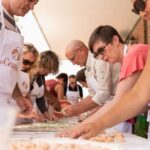
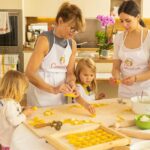
This class centers on traditional technique: hand-rolled pasta and classic sauces made with fresh, local ingredients. The chef doesn’t just tell you what to do; you do it.
A key detail I like is that you’re taught a pasta dough recipe designed so you can recreate two different pasta dishes later. That means you’re not leaving with one single-use recipe. You’re leaving with a base technique that can turn into more than one dinner at home.
What the pasta lessons are built around
You’ll see the menu-style dishes the class is focused on, including:
- Tortellini paired with flavors like asparagus, red potato, and a prawn bisque approach, finished with grilled king prawn
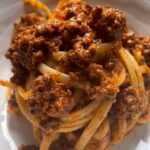
- Tagliatelle with artichoke cream, crispy guanciale, and fresh truffle
Even if your exact station work focuses on dough and shaping, the sauce and topping logic matters. You’ll learn how the ingredients are meant to work together, so your attempt at home doesn’t end up tasting like separate components on a plate.
A note on skill levels
It’s listed as suitable for all skill levels, and that matches the way these classes are typically run: the chef breaks down technique into steps you can follow. If you’re anxious about getting it wrong, you probably won’t be for long—hands-on classes succeed when someone corrects your form without making you feel clumsy.
Tiramisu the Old-School Way: Build It, Then Eat It
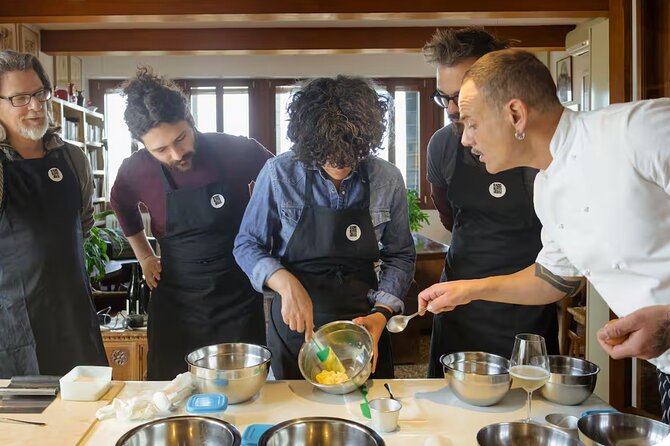
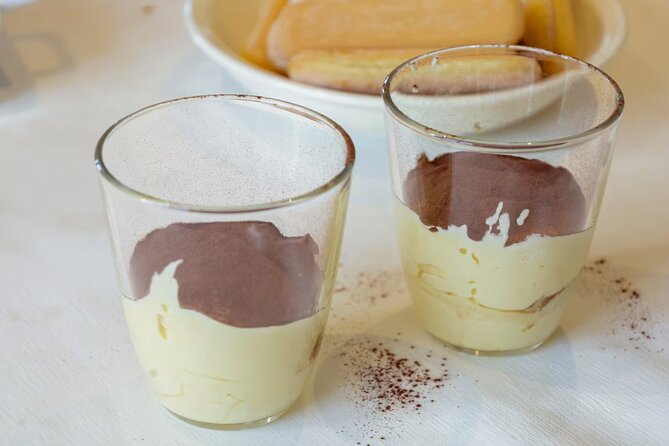
Then you shift from savory to sweet with tiramisu, described as an original ancient recipe. This is where a lot of visitors get surprised: tiramisù can look fancy, but the real skill is in assembly and timing—how you combine components without turning the dessert into a sloppy mess.
The chef guides you through the process, then you finish it as part of the experience. In at least one session, Anthea is mentioned as leading students through the steps so the result turns out creamy, not grainy and not watery.
Why this dessert lesson is worth it
At home, tiramisù often fails because people rush the texture changes or use the wrong ratio of wet to dry. Here, you’re learning the logic behind the recipe—not just copying a list of ingredients. And because you get a tiramisu dessert recipe included, you’re not stuck trying to remember what you did.
If you’re a sweets person, this is your moment. If you’re not, it still helps because it changes the whole meal’s arc: you go from warm dough and sauce to a cool, classic finish.
The Shared Family-Style Meal: What Comes Out of the Kitchen
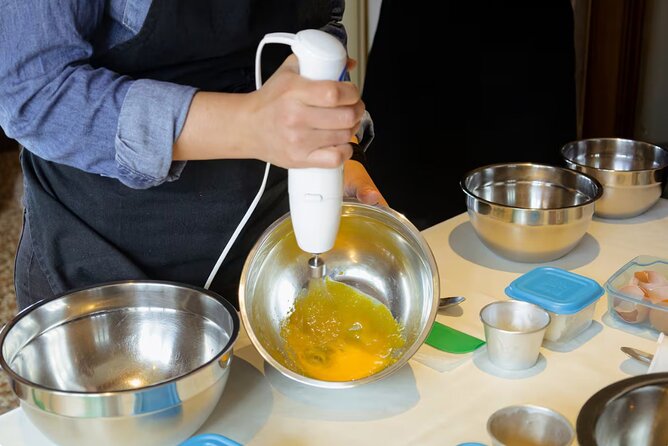
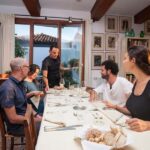
After the hands-on portions, you sit down to eat what the class has built. The experience is designed as a shared family-style meal in Venice’s setting, which is one of the reasons the room energy feels different from a typical restaurant dinner.
The sample menu highlights two mains:
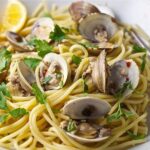
- Tortellini with Asparagus, Red Potato, Prawn Bisque & Grilled King Prawn
- Tagliatelle with Artichoke Cream, Crispy Guanciale, and Fresh Truffle
Dessert is tiramisu.
In real feedback from sessions, people also mention the setting itself: a beautiful private home and, in one case, a stunning view from inside. That’s a big part of why the meal lands well. You eat in the space where you worked, so the whole experience stays cohesive.
Where the “small downside” might show up
One review flagged that the pasta proposal can feel a bit basic compared with what was emailed in advance, and that ingredient expectations didn’t match what they anticipated. It also mentioned coffee timing for the price.
Here’s my practical take: menus can shift based on what the kitchen can source and how the group is flowing. If you have any must-have or must-avoid ingredient, it’s smart to ask the chef or confirm during the welcome moment. The experience is designed to be traditional, but traditional still means flexibility.
Drinks, Espresso, and the Limoncello Shot That Ends It Right
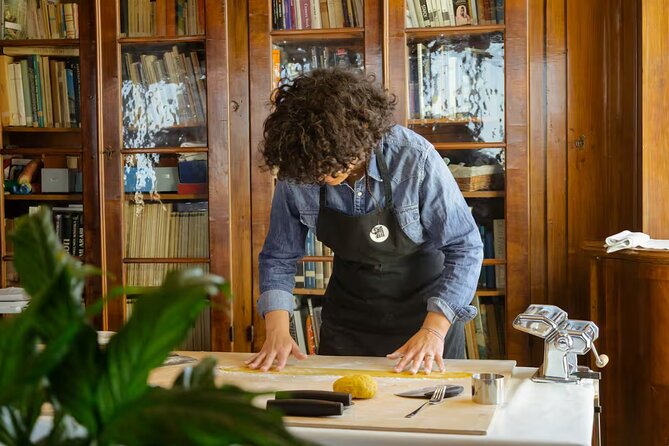
This isn’t a dry cooking class. It includes:
- Wine: 1 bottle per 4 people
- Mineral water
- Espresso coffee
- Homemade limoncello shot
In one reviewed session, a guest specifically notes organic Prosecco alongside the drinks and limoncello. That’s not something I’d assume for every single run, but it tells you the hosting style can include bubbles depending on the day.
If you’re planning your night, this matters. You’ll be working with food and drinks for about 3 hours 30 minutes, so try not to schedule a must-do gondola slot right after. Give yourself a buffer to walk it off and digest.
Value Check: Does $96.33 Make Sense in Venice?
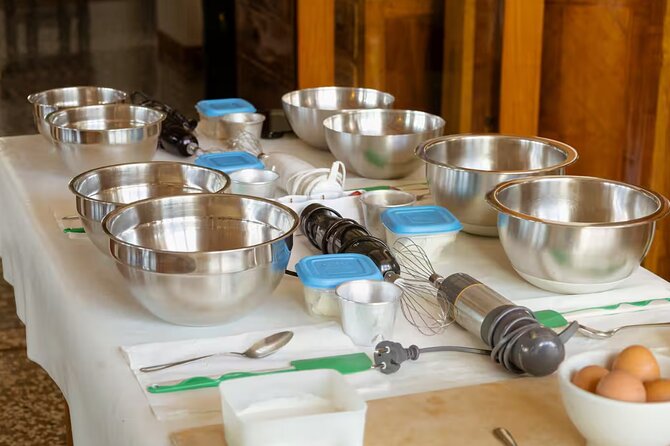
At $96.33 per person for about 3.5 hours, you’re paying for more than ingredients. You’re paying for:
- chef-led instruction and hands-on stations
- a small-group experience (max 12 people)
- recipes you can take home (pasta dough recipe and tiramisù recipe)
- included meal components and drinks (wine, water, focaccia with oil tasting, espresso, limoncello)
If all you wanted was dinner, you could find plenty of meals cheaper. But if you want a skill you can reuse, plus the social side of cooking together, this is where the value starts to make sense.
Another value signal: it’s typically booked about 17 days in advance on average. That suggests people plan ahead because the experience is limited-size and easy to sell out during peak season.
Who Should Book This Class (and Who Might Think Twice)
You’ll love it if:
- you want a hands-on food experience, not just a tasting
- you’re comfortable working at a table for several hours
- you want recipes and technique you can repeat at home
- you travel with someone who loves food and wants a shared activity
It might be less ideal if:
- you need a very precise menu you can print and guarantee down to the last seafood detail
- you dislike spending an afternoon or evening cooking rather than sightseeing
- you’re looking for a long lecture about food history instead of actually making dinner
If you’re traveling solo, it still works well because the group stays small and the format supports conversation. If you’re with family, it reads as approachable for different skill levels.
Booking Smarts and Simple Planning Tips
This is in English, which helps if you’re not fluent in Italian. You also get a mobile ticket, which saves time in the pre-class scramble.
Because you start at a specific calli location and end back there, plan your arrival with a little breathing room. Venice is great, but streets can be slow, and you don’t want to rush while someone is explaining the first steps.
And if you’re picky about ingredients or have dietary constraints, ask early. The experience is designed around traditional Italian cooking, and the class uses fresh local ingredients, so the exact mix can shift.
Should You Book MORE Venice’s Tiramisu and Fresh Pasta Class?
I’d book it if you want one of the more practical, repeatable food experiences in Venice. The combination of small-group attention, hands-on fresh pasta technique, and an included tiramisu lesson is exactly the kind of day that makes the trip feel personal.
Just go in with the right mindset: this is a real working kitchen and a real meal, so ingredient choices can flex. If you confirm what matters to you at the start, you’ll leave with recipes, confidence, and the kind of dinner story that doesn’t fade.
FAQ
How long is the tiramisu and fresh pasta cooking class in Venice?
It runs for about 3 hours 30 minutes.
Where does the class start, and does it end nearby?
The meeting point is Calle S. Pantalon, 3707, 30100 Venezia VE, Italy, and the activity ends back at the same meeting point.
What’s the maximum group size?
The class has a maximum of 12 travelers.
What language is the class taught in?
The experience is offered in English.
What’s included besides cooking?
You’ll get welcome snacks, mineral water, oil tasting with homemade focaccia, espresso coffee, and a homemade limoncello shot. Wine is also included (1 bottle every 4 people), and you receive recipes for the pasta dough and tiramisù.
What do you cook during the class?
You’ll learn traditional recipes including hand-rolled pasta and tiramisu, with a pasta dough recipe that helps you create two different pasta dishes.
Is free cancellation available?
Yes. You can cancel up to 24 hours in advance for a full refund.