REVIEW · VERONA
Verona: Italian Cooking Class with Pasta, Risotto and Tiramisù
Book on Viator →Operated by Ways · Bookable on Viator
Cooking in Verona feels like time travel. In just 3 hours 30 minutes, you learn to make three Italian classics from scratch with an English-speaking chef, then sit down to eat what you cooked with included wine. The one small catch: there’s no hotel pickup, so you’ll want to get yourself to the central meeting point.
What I like most is the hands-on pacing and the take-home payoff. The class is capped at 12 people, and the instructors (often including chefs like Silvia, Laura, Cristina/Christina, or Simone) guide you step by step while you actually do the work. You also leave with an Italian cookbook-style booklet so the meal doesn’t end when lunch is over.
In This Review
- Key Things You’ll Notice Right Away
- From Via Teatro Ristori to the Cutting Board: How the Class Flows
- Homemade Pasta the Italian Way: What You Learn While You Cook
- Risotto in the Real World: Timing, Texture, and Local Wine Context
- Tiramisù from Scratch: Layering, Coffee-Flavor Balance, and Mascarpone
- Lunch and Wine: Turning Cooking Into a Proper Meal
- Small-Group Teaching in English: Why It Feels Personal
- Price and Value: What $114.93 Actually Buys You
- Who This Class Is Best For (and Who Might Want to Skip It)
- Should You Book This Verona Pasta, Risotto, and Tiramisu Class?
- FAQ
- How long is the cooking class?
- What time does the experience start?
- Is the class offered in English?
- What is included in the price?
- Are dietary requirements accommodated?
- Is hotel pickup provided?
- Are children allowed?
Key Things You’ll Notice Right Away
- Small group size (max 12): you get real coaching, not just a show-and-tell lesson
- Hands-on menu: homemade pasta, risotto, and tiramisù made from scratch
- Wine included: a welcome glass plus wine with lunch, plus local pairings like Valpolicella and Amarone context
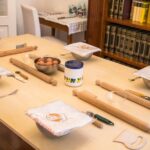
- Central Verona kitchen setup: a clean, organized space designed for short cooking sessions
- Take-home recipes: a written booklet with tips, often with extra recipes accessible via QR code
From Via Teatro Ristori to the Cutting Board: How the Class Flows
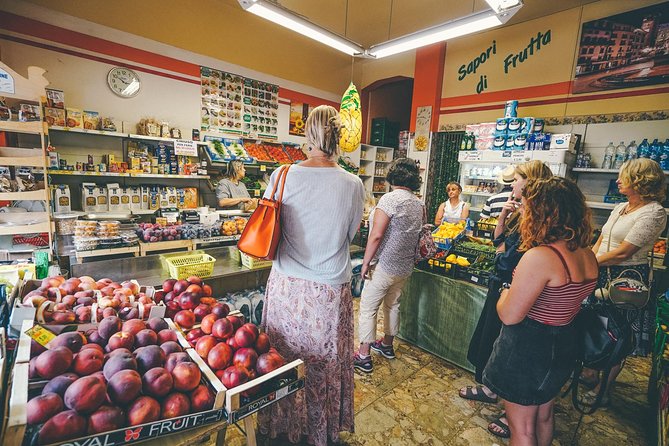
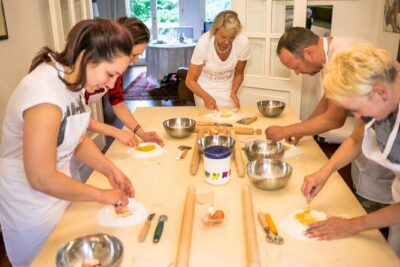
This is a morning-focused experience that starts at 10:00 am in central Verona, at Via Teatro Ristori, 7. You meet your chef-instructor, then head to the cooking and dining space right in the heart of town. The whole rhythm is built for momentum: you’ll get the basics, get moving quickly, cook, then eat what you made—no long gaps, no museum shuffle.
You can think of it as three cooking stations that turn into one meal. First comes the pasta foundation, then risotto technique, then dessert assembly. Each step is set up so you don’t feel lost when the kitchen gets busy. That matters in a class like this, because rolling dough, timing risotto, and layering tiramisù are three different skill sets.
A practical note: since there’s no pickup, plan to arrive a few minutes early and take it easy with footwear. Kitchens can be slick around prep areas, and you’ll likely be standing and working longer than you expect for a 3.5-hour activity.
If you’re someone who likes to learn by doing, this format fits your style. And if you’re traveling with a partner or a friend, the pace also makes it easy to swap roles—watch one step, then try the next.
You can also read our reviews of more tours and experiences in Verona.
Homemade Pasta the Italian Way: What You Learn While You Cook
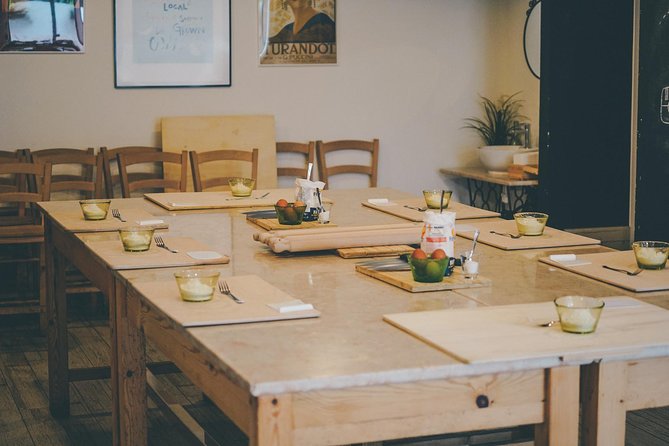
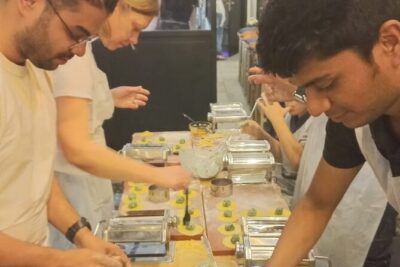
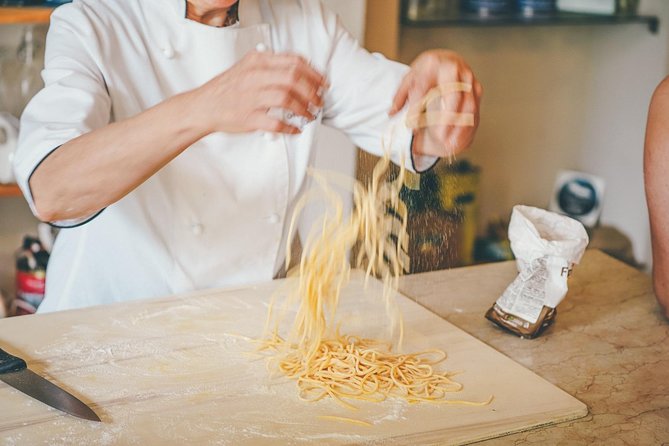
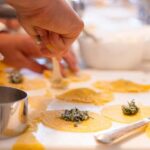
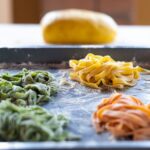
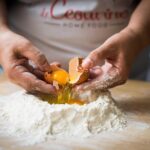
The first big win here is that you’re not just assembling dinner. You’re making homemade pasta with the chef’s help, from dough work to cooking-ready forms. The class typically focuses on the essentials of Italian pasta technique and flavor logic: simple ingredients, handled carefully, then matched with sauces you can understand and repeat later.
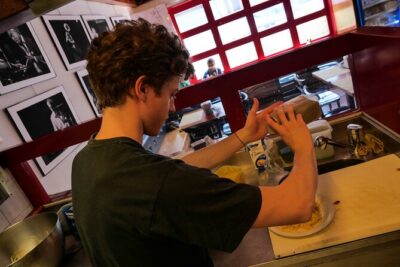
In practical terms, you’ll learn how the dough should feel and how to work it without overthinking it. Rolling pasta can be the moment where many people get frustrated at home, so it helps that instructors correct you as you go. Several people mention the instructor being patient and stepping in when dough or rolling doesn’t behave the way you expect.
You’ll also get pairing ideas for seasonal sauces—think tomato-based options, vegetables, or ragù-style flavors. The goal isn’t just to eat well that day; it’s to leave with a sauce framework you can use back home. That’s why the course emphasizes flavor profiles rather than complicated tricks.
One more benefit: when you cook your own pasta, you notice the difference between pasta that’s tender and pasta that’s tough. You also learn what timing feels like when your water is ready and the dough is set. Those little cues are hard to pick up from a recipe alone.
Risotto in the Real World: Timing, Texture, and Local Wine Context
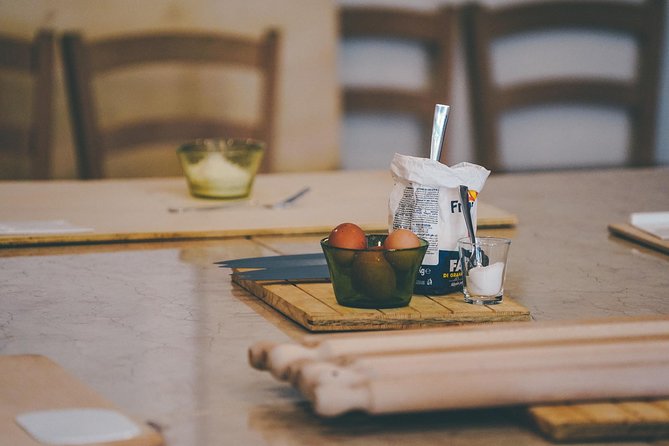
Risotto has a reputation for being fussy. That’s fair—sort of. The trick is not speed; it’s attention. This class has you making risotto with guidance, pairing it with vegetables or local-style risotto approaches, including a Verona-area angle connected to Amarone. You’ll also hear the logic behind why risotto behaves the way it does: warm liquid, steady stirring, and texture control.
You won’t just be handed a finished pan and told to admire it. You’ll work through the technique steps while an instructor keeps you on track. That means you’ll understand the rhythm: add, stir, wait for absorption, then repeat—until the rice becomes creamy without turning into soup.
This is a great dish for people who like measurable progress. Pasta can feel forgiving, but risotto gives you feedback as it cooks. When it starts to loosen into a creamy consistency, you know you’re getting close. When it thickens too fast, you know you need a little more liquid and a slower tempo.
And then there’s the pairing. Lunch includes wine, and risotto is specifically tied to local wine context like Amarone. Even if you don’t become a wine expert, the pairing helps you understand why Italians do what they do: the wine and the dish support each other instead of fighting for attention.
Tiramisù from Scratch: Layering, Coffee-Flavor Balance, and Mascarpone
Dessert is where many cooking classes become just “follow the steps.” Here, tiramisù is treated as a real craft: the sponge elements, coffee-soaked flavor, and the layered mascarpone finish. The class focuses on how to put tiramisù together correctly so it slices cleanly and tastes like the version you crave at a great Italian café.
You’ll be working with a sponge cake base that’s laced with liqueur and coffee, then layered with cocoa and sweet mascarpone cheese. That sounds straightforward, but the texture depends on details like how long sponge sits and how evenly you distribute the cream.
A big reason people love this class is that instructors help you with the sticky parts—literally and figuratively. Several comments highlight step-by-step support for making the dessert, not just dumping ingredients into bowls. If you’ve ever tried tiramisù at home and wondered why it tasted good but looked messy, this is exactly the kind of technique that gives you a fix.
Also, tiramisù is a great “confidence builder.” If you leave Verona with one dish you feel comfortable repeating, this is it. You get the mental model, not only the ingredient list.
Lunch and Wine: Turning Cooking Into a Proper Meal
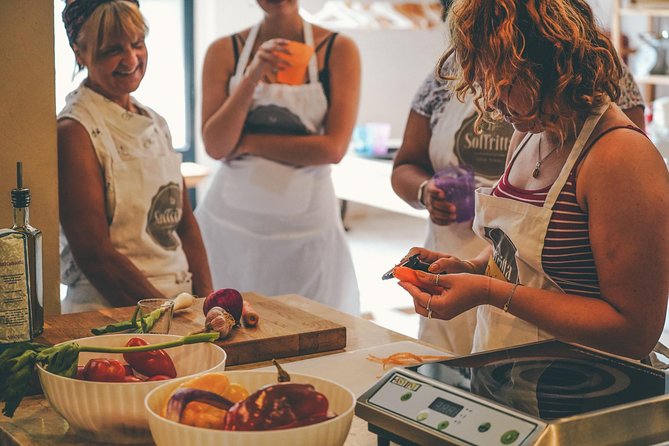
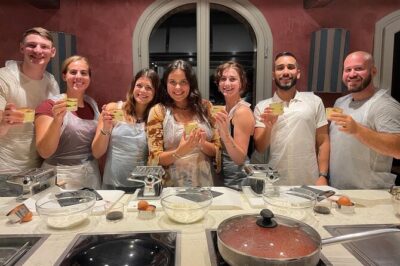
After you cook, you eat. Lunch includes the dishes you prepared, plus wine and beverages. There’s also a welcome aperitif with a glass of wine early in the experience. So you’re not waiting until the very end to enjoy the food and the local drinks.
The wine angle matters because it makes the meal feel like part of regional Italian culture, not just a reward for finishing tasks. You’ll also see local pairing cues like Valpolicella for the wine with lunch, and Amarone context for the risotto pairing. That regional connection is one of the reasons this class feels more Verona than generic Italian cooking.
If you’re the type who learns better when you can taste during the process, this pacing works. You get the “why” while cooking and then the “aha” while eating.
It’s also a relief that this isn’t a rushed standing lunch. You pull up a chair and eat what you made as a group, with the included wine and bottled water available.

Small-Group Teaching in English: Why It Feels Personal
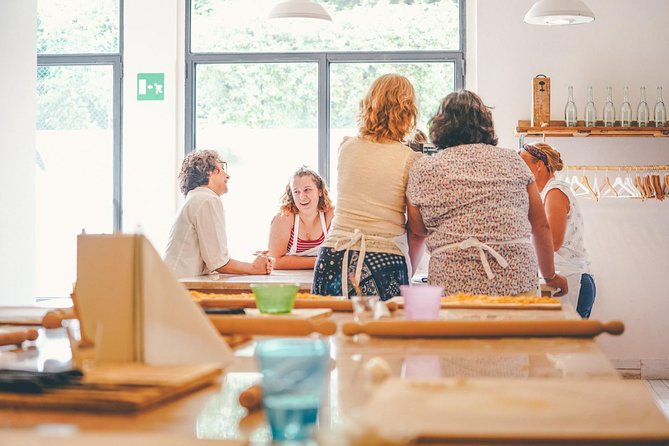
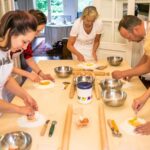
A class capped at 12 people changes the whole experience. It means the chef can watch your hands, not just your face. In small groups, you can ask questions at the exact moment you hit confusion, instead of holding them for later.
Language is another practical win. The class is offered in English, and multiple people mention instructors with clear communication and strong English. You’re not left guessing when someone says soften, fold, or stir until a certain texture happens.
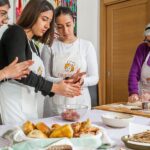
The teaching style also seems designed for real participation. People describe the chefs and assistants as warm, engaging, and willing to correct mistakes as you cook—especially during hands-on tasks like rolling pasta sheets. Even a helpful background assistant (one person specifically mentioned Alba) can make the workflow smoother so you stay focused on your station.
If you’re curious about different local traditions, that tends to come up naturally in conversation during a cooking class. You’ll hear how ingredients are used simply and why certain flavor combinations show up repeatedly in northern Italian cooking.
One more bonus: some dates can run with very small numbers. When that happens, you naturally get more attention and more time to practice the parts that feel tricky.
Price and Value: What $114.93 Actually Buys You
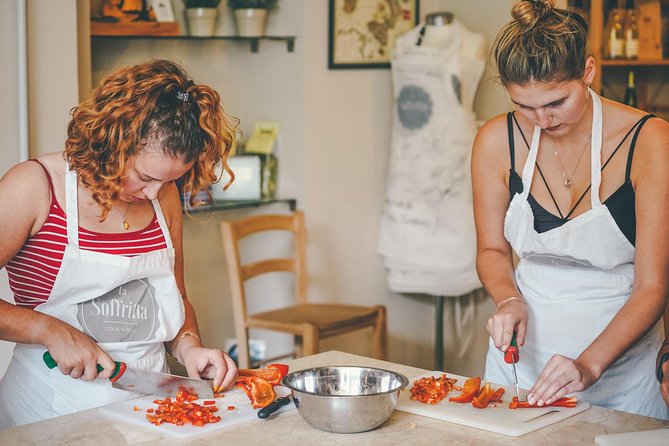
At $114.93 per person, you’re paying for more than a cooking lesson. You’re paying for:
- instruction with an Italian chef
- a welcome aperitif with a glass of wine
- hands-on preparation of pasta, risotto, and tiramisù
- lunch featuring the dishes you made with wine and beverages
- bottled water
- an Italian cookbook-style booklet with recipes and tips
- a class format limited to a maximum of 12 people
That’s why the price can feel reasonable, especially compared to “chef demo” experiences that don’t include food, wine, and a take-home recipe pack. Here, your ticket feeds you and gives you the tools to cook again.
Also, the time matters. 3 hours 30 minutes in a central setting is a manageable block in your Verona schedule. You’re not carving out an entire day to get a single meal.
If you’re budgeting for Verona, I’d treat this as a single cost that covers both the activity and a substantial lunch with wine. That often makes it a better deal than booking a cooking activity and then paying separately for a nice sit-down meal afterward.
Who This Class Is Best For (and Who Might Want to Skip It)
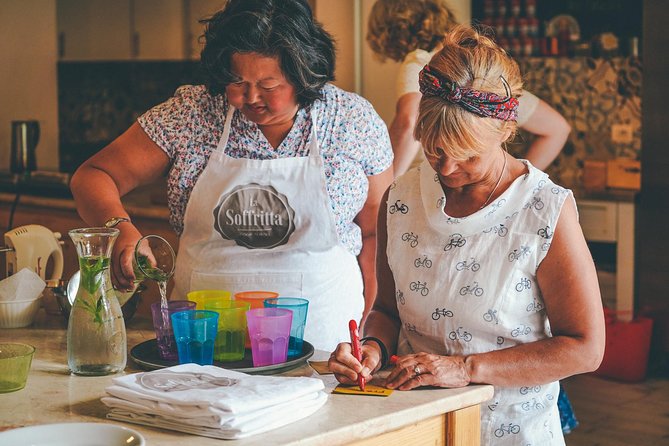
This class is ideal if you want a hands-on Verona experience focused on food skills you can repeat. It’s also a good choice if you like structured learning: pasta first, risotto next, then dessert—so you always know what you’re working toward.
It’s less ideal if you dislike kitchens, loud prep areas, or standing for the length of the session. It’s also not aimed at kids: children under 14 aren’t allowed. So plan for adult-only timing if that affects your travel group.
Diet matters too. The class asks that you advise specific dietary requirements at booking, so if you eat vegetarian, avoid gluten, or have allergies, handle that early so the chef can plan. Don’t wait until the day-of.
Finally, if you have reduced mobility concerns, note that some parts of the activity may not be easy to access. If that’s you or someone in your party, it’s worth checking details ahead of time so you’re not surprised once you arrive.
Should You Book This Verona Pasta, Risotto, and Tiramisu Class?
Yes, you should book it if you want a practical Verona food experience with real teaching, not just a meal. The biggest strengths are the small group size, the fact that you make all three dishes from scratch, and the included wine lunch that turns your work into a relaxed sit-down meal.
I’d especially choose it if:
- you want to learn pasta and risotto techniques you can repeat at home
- you like English-led instruction
- you want a take-home booklet that goes beyond a basic recipe card
- you want a high-value morning that ends with food and wine
Skip it if:
- you require hotel pickup or door-to-door convenience
- you travel with children under 14
- you need guaranteed accessibility for every area of the kitchen setup
If you’re on the fence, treat this like a food-focused “must-do” for Verona. The payoff is simple: you leave with skills, not only photos.
FAQ
How long is the cooking class?
It runs for about 3 hours 30 minutes.
What time does the experience start?
The start time is 10:00 am.
Is the class offered in English?
Yes, the experience is offered in English.
What is included in the price?
The price includes a chef, a welcome aperitif with a glass of wine, hands-on pasta and risotto cooking, tiramisù making, and lunch with wine and beverages, plus bottled water and an Italian cookbook with recipes and tips.
Are dietary requirements accommodated?
Please advise any specific dietary requirements at the time of booking.
Is hotel pickup provided?
No, hotel pickup and drop-off are not included.
Are children allowed?
Children under 14 are not allowed in this activity. Underage customers must be accompanied by an adult.