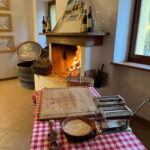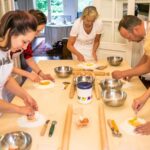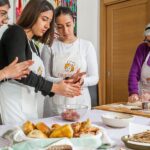
Three hours to master fresh pasta. In Verona, you start at Piazzetta Scalette Rubiani with a Prosecco pour, then step into a real restaurant kitchen to learn fettuccine and tiramisu.
I love the small group feel (up to 12 people) and the calm, patient teaching style from instructors like Victoria and Ava. I also like the restaurant-style finish: you sit down, share what you cooked, and toast with local wine.
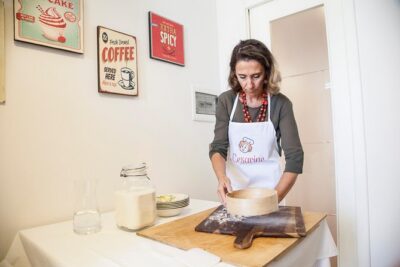
One caution: if aprons are not provided the way you’d expect, plan for flour on your clothes and bring something you don’t mind getting messy (or swap for an extra layer).
In This Review
- Key Highlights You’ll Care About
- Finding the Kitchen: Piazzetta Scalette Rubiani and a 12-Person Class
- Prosecco Welcome and the Rhythm of a Real Verona Restaurant
- Handmade Pasta Lesson: Dough, Fettuccine, and Ravioli Skills
- Traditional Tiramisu From Scratch, Served at the Table
- The Meal and Wine Toast: What Happens After Cooking
- Price, Timing, and Who Should Book
- Should You Book This Verona Pasta and Tiramisu Course?
- FAQ
- What will I make during the class?
- How long does the cooking course last?
- Is the class offered in English?
- Do I get drinks during the experience?
- Is this class suitable for vegetarians and people with celiac?
- How big is the group?
- Where do I meet for the experience?
- Is a mobile ticket provided?
- Are service animals allowed?
- What’s the cancellation policy?
Key Highlights You’ll Care About
- Prosecco welcome before you touch dough
- Hands-on pasta making, with examples like fettuccine and spinach-and-ricotta ravioli
- Tiramisu built from real ingredients, including component prep and assembly
- Chef-cooked pasta timing, so you cook, then eat together
- Max 12 travelers, which makes it easier to get personal attention
- Vegetarian and celiac-friendly options available
Finding the Kitchen: Piazzetta Scalette Rubiani and a 12-Person Class
This class runs about 3 hours in Verona, and it’s designed for small groups, with a max of 12. That matters. With fewer people, you’re more likely to actually get hands-on time instead of standing back watching someone else work.
Your start point is Piazzetta Scalette Rubiani, 3, in the historic center (37121 Verona). It’s also near public transportation, so you’re not stuck planning a long walk after a day of sights. And yes, you get an English-language class, which is a big deal if you don’t want food terminology flying past you at top speed.
The course is aimed at two big Italian comfort-food icons: fresh handmade pasta and classic tiramisu. You’ll be doing the work yourself, not just receiving a plate and a postcard moment.
If you’re the kind of traveler who likes food history, this won’t feel like a lecture. It’s more practical than that. You’ll learn what to do, then do it.
You can also read our reviews of more tours and experiences in Verona.

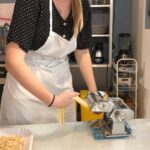
Prosecco Welcome and the Rhythm of a Real Verona Restaurant
The night starts in a friendly, real-world way: you arrive, you check in, and you’re greeted with a glass of Prosecco. That sets the tone. It’s a social start, not a stiff classroom moment.
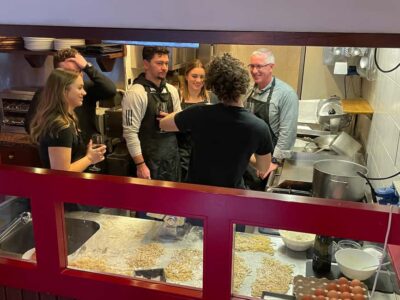
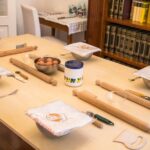
Then you move into the kitchen and see the workings of an Italian restaurant, not a staged cooking demo space. The advantage for you is that the experience feels like part of Verona’s everyday food culture. Pasta makers don’t just talk. They shape dough. They manage timing. They keep moving.
In the reviews, the instructors are praised for being patient and encouraging, especially Victoria, described as sweet and supportive. Ava also comes up as a great teacher who explains clearly and keeps things moving without rushing you.
One practical tip for your comfort: cooking classes can get floury. Wear something you can move in, and expect to handle dough. You’ll likely want to keep jewelry minimal and plan for a little mess.
And because it’s capped at 12 people, the energy stays friendly. You’ll have time to ask questions and still finish on schedule.
Handmade Pasta Lesson: Dough, Fettuccine, and Ravioli Skills
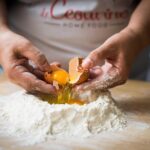
The pasta portion is the core. You’ll learn how to make dough, step by step, starting from the basics like choosing flour and understanding how dough should feel as you work it. That sounds simple, but it’s where most people need guidance. Flour brands and humidity can behave differently, and it helps to have an instructor watch your hands.
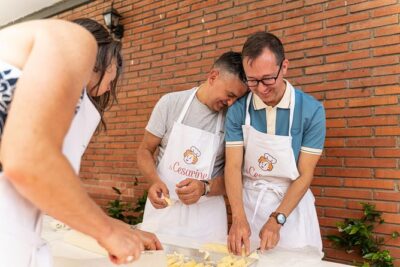
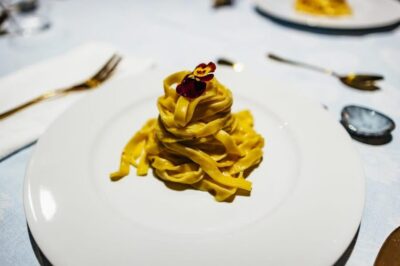
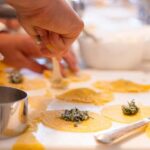
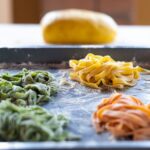
You’ll be doing the shaping, too. Examples from past sessions include fettuccine and spinach-and-ricotta ravioli. Even if your exact shapes differ, the skills transfer: rolling, portioning, sealing, and getting consistent thickness.
One detail that makes this class easier to enjoy: you don’t have to become a full-time pasta cook. After you make your pasta, the chef handles cooking for you, then your group eats later at the table. That means you can focus on learning, instead of worrying about boiling timing or whether the first batch turned out perfectly.
When you cook and then eat together, the whole process becomes memorable. You taste what you built, while still having the safety net of restaurant-level execution from the kitchen staff.
If you’re thinking this might be too technical, don’t overthink it. The instructors are there to guide. And since the group is small, you can get corrections quickly.
Traditional Tiramisu From Scratch, Served at the Table
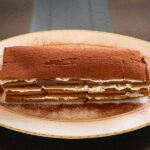
After the pasta skills, you shift to dessert: tiramisu. The course frames it as traditional, using genuine ingredients, and it’s not treated as an afterthought. You’ll work on tiramisu components and then assemble it.
From the experience described, you’re not just mixing a single bowl and calling it done. You’re preparing the parts, then putting them together so the dessert has that classic structure. In past sessions, people specifically mention making components and then assembling it, with dessert served at the end.
This part is a great balance to the pasta lesson. Pasta asks for texture and timing. Tiramisu asks for patience and layering. You get to switch modes, and the kitchen stays social and relaxed while you work.
What you’ll likely love most is that you eat your dessert afterward, not days later in a hotel room. It lands right when you’re still fully in the learning moment.
One consideration: tiramisu is sensitive to proper assembly and chill time. The class format handles the timing for you as part of the restaurant flow, so you’re not stuck managing dessert logistics on your own.
If you’re a sweet-tooth traveler, this is the part that makes the experience feel complete. You leave with two real Italian anchors: pasta and tiramisu.
The Meal and Wine Toast: What Happens After Cooking
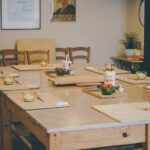
After class, the experience moves into the sit-down portion. This is not just a snack while you stand near the counter. You and your group take a seat at the table and share the meal you helped make.
Waiters bring the food to you, and that matters more than it sounds. It turns the class into a proper evening meal, where you can enjoy the results instead of rushing to pack up.
You’ll also get a toast with local wine after cooking. Earlier you start with Prosecco, and then you finish with wine at the table. It’s a simple pairing of drinks, matched to the food rhythm: start light, then settle in.
Based on what’s been described, the pasta you shaped may be cooked by the chefs for you to eat later. That’s a smart setup for a class setting. It reduces pressure and keeps everyone tasting the same level of doneness.
Vegetarians are accommodated, and celiac-friendly options are available as well. That’s especially valuable here, because pasta and dessert are the foods where dietary needs often get complicated. You shouldn’t have to sit out a major part of the meal.
The class ends back at the meeting point, so you’re not left trying to find your way after you’ve had a glass or two of wine.
Price, Timing, and Who Should Book
At $83.27 per person for about 3 hours, you’re paying for more than ingredients. You’re paying for instruction, a small group setting, and a full restaurant-style meal that includes a welcome drink and local wine. In other words, you’re buying a guided food experience that ends with you eating what you made.
This also isn’t a fast, high-volume class. With a max of 12 people and an emphasis on hands-on work, it’s closer to a specialty workshop than a ticketed show.
Average booking timing (around 50 days in advance) suggests it’s popular, and the small-group limit is real. If you’re traveling in peak season or on a busy weekend, I’d book early so you can choose a time that fits your Verona plans.
Who this suits best:
- Food lovers who want skills, not just tasting
- Couples and small groups who like learning together
- Families (one pairing in the feedback made it a special night with a granddaughter)
- English speakers who don’t want to navigate recipes on their own
- Vegetarians and people who need celiac-friendly options
If you’re someone who hates getting hands messy, tell yourself upfront it’s cooking. Flour happens. The upside is that the mess is part of the fun and you’ll leave with a real takeaway: knowing how these dishes come together.
Should You Book This Verona Pasta and Tiramisu Course?
I think you should book if you want a hands-on Verona evening where you learn two classics and then eat them in a proper dining setup. The combination of a small group, patient instruction (with names like Victoria and Ava showing up in feedback), plus the Prosecco-to-wine flow makes it feel like a complete experience rather than a rushed activity.
Skip it if you’re only looking for a quick bite or you don’t want cooking mess at all. Also, if aprons matter to you, plan to bring a change of shirt or expect flour on clothing.
If you want a practical rule: this is a strong choice when you value small-group attention and you want to leave with skills you can use again at home.
FAQ
What will I make during the class?
You’ll learn to make fresh handmade pasta and tiramisu. Past sessions have included shapes like fettuccine and spinach-and-ricotta ravioli.
How long does the cooking course last?
The experience runs for about 3 hours.
Is the class offered in English?
Yes, it’s offered in English.
Do I get drinks during the experience?
You’ll receive a glass of Prosecco on arrival, and you’ll also toast with local wine after the cooking and meal portion.
Is this class suitable for vegetarians and people with celiac?
Yes. The experience is marked suitable for Vegetarians and suitable for Celiacs.
How big is the group?
The class has a maximum of 12 travelers.
Where do I meet for the experience?
You meet at Piazzetta Scalette Rubiani, 3, 37121 Verona VR, Italy. The activity ends back at the same meeting point.
Is a mobile ticket provided?
Yes. The experience uses a mobile ticket.
Are service animals allowed?
Yes, service animals are allowed.
What’s the cancellation policy?
You can cancel for a full refund up to 24 hours before the experience starts. If you cancel within 24 hours, the amount paid is not refunded.