REVIEW · BARI
Cesarine: Small group Pasta and Tiramisu class in Bari
Book on Viator →Operated by Cesarine: Cooking Class · Bookable on Viator
Skip the restaurant, cook in a Bari home. In this small-group Cesarine class, you begin with an aperitivo, tackle two scratch tiramisu-adjacent favorites (two pasta recipes plus traditional sauces), and end by tasting what you made.
I like that this is truly hands-on cooking, with your host guiding your hands, not just giving tips from the side. I also love the warm, practical teaching style linked to hosts like Juanita and Christiana, known for being patient and turning food safety seriously while still keeping the vibe relaxed in a home kitchen.
The one thing I’d location-check before you go is how far your particular home is from central Bari. A guest once ran into confusion about travel time, so read the directions carefully and plan for a short local transit hop if needed.
In This Review
- Key highlights to know before you go
- Why a Cesarine evening in Bari feels more local than a cooking demo
- The 3-hour flow: aperitivo, two pastas, and a tiramisù you can repeat
- Step 1: Aperitivo and settling in
- Step 2: Pasta from scratch (two recipes)
- Step 3: Tiramisu skills, not just assembly
- Step 4: You eat what you made
- Two pasta recipes and traditional sauces: where the real technique lives
- Getting dough right
- Building traditional sauce
- Tiramisu in a Bari kitchen: what makes it sliceable and not soggy
- What you’ll actually eat: aperitivo, antipasto-style bites, and a full table
- Price and value: why $119.48 can make sense in a home-kitchen setting
- Logistics that matter in Bari: getting to the right home and timing your night
- Who this class is perfect for (and who might want something else)
- A few smart tips to get better results in your pasta and tiramisù
- Should you book this Cesarine class in Bari?
- FAQ
- How long is the Cesarine Pasta and Tiramisu class in Bari?
- What language is the class taught in?
- What’s the group size limit?
- What will I cook during the class?
- Does the class include food and tasting?
- Is the meeting point convenient for getting there?
- What is the cancellation policy?
Key highlights to know before you go
- Small group in a real home kitchen (up to 12): less crowding, more attention from your host.
- Aperitivo to start: you warm up with local bites before rolling up your sleeves.
- Two pasta recipes from scratch: dough, shape, and sauce work, not a single assembly step.
- Tiramisu technique focus: you learn what makes it creamy and sliceable, not just how to mix ingredients.
- You eat your own work: the class ends at the table with a tasting of what you cooked.
Why a Cesarine evening in Bari feels more local than a cooking demo
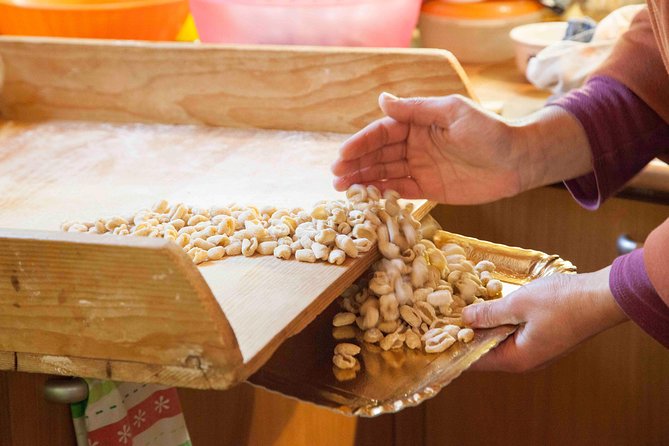
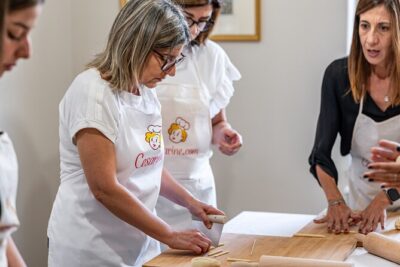
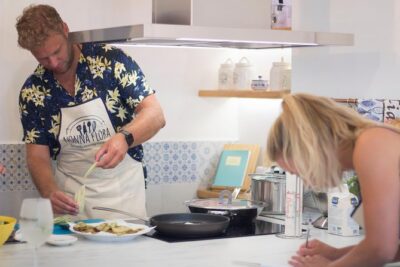
A Cesarine class is set up like a shared dinner night, just with a lesson baked in. You’re not in a studio. You’re in a Bari home, with your host introducing family-style methods and pacing the evening so you can keep up.
In practical terms, that means you learn by doing: forming pasta dough, working the sauces, and assembling tiramisù with the right texture and timing. For me, that beats a quick restaurant-style experience because the goal is skill, not just a plate.
And because it’s capped at a small group size, the host can actually notice when your dough is too dry or when your technique needs adjusting. You’ll get questions answered in the moment, the way you would with relatives who cook every week.
The 3-hour flow: aperitivo, two pastas, and a tiramisù you can repeat
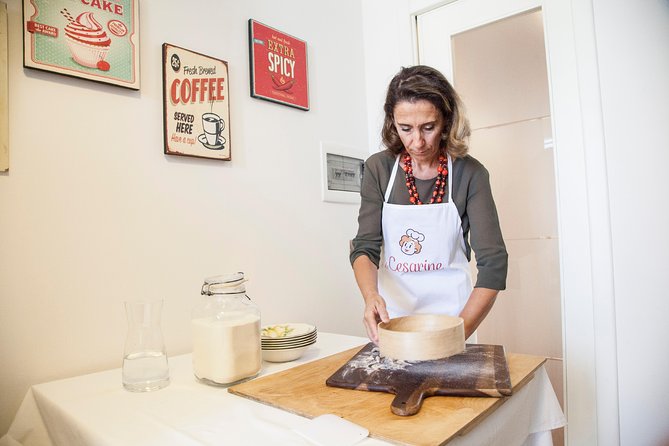
This runs about three hours, with the structure built around a rhythm you’ll want to copy later. You start with an aperitivo, then move into pasta, then finish with tiramisù and a shared tasting.
Step 1: Aperitivo and settling in
Before any flour shows up, you ease into the evening with aperitivo. It’s more than a formality. It helps you meet your host and your small group, and it takes the pressure off so you’re ready to cook without feeling rushed.
Many classes also include a wider spread of bites during the pre-meal window. In similar sessions, you may find antipasto-style items, bread, and wine as part of the hosting style—so come hungry, then prepare to be happily overfed.
Step 2: Pasta from scratch (two recipes)
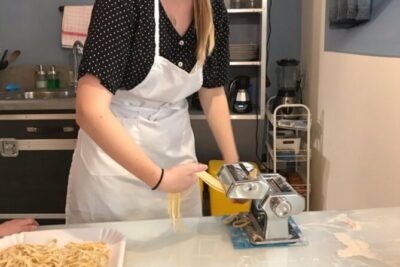
You’ll prepare two separate pasta recipes and traditional sauces from scratch. The exact shapes can vary by host and what’s in season, but you should expect the core Italian pasta skills: mixing and working dough, shaping, cooking, and pairing with a sauce you helped build.
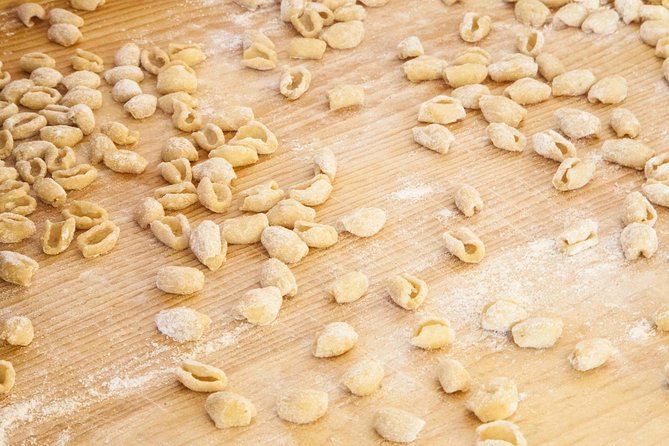
Some guests describe learning classics like orecchiette and ravioli in comparable formats. Even if your exact pasta shapes differ, the takeaway is the same: you learn how to make pasta feel right before it hits the pot, and how to season sauce so it tastes balanced.
Step 3: Tiramisu skills, not just assembly
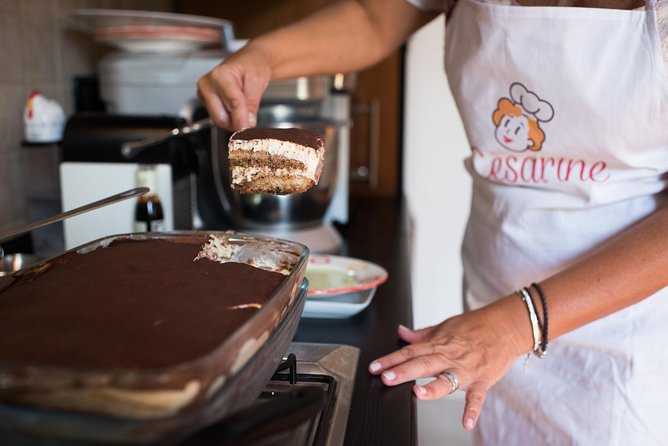
Then you pivot to dessert and work on tiramisù the way Italian home cooks do. You’ll get tips and techniques for a flawless result—especially around the creamy texture and the layering so it slices cleanly.
Here’s the practical value: tiramisù often fails when people either rush the cream, soak too aggressively, or don’t get the balance right. A good host slows you down just enough to do it the right way.
Step 4: You eat what you made
The ending is not a quick taste-and-run. You sit down and eat the pasta and tiramisù you created, with your host guiding you through the final flavors. It’s one of the reasons this class lands as a highlight for so many people: the meal feels earned.
Two pasta recipes and traditional sauces: where the real technique lives
The pasta part is the heart of the class, and it’s where you’ll feel the difference between copying a recipe and understanding what matters. With two pasta recipes, you get repeated practice—useful if you want to recreate it later at home.
Getting dough right
Pasta dough is about feel. The host coaching typically focuses on things like moisture and texture, and what you should look for before you start shaping. Once you learn what consistency means in a real kitchen, it’s easier to fix issues fast—like sticky dough or dough that cracks.
Building traditional sauce
You also work on traditional sauces from scratch. That’s the part many cooking classes skip. Here, you learn how sauce tastes change as it cooks, and how to season so it clings to pasta instead of turning watery.
In Bari and across Puglia, sauce styles can lean into local simplicity. You’ll often see seasonal vegetables show up in the broader table style of these evenings, and that helps you connect the dots between what’s on the plate and what’s grown nearby.
Tiramisu in a Bari kitchen: what makes it sliceable and not soggy
Tiramisu is deceptively tricky for home cooks. It looks easy—until you try to cut it cleanly or taste something that isn’t just sweet, but balanced and creamy.
The class emphasis on techniques is key. You’ll learn what your host watches for during mixing and layering. Then you’ll see the result at the table, which makes the lessons stick.
If you’ve ever had tiramisù that tasted great but collapsed when served, this kind of instruction is exactly where you’ll level up. You’re not only learning ingredients. You’re learning timing and structure.
What you’ll actually eat: aperitivo, antipasto-style bites, and a full table
Even though the menu centers on pasta and tiramisù, the overall hosting style can be broader than those two items. Many guests describe more on the table during the aperitivo and the meal itself.
Common additions include an antipasto platter with meats and cheeses, fresh bread, and wine. Some people also mention extra local plates like zucchini frittata and bruschetta showing up alongside the main dishes.
So what’s the takeaway for you? You’re going to a cooking class that ends like a real dinner. That means you should treat it as a food plan for the evening, not a quick activity you squeeze in between other stops.
Price and value: why $119.48 can make sense in a home-kitchen setting
At $119.48 per person for around three hours, this isn’t a budget snack. But it can still feel like good value when you compare what’s included.
You’re paying for:
- Small-group attention (max 12).
- Two scratch pasta recipes plus sauces.
- Dedicated tiramisù instruction and a tasting.
- The hosting experience: aperitivo and a dinner-table finish.
In other words, you’re buying time with a skilled home cook, plus meals that come out of your own hands. If you’re the type who wants to go beyond eating and actually learn a repeatable skill set, the price often feels fair.
If you’re only looking for a light bite and a relaxed walkaround vibe, you might prefer a cheaper food tour. But if you want to leave with techniques you can use back home, this leans strong on value.
Logistics that matter in Bari: getting to the right home and timing your night
This is near public transportation, and the activity starts and ends back at the meeting point. You’ll also receive confirmation at booking, and your ticket is mobile.
The main planning point isn’t the start. It’s the address. Because the class happens in selected homes, your specific location could be closer or farther from central Bari depending on the host.
Here’s how I’d handle it:
- Save the full directions as soon as you book.
- Give yourself buffer time for local transit or a taxi hop if your host home isn’t right in the center.
- Treat the 3-hour block as a fixed dinner window, not something you can easily stretch.
Also note the class includes hygiene precautions and asks you to follow distancing expectations (with masks and gloves if you can’t stay 1 meter apart). The homes provide basic sanitary supplies like hand towels and sanitizing gel, so you won’t be left improvising.
Who this class is perfect for (and who might want something else)
This fits best if you’re:
- A foodie who wants to learn real kitchen technique.
- Traveling as a couple, small group, or solo and wants an easy way to meet people.
- Interested in Puglia’s cooking culture through a real home rather than a formal restaurant setting.
It also works well if you’re cooking-nerdy, even if you’re not a confident cook. The structure helps you build confidence step by step, and the host pacing keeps it from turning into a frantic kitchen cram session.
You might want to reconsider if:
- You dislike hands-on food activities or you’re aiming for a very light evening.
- You’re very sensitive to location variation and need guaranteed central access without any transit.
A few smart tips to get better results in your pasta and tiramisù
You’ll get the best experience if you show up mentally ready to cook, taste, and ask questions.
- Wear clothes you don’t mind getting a little flour on, because you’ll handle dough.
- Listen for the small consistency cues from your host. Pasta quality is often about texture, not ingredients alone.
- Taste as you go. Sauce seasoning and sweetness control matter more than most people expect.
- If you want to recreate tiramisù later, focus on layering and timing, not just ingredient amounts.
And don’t be surprised if your host brings extra hospitality to the table. Many of these evenings feel generous, not minimal.
Should you book this Cesarine class in Bari?
I’d book it if you want an evening that turns into dinner and a real cooking lesson at the same time. The combination of hands-on pasta plus tiramisu technique, served in a small home setting, is exactly the kind of authentic experience that gives you something lasting after your trip.
Book with extra care if you prefer a very predictable location in the city center. Read the directions, plan for a short transit hop if needed, and you’ll be set.
If you’re in Bari and food is your priority, this is a strong choice.
FAQ
How long is the Cesarine Pasta and Tiramisu class in Bari?
It runs about 3 hours.
What language is the class taught in?
The class is offered in English.
What’s the group size limit?
The experience has a maximum of 12 travelers.
What will I cook during the class?
You’ll prepare two separate pasta recipes and traditional sauces from scratch, then learn tiramisù.
Does the class include food and tasting?
Yes. You start with an aperitivo and finish with a tasting of what you prepared.
Is the meeting point convenient for getting there?
The meeting point is near public transportation.
What is the cancellation policy?
Free cancellation is available up to 24 hours in advance for a full refund. If you cancel less than 24 hours before the start time, the amount paid is not refunded.