REVIEW · VERONA
Verona: Pasta and Tiramisu Cooking Class with Fine Wine
Book on GetYourGuide →Operated by The Roman Food Tour · Bookable on GetYourGuide
Fresh pasta and tiramisu in Verona beats sightseeing. This three-hour class brings you into a real local kitchen, starting with Prosecco and ending with the meal you make.
I love the hands-on structure: you get clear, step-by-step coaching for dough and assembly, including which flour to use and the difference between pasta fresca and pasta secca. I also like the payoff setup—once your pasta and tiramisu are ready, you sit down together with wine to eat what you made.
One consideration: this is built around the traditional recipe, so it uses gluten, dairy, and eggs. Vegan and lactose intolerance are listed as not suitable, and the provider can’t guarantee zero cross-contamination.
In This Review
- Key things that make this Verona class worth your time
- A 3-hour Verona kitchen break from sightseeing
- Prosecco arrival and the restaurant-backstage feel
- Fresh pasta dough: flour choice and fresca vs secca basics
- Tiramisu building: how the steps keep you from messing up
- Wine with cooking and the meal you earn
- Dietary limits, allergies, and what to ask before you book
- Price and value: what $35 really buys you
- What the group energy feels like (and who it suits)
- Should you book this Verona pasta and tiramisu class?
- FAQ
- How long is the cooking class in Verona?
- What is included in the price?
- Is hotel pickup and drop-off included?
- What language is the instructor?
- Is the class wheelchair accessible?
- Do they offer dietary options?
- What about allergies and cross-contamination?
- Is it suitable for young children?
- How much does it cost?
- What is the cancellation policy?
Key things that make this Verona class worth your time
- Prosecco welcome + wine with your meal: you drink as you cook, then eat with a glass alongside your dishes
- Real pasta technique, not just assembly: guidance on dough texture, flour choice, and fresh vs dried pasta basics
- Tiramisu done step by step: you’ll build it carefully rather than guessing your way through
- You eat your work: lunch or dinner is the final course, served right after cooking
- English instruction with hands-on pacing: easy to follow even if you’ve never rolled pasta before
- Dietary limits are real: plan around gluten/dairy/eggs and confirm substitutions for allergies
A 3-hour Verona kitchen break from sightseeing
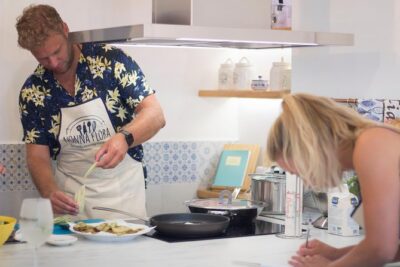
Verona is all angles and alleyways, and after a day of walking, your brain can crave something warm and practical. This class is a focused reset: you trade the sights for a working restaurant kitchen, get a drink right away, and spend the time actually making two classic Italian items.
The duration matters. Three hours is long enough to learn technique, not just watch, but short enough that you’re still free for an evening stroll afterward. It’s also designed to feel social without turning chaotic—your workstations, the guidance, and then the shared meal keep it moving.
You can also read our reviews of more tours and experiences in Verona.

Prosecco arrival and the restaurant-backstage feel
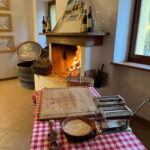
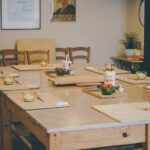
When you arrive at the meeting point (it can vary by option), you step inside and get a welcome glass of Prosecco. It’s a small touch, but it sets the tone: you’re not “visiting a museum,” you’re joining service-style energy in a real dining spot in central Verona.
From there, you’re guided behind the scenes so you can see how an authentic Italian restaurant functions day to day. That matters because cooking classes can sometimes feel staged. Here, the restaurant setting helps you understand the rhythm: prep, timing, and the importance of doing things in the right order.
If you’re the kind of traveler who likes to pick up how locals work, this part is a good match. You’re learning more than recipes—you’re learning how kitchens think about sequence and texture.
Fresh pasta dough: flour choice and fresca vs secca basics
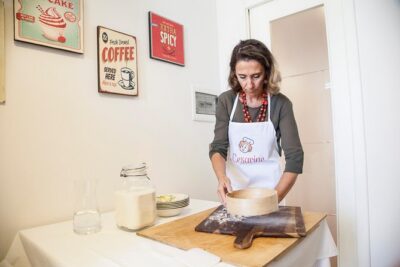
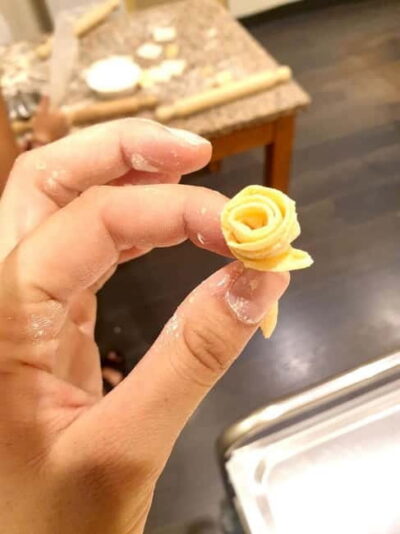
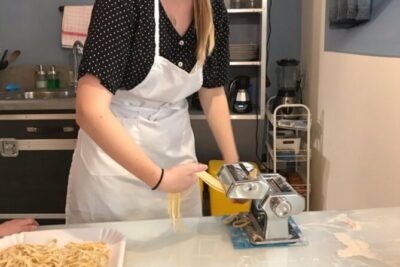
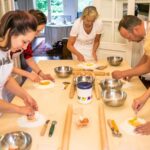
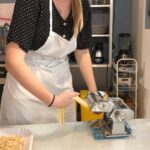
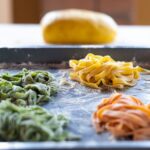
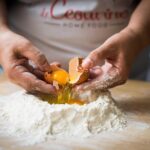
This is where the class earns its spot. You’re taught how to make fresh pasta dough with step-by-step direction, including what flour to use and how fresh pasta differs from pasta secca (dried pasta).
That instruction is more than trivia. If you ever try fresh pasta at home and it falls apart, the root cause is usually one of these:
- dough consistency (too dry or too sticky)
- mixing/handling (overworked or underworked)
- flour behavior (protein level and how it hydrates)
- resting time (when dough relaxes for rolling)
The class coaching is geared toward fixing those issues early. Even if you’ve never rolled dough before, you’ll get the chance to work through the process methodically instead of being thrown into the deep end.
And the fresh vs secca bit helps you understand why your results might change. Dried pasta is made to behave in a different way—fresh pasta is about tenderness and short cooking time, and the dough recipe reflects that.
Tiramisu building: how the steps keep you from messing up
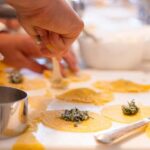
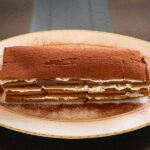
Tiramisu sounds simple until you try it. In this class, the dessert is broken into clear steps so you can actually execute it, not just assemble ingredients.
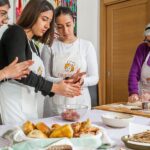
You’ll learn the process to make the tiramisu after your pasta is ready. That pacing is smart. It keeps you from doing everything at once and getting overwhelmed. It also means you stay focused: one main task, then the next.
Another practical benefit: since you’ll sample what you make at the end, you get instant feedback. If something isn’t quite right, you’ll see it on the plate and connect that to your technique.
Also, tiramisu is one of those desserts where people have strong opinions. This class sticks to the traditional method. The goal isn’t to create a trendy variation—it’s to get the fundamentals right so you can recreate it at home.
Wine with cooking and the meal you earn
This experience is built around a simple idea: cook it, then enjoy it properly. You start with Prosecco on arrival. Later, you’ll have two glasses of wine included with your lunch or dinner.
That changes the whole feel of the session. You’re not just eating at the end like a consolation prize—you’re pairing your effort with something that belongs with Italian food. Wine also helps take the edge off if you’re worried about getting things wrong. You can stay calm, laugh a little, and focus on the next step.
One nice bonus from past sessions: some participants have mentioned an extra liqueur moment like limoncello at the end. It’s not listed as a guaranteed inclusion, but it’s the kind of detail that can make the night feel extra special if it happens.
Dietary limits, allergies, and what to ask before you book
If you have dietary restrictions, read this part carefully.
The class notes that it offers substitutes for allergies or food preferences, but the instructions always focus on the traditional recipe, which contains gluten, dairy, and eggs. It also states they cannot guarantee 100% free of cross contamination. You’ll need to inform the provider of your allergies or restrictions when booking.
Now here’s the tricky part: the activity lists dietary options as available (including vegetarian, vegan, and lactose intolerant). But it also lists people with gluten intolerance, vegans, and lactose intolerance as not suitable.
So treat this as a “confirm directly” situation:
- If you need gluten-free, the class lists gluten intolerance as not suitable.
- If you’re vegan, it lists vegans as not suitable.
- If you’re lactose intolerant, it lists lactose intolerance as not suitable.
If you’re dealing with a milder preference or you’re close to the traditional format, you might find substitutions possible. If you’re truly avoiding gluten, dairy, eggs, or any cross-contact risk, you should ask very specific questions before you commit.
Price and value: what $35 really buys you
$35 per person for three hours of hands-on cooking in central Verona is, frankly, strong value—especially because the total package goes beyond instruction.
Included benefits you’re paying for:
- a welcome glass of Prosecco
- guided pasta and tiramisu cooking
- lunch or dinner
- two glasses of wine
So you’re not just paying for a recipe lesson. You’re paying for:
- ingredient time and workspace
- staff-guided technique
- a meal you actually produce
- and the drinks that make it feel like a real evening out
For people who love cooking, this is often a better value than a fancy dinner plus a separate activity, because you get both the learning and the eating in one go.
What the group energy feels like (and who it suits)
This class tends to work best when you’re open to conversation. The format naturally mixes people while you cook and then share the meal together.
From past experiences, instructors like Elodie (and sometimes other English-speaking hosts) have been praised for being friendly, patient, and able to explain steps clearly. That’s important because pasta dough and tiramisu each have a few “you’ll know it when it looks right” moments. A good instructor helps you translate those moments into actions you can repeat.
Who should book:
- couples who want something different from the usual Verona routine
- friends who enjoy learning together
- anyone who wants to leave with recipes they can actually do at home
Who might not love it:
- anyone who needs strict gluten/dairy avoidance
- people who dislike group settings or sitting down with wine
- travelers who want a self-guided experience only (this is structured and instructor-led)
Should you book this Verona pasta and tiramisu class?
I’d book it if you want a memorable Verona evening that’s practical, social, and hands-on. The big win is the combination: you learn fresh pasta dough technique, you build a real tiramisu with step-by-step guidance, and then you eat the results with wine.
I’d hesitate if your dietary needs don’t align with the traditional recipe, or if you have a serious allergy and need zero cross-contamination. In that case, confirm details directly before you commit.
Overall, this is the kind of activity that turns Verona from “pretty photos” into something you can recreate later.
FAQ
How long is the cooking class in Verona?
The experience lasts 3 hours.
What is included in the price?
You get a welcome glass of Prosecco, the pasta and tiramisu cooking class, lunch or dinner, and 2 glasses of wine.
Is hotel pickup and drop-off included?
No, hotel pickup and drop-off are not included.
What language is the instructor?
Instruction is provided in English.
Is the class wheelchair accessible?
Yes, it is wheelchair accessible.
Do they offer dietary options?
The activity says dietary options are available, including vegetarian, vegan, lactose intolerant, and other diets. However, it also lists vegans and lactose intolerance as not suitable, so you should confirm your needs when booking.
What about allergies and cross-contamination?
They may offer substitutes for allergies or food preferences, but the instructions focus on the traditional recipe containing gluten, dairy, and eggs. They cannot guarantee 100% free of cross contamination. You should inform them of your allergies or food restrictions when booking.
Is it suitable for young children?
It is not suitable for children under 3 years, and it is also not suitable for babies under 1 year.
How much does it cost?
The price is $35 per person.
What is the cancellation policy?
You can cancel up to 24 hours in advance for a full refund.
If you want, tell me your dietary needs (even just yes/no for gluten and dairy), and I’ll help you decide if this is a safe fit.