REVIEW · VALENCIA
Valencia: Fresh Pasta Workshop with Lunch/Dinner in the Center
Book on GetYourGuide →Operated by Coolinary Experience · Bookable on GetYourGuide
Fresh pasta starts with your hands. In central Valencia, you’ll learn fresh pasta dough and shape rose-shaped stuffed pasta with an Italian chef, then eat what you make.
What I like most is the practical, repeat-at-home techniques, not just watching. I also love the friendly, professional teaching style, with a real chance to ask questions and get clear guidance.
One thing to consider: this class isn’t suitable for children under 8, so it’s an easy miss if you’re traveling with little kids.
In This Review
- Key things worth knowing before you go
- Where to meet in Valencia (and how the timing works)
- Making dough by hand: the skill you can actually repeat
- Filling, appetizer, and the chef’s approach to flavor
- Pasta machine practice: rolling, cutting, and shaping confidently
- Sharing the meal: what you eat and why it’s part of the point
- Value check: is $88 worth it in Valencia?
- Who should book this pasta workshop (and who should skip it)
- Final call: should you book it?
- FAQ
- How long is the workshop?
- Where is the meeting point in Valencia?
- How much does it cost?
- Do I need cooking experience?
- What languages are used during the workshop?
- What will I make during the class?
- What food is included with the workshop?
- Are there dietary restriction options?
- Is it suitable for children?
- What’s the cancellation and payment flexibility?
Key things worth knowing before you go
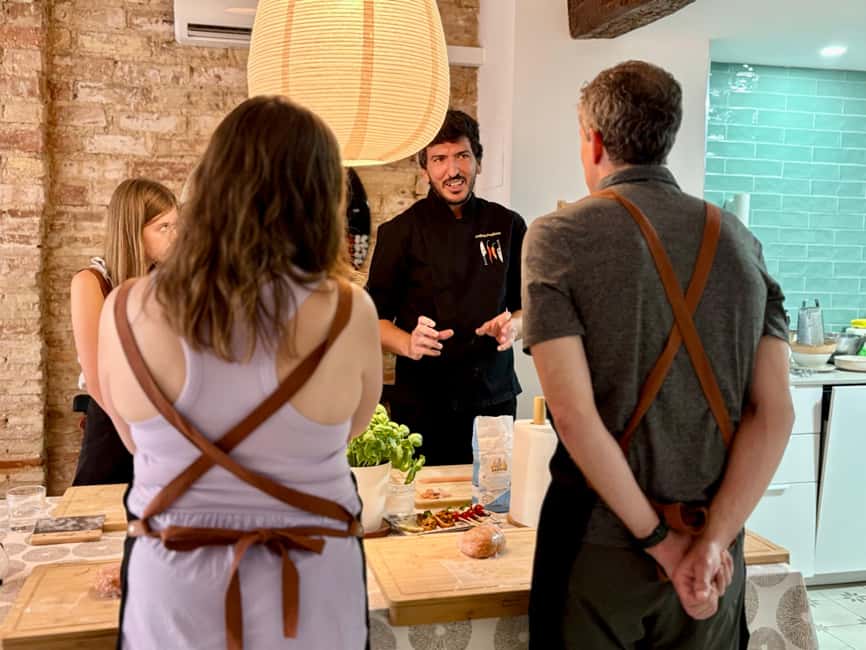
- Hand-made dough, step by step: You’ll form and work the pasta dough by hand while it rests.
- Pasta machine time: You’ll learn how to roll and cut different pasta shapes using the machine.
- A signature rose shape: You’ll make a rose-shaped stuffed pasta, so you leave with a wow-factor skill.
- Small Italian meal, built into the session: You’ll eat the pasta you made plus dessert at the end.
- Multilingual instruction: The chef teaches in Italian, English, and Spanish, so you’re not stuck if your Spanish is rusty.
Where to meet in Valencia (and how the timing works)
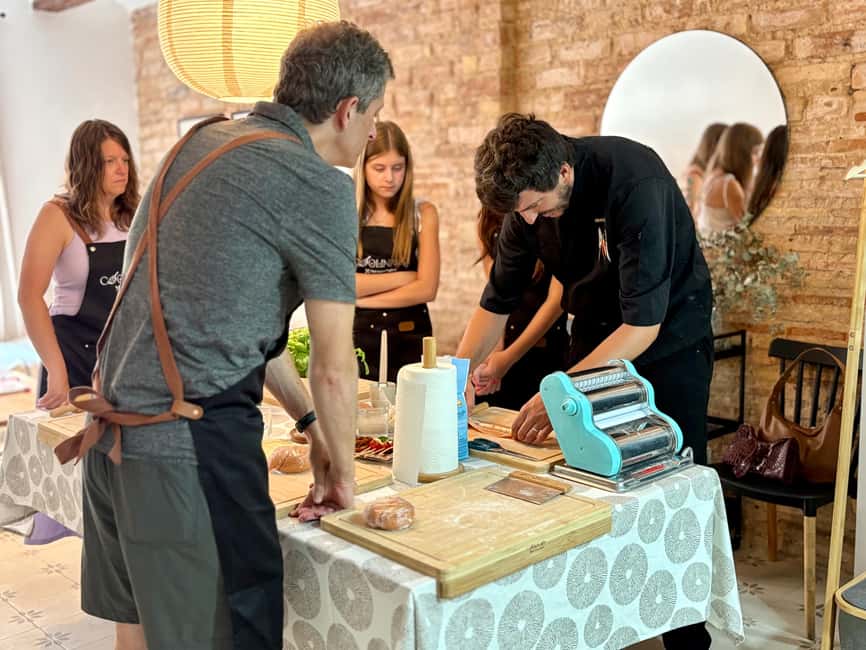
This workshop runs about 2.5 hours, and it’s centered in Valencia in a chef-led setting rather than a large, impersonal demo. Your meeting point is the Coolinary Experience store, right in front of Plaza Vicente Iborra. It’s close enough that you can plan it alongside other central sights, without turning your day into a logistics puzzle.
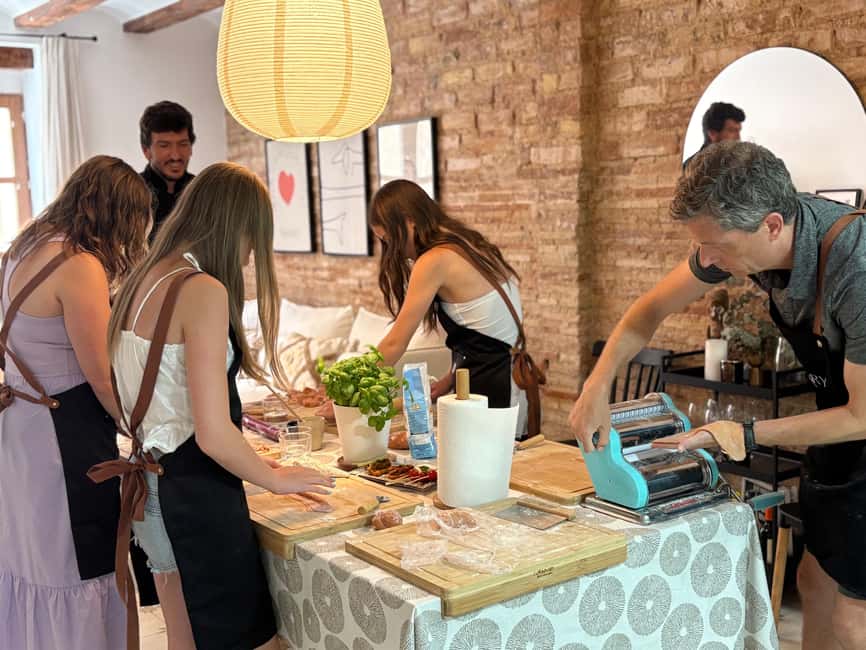
You don’t need any previous cooking experience. The format is hands-on, and instruction is paced so you can keep up. Based on how the class is described, the group gets set up with the tools and ingredients needed, which helps a lot if you’re more foodie than kitchen-expert.
If you’re choosing between lunch and dinner slots, treat the time as part of the experience. You’re not just making pasta and running off. You’re eating together at the end, so plan it like a real meal, not a quick snack.
You can also read our reviews of more tours and experiences in Valencia.
Making dough by hand: the skill you can actually repeat
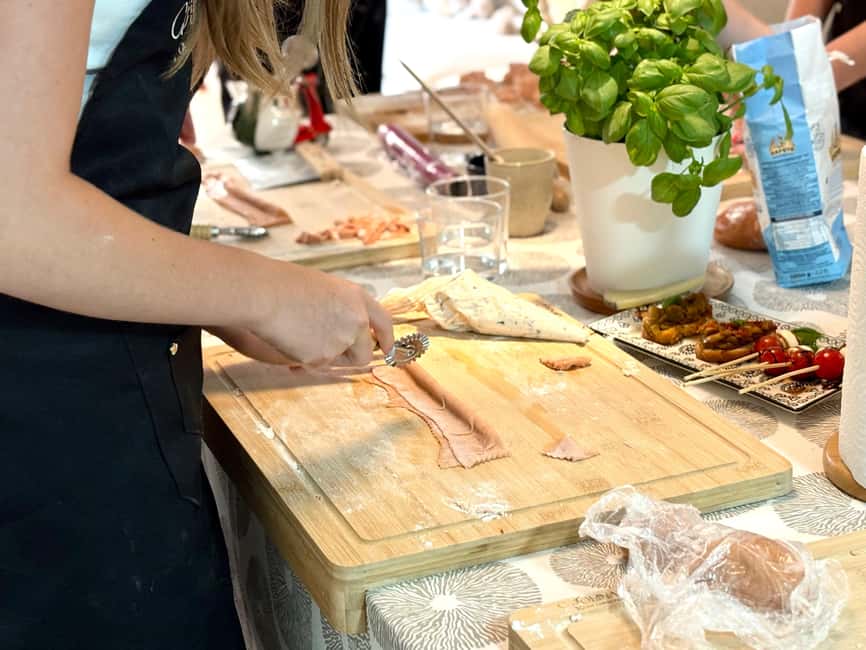
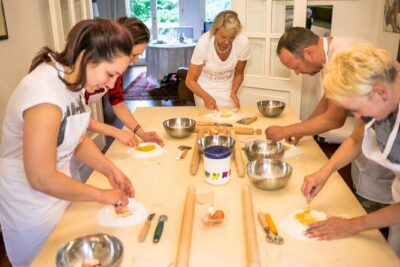
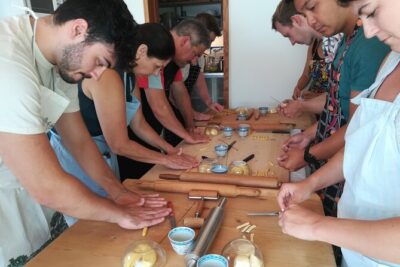
The heart of the class is making the dough from scratch, starting by hand. You’ll go step by step, so you can understand what you’re aiming for as the dough comes together. That matters because pasta success isn’t luck. It’s texture: how the dough feels, how it stretches, and how it handles after resting.
During this stage, the class follows a clear rhythm. You mix and work the dough, then let it rest. That break isn’t filler. Resting helps relax gluten and makes rolling easier later. Even if you never cook pasta at home today, you’ll leave with the practical logic of why the dough needs that pause.
A plus here is that you’ll also learn techniques you can replicate later. Most cooking classes teach one version of a dish. This one is built to teach your hands how to work the dough, so the method transfers to your next attempt.
Filling, appetizer, and the chef’s approach to flavor
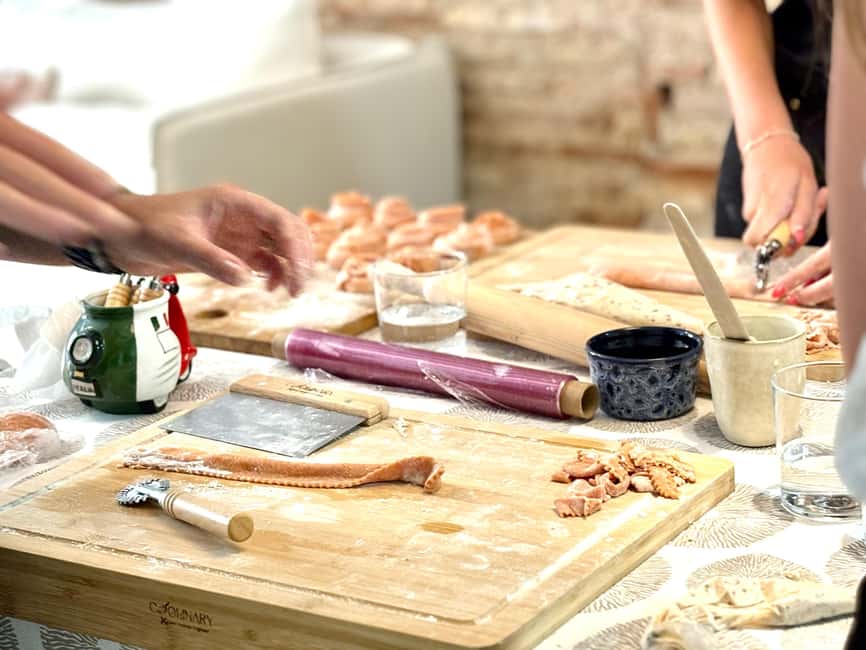
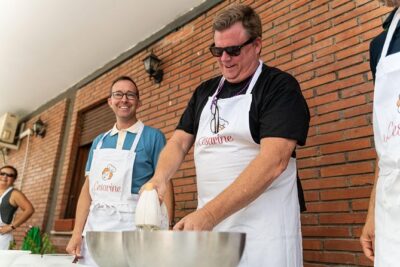
While the dough rests, you switch gears. You’ll make a tasty filling together and learn how the components come together. This part is less about memorizing measurements and more about understanding how the filling works with stuffed pasta.
At the same time, you get an Italian-style appetizer prepared by the chef. It’s a nice way to keep the energy up and to taste what Italian cooking feels like when someone who cooks for a living is steering the session. It also helps you calibrate your expectations before you start shaping your own pasta.
From the way people describe the instruction, the chef teaching approach is clear and organized, with room for questions. That’s not a small detail. Pasta can get confusing fast when you don’t know what you’re aiming for. Here, you can ask, correct, and move forward without feeling lost.
Pasta machine practice: rolling, cutting, and shaping confidently
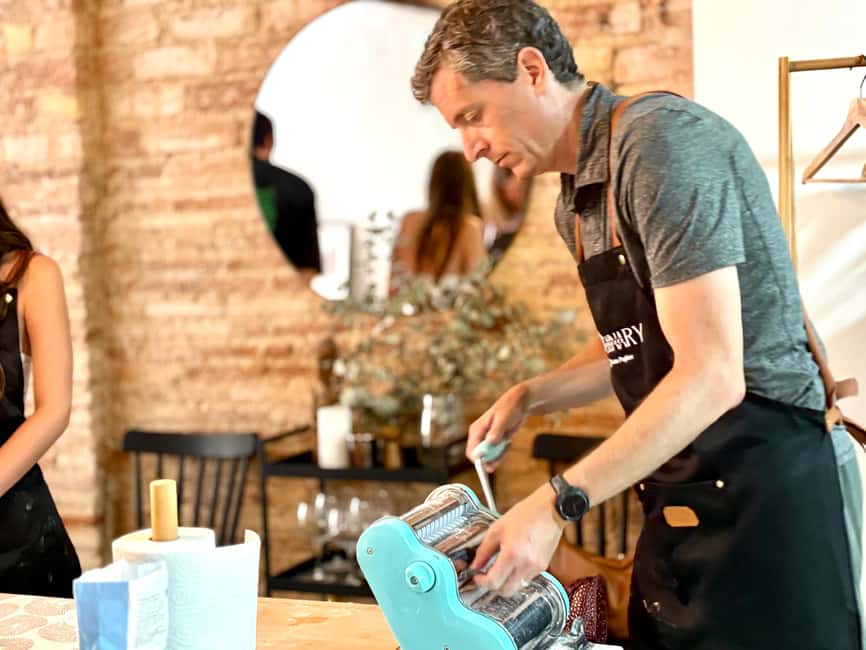
Once the dough has rested, you move to the pasta machine. This is where the workshop turns from fundamentals into confidence. You’ll use the machine to create different types of pasta, learning the workflow so you can go from sheet to shape without it turning into a messy experiment.
There’s a practical advantage to doing this in a guided setting. Rolling pasta is one of those skills where small adjustments matter. If the sheet is too thick, it eats differently. If it’s too thin, it can tear. With instruction, you learn what thickness feels right and how to correct as you go.
Then comes the signature party trick: rose-shaped stuffed pasta. It’s decorative, but it’s also functional. Stuffed pasta needs careful shaping so the filling stays where it belongs and the pasta seals properly. Making a rose shape gives you a memorable result, but more importantly, it forces you to learn the mechanics of stuffing and closing—skills you can reuse for other shapes later.
Sharing the meal: what you eat and why it’s part of the point
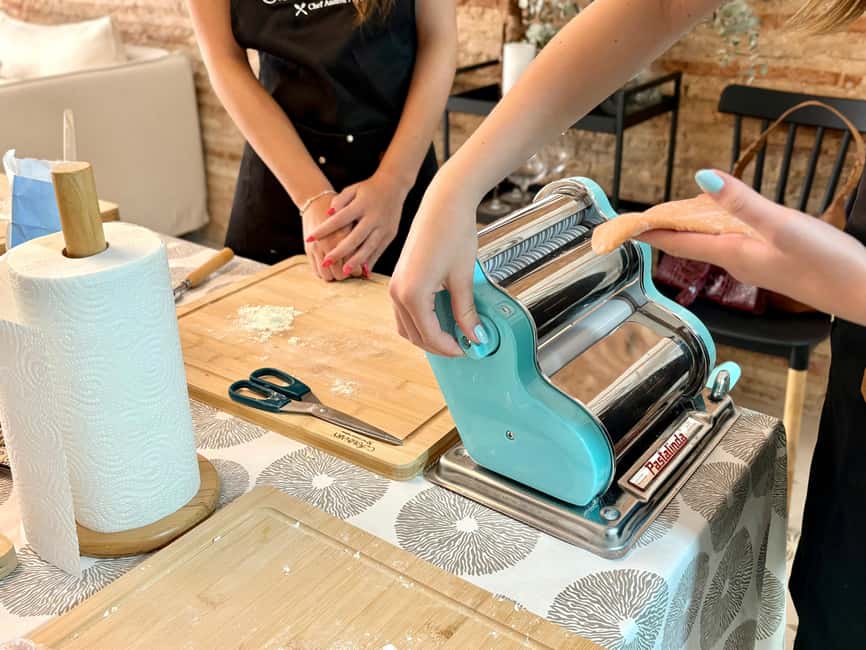
This isn’t a “make it, pose for photos, and leave” setup. You share what you prepared. At the end, you’ll eat the food made during the workshop: the pasta you shaped, plus the earlier chef-prepared items that build out the meal.
You’ll also get a homemade dessert made by the chef. Dessert matters here because it turns the session into a full food experience rather than a skills demo. After 2.5 hours of dough and shaping, you’ll appreciate having a sweet finish that’s been planned as part of the class.
The shared meal component is one of the reasons this format works well for food lovers. You stop thinking like a student and start eating like someone who just learned something real. It’s also a social, low-pressure way to connect, whether you’re traveling solo, as a couple, or in a small group.
Value check: is $88 worth it in Valencia?
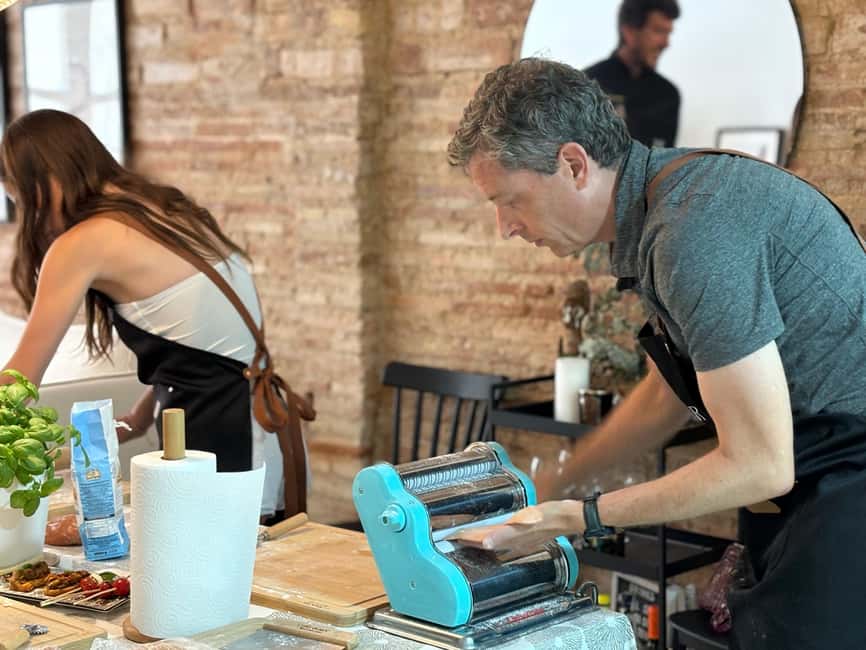
At $88 per person, this workshop isn’t the budget end of the Valencia food scene. The value comes from what you’re paying for: hands-on instruction, ingredients, equipment use (including a pasta machine), and an actual meal at the end.
Here’s how I’d judge the value for you:
- If you want to learn techniques you can repeat, the skill focus makes the price easier to accept. You’re not just tasting.
- If you’d normally pay separately for a cooking experience plus a full meal, the included appetizer, shared pasta, and dessert can help balance the cost.
- If you’re simply hungry and want quick entertainment, a workshop like this will feel pricier than a casual restaurant meal.
Also, the class runs 2.5 hours, which is enough time to learn multiple steps instead of rushing through one quick dish. For many people, that pacing is the difference between coming away with nothing but photos versus coming away with know-how.
Who should book this pasta workshop (and who should skip it)
This workshop is a strong fit if you’re:
- A curious traveler who wants to understand how Italian pasta is built, not just ordered.
- Someone who likes hands-on classes where you can ask questions and correct mistakes.
- A couple, solo traveler, or small group that wants a central, food-focused plan that feels local.
It also fits your skill level if you’re starting from zero. You don’t need cooking experience, and the teaching is described as clear and professional, with a friendly welcome.
The main reason to skip it: it’s not suitable for children under 8. If your group includes younger kids, you’ll need a different kind of activity.
Final call: should you book it?
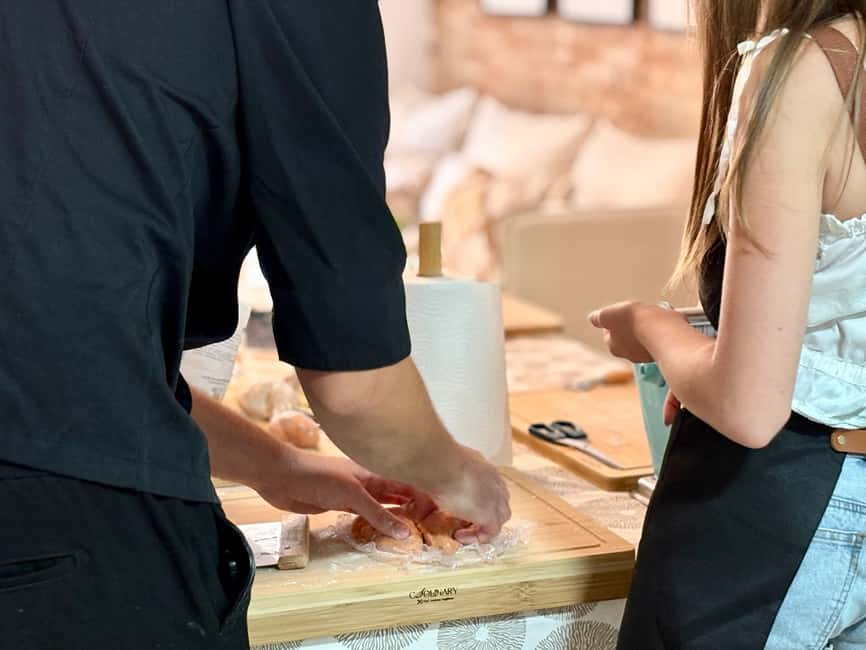
If you want a meal that doubles as a practical skill lesson, I think this is a smart booking in Valencia. You’ll get real pasta-making practice—dough by hand, filling prep, pasta machine use, and a distinctive rose-shaped stuffed pasta—then you eat together with an Italian appetizer and homemade dessert.
Skip it only if you’re traveling with kids under 8 or you’re mainly looking for a cheap, casual food stop. For everyone else, this feels like one of those experiences that gives you something to take home: technique, confidence, and a plate of pasta you helped build.
FAQ
How long is the workshop?
It lasts about 2.5 hours.
Where is the meeting point in Valencia?
Meet at the Coolinary Experience store, in front of Plaza Vicente Iborra.
How much does it cost?
The price is $88 per person.
Do I need cooking experience?
No. You don’t need any previous cooking experience to enjoy the class.
What languages are used during the workshop?
The instructor teaches in Italian, English, and Spanish.
What will I make during the class?
You’ll make fresh pasta dough by hand, prepare a filling, use a pasta machine to create different types of pasta, and make a rose-shaped stuffed pasta.
What food is included with the workshop?
You’ll have a chef-prepared appetizer, water and a drink, eat the pasta you prepare in the workshop, and enjoy a homemade dessert.
Are there dietary restriction options?
If you have dietary restrictions, you should contact the organizer in advance.
Is it suitable for children?
It’s not suitable for children under 8.
What’s the cancellation and payment flexibility?
You can cancel up to 24 hours in advance for a full refund, and you can reserve now and pay later (pay nothing today).