REVIEW · CAGLIARI
Sardinia Cooking Class: Fresh Handmade Pasta
Book on GetYourGuide →Operated by Sardinia To Do · Bookable on GetYourGuide
Flour, hands, and a home in Sardinia. This cooking class in Sinnai, near Cagliari, turns local pasta-making into a real, everyday experience with hosts who invite you into their home kitchen. You’ll learn traditional techniques for Sardinian staples and then sit down together to eat what you helped make.
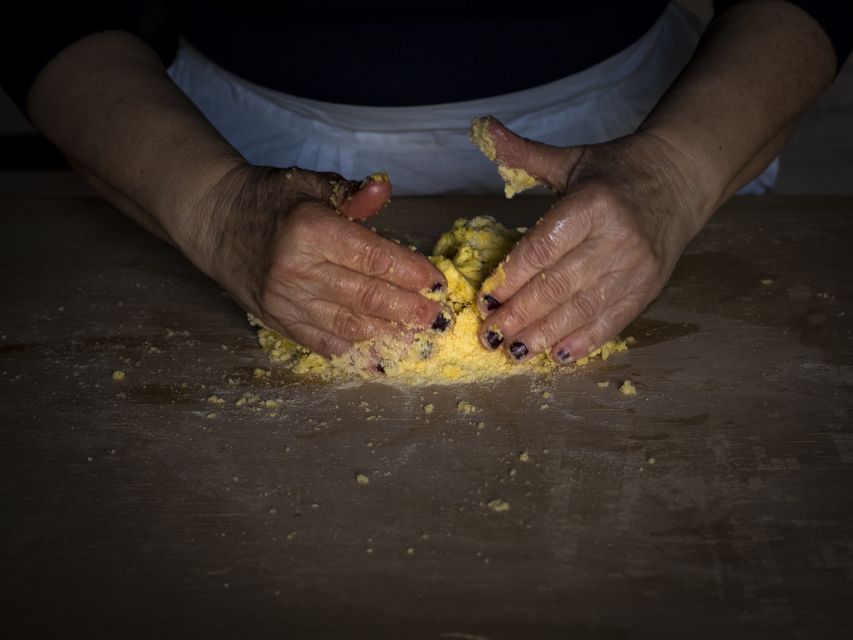
I especially like the hands-on teaching in a small group setting (up to 10 people). You’re not watching from a distance—you’re shaping dough, filling pasta, and picking up the small details that make malloreddus and culurgiones taste like they belong in Sardinia.
One thing to consider: the class happens in a lived-in home where there are cats and a dog. If you have allergies, this isn’t a good fit.
In This Review
- Key points to know before you go
- A Sardinian cooking class in a real home near Cagliari
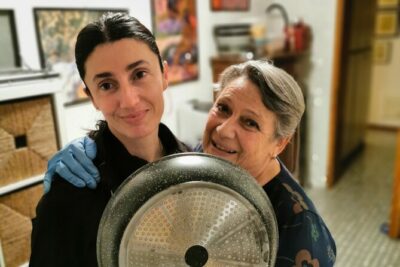
- Meet your hosts: Valerio and Isabella teach with patience
- What you’ll actually make: malloreddus and culurgiones
- Malloreddus (Sardinian gnocchi)
- Culurgiones (ravioli closed in a signature way)
- Extra tastings during the meal
- The flow of the day: from aperitivo to cooking to lunch
- Sardinia through food: what you learn beyond recipes
- Price and value: is $92 fair for what you get?
- Who this fits best (and who should skip)
- A few practical tips to get the best experience
- FAQ
- Where is this Sardinia cooking class held?
- What pasta do I learn to make?
- How long does the class last?
- How big is the group?
- Are lunch and wine included?
- Do I need to speak Italian?
- Is there transportation from Cagliari hotels?
- Are there animals in the house?
- Final verdict: Should you book this fresh pasta class near Cagliari?
Key points to know before you go
- Small group (max 10) means more time with the instructor and less standing around
- You’ll make malloreddus and culurgiones and then eat together afterward
- The setting is a restored Campidanese-style house in Sinnai, near Cagliari
- Expect a relaxed pace with aperitivo and conversation before you start cooking
- Languages include Spanish, English, and Italian for clear instruction
- A key practical note: cats and a dog live in the house, so come prepared if you’re sensitive
A Sardinian cooking class in a real home near Cagliari
Sardinia has a way of making food feel personal. This class is set in the small town of Sinnai, just outside Cagliari, and that matters. Instead of a studio kitchen, you’re stepping into a traditional home where you can see the mud-brick walls and wooden roofs typical of the Campidanese style. It gives the whole day a grounded, local feel—more like you’re being hosted than booked into an activity.
What you do here isn’t just learning recipes. You’re learning how Sardinians talk about food: what they consider worth the effort, what goes into the filling, and why the shape of pasta matters. There’s also a social rhythm to the day. The hosts share a glass of local wine and typical products, and then everyone shifts into “cook and eat” mode.
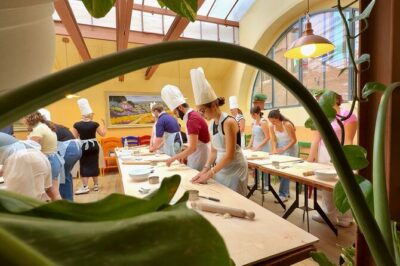
I like that the experience stays human-sized. With a maximum of 10 participants, you get real guidance, and the hosts can correct your technique on the spot. It’s the kind of setup where a beginner doesn’t feel lost—and that shows in the feedback from past participants who repeatedly mention the patient, encouraging tone.
One more practical detail: this is a great option if you want to explore beyond Cagliari proper. You get that classic nearby-town feel without the hassle of planning the trip yourself.
Meet your hosts: Valerio and Isabella teach with patience
The hosts are the heart of this class. Names you’ll likely hear right away are Valerio and Isabella, and a lot of the positive energy comes from the way they teach. The day is interactive. You’re not simply mixing ingredients; you’re guided step-by-step through making pasta from scratch.
From what’s described, the instruction style is calm and practical. People highlight how clearly each stage is explained, and how the hosts make sure everyone gets a turn in the kitchen. That’s especially important when you’re learning shapes like culurgiones, which rely on technique more than memorizing a recipe.
Many guests also talk about the welcome moment before cooking. There’s often aperitivo time together—something light to drink and snack on—set up in a garden or outdoor space when conditions allow. This is one of those experiences where the conversation is part of the lesson. You’ll hear how Sardinia’s food habits connect to family routines and local tradition.
Language support is also a real plus. The live guide supports Spanish, English, and Italian, so you’re less likely to miss key explanations like dough consistency, filling texture, or how to seal pasta properly.
If you prefer a fast-paced, “chef shows you once, then good luck” style, this probably won’t match that. This one is about slow learning and shared work.
What you’ll actually make: malloreddus and culurgiones
This class focuses on two Sardinian pasta types you’ll make with the hosts:
Malloreddus (Sardinian gnocchi)
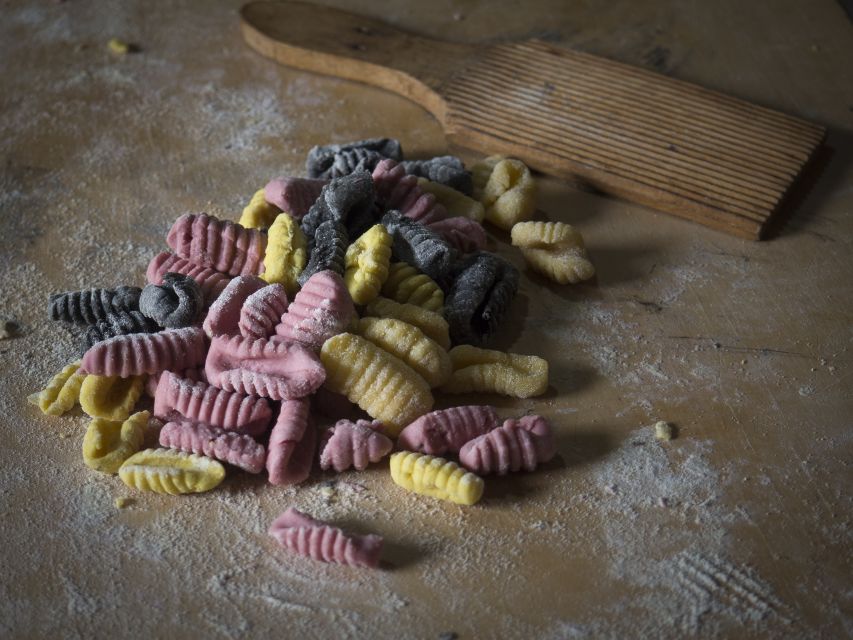
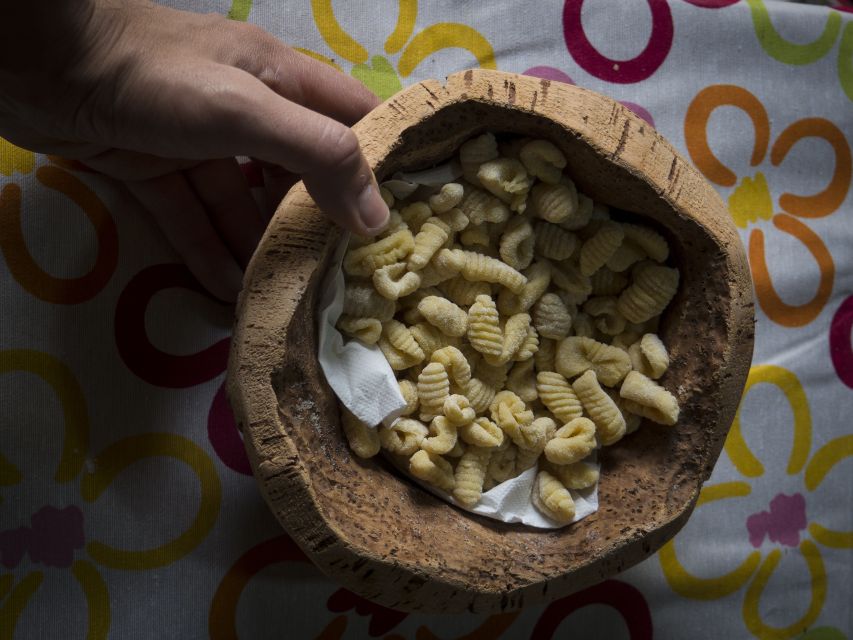
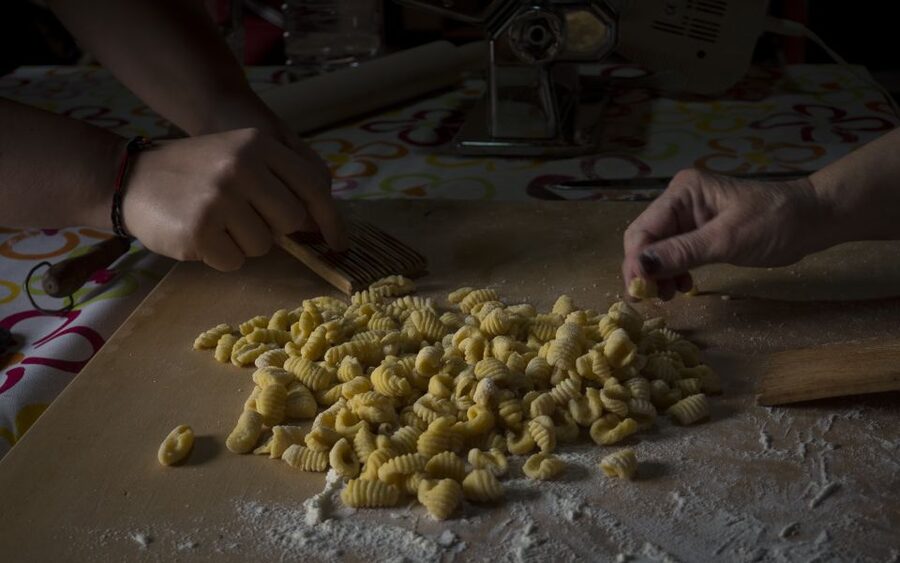
Malloreddus are often compared to gnocchi, but they’re distinctly Sardinian. The key here is that you’re not just forming dumplings—you’re learning how the pasta should feel and how the ridges and shape help sauces cling.
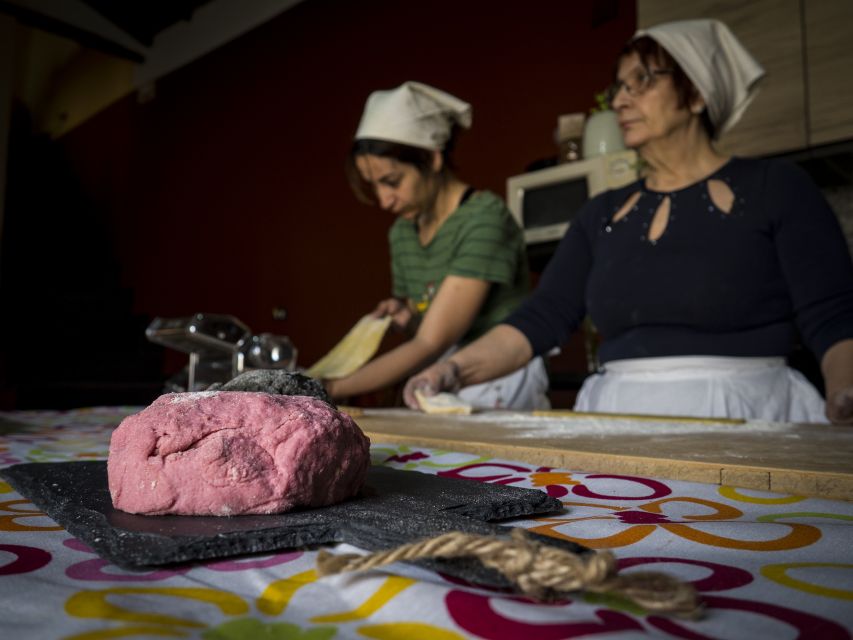
You’ll spend time working the dough and forming the pasta. That hands-on stage is a big reason this activity earns such strong reactions. People like that it’s not overly theoretical; you’re doing the work, and you can see what changes when the dough is right.
Culurgiones (ravioli closed in a signature way)
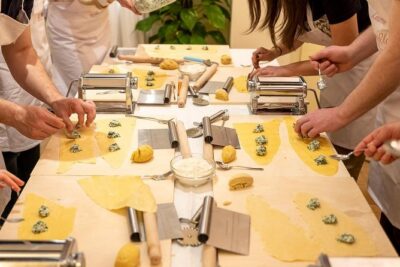
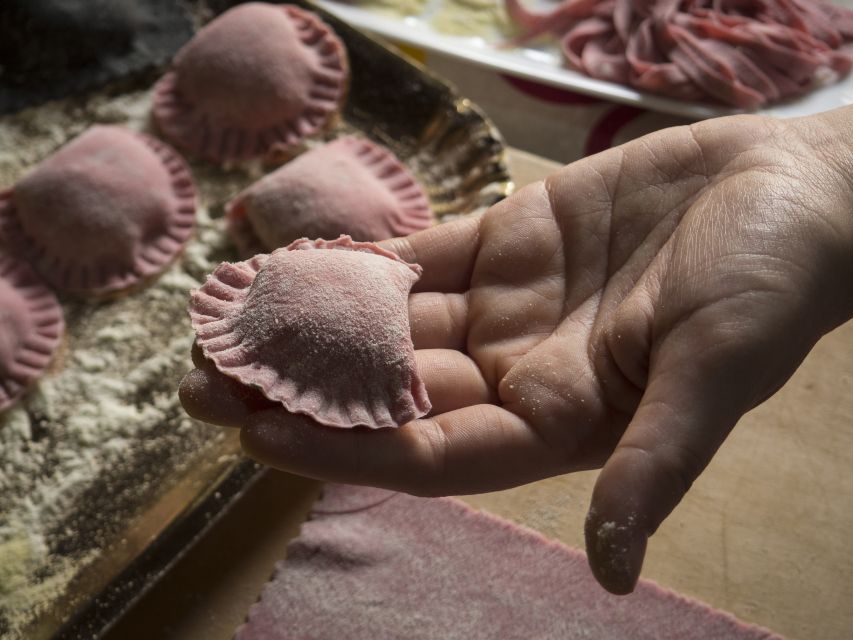
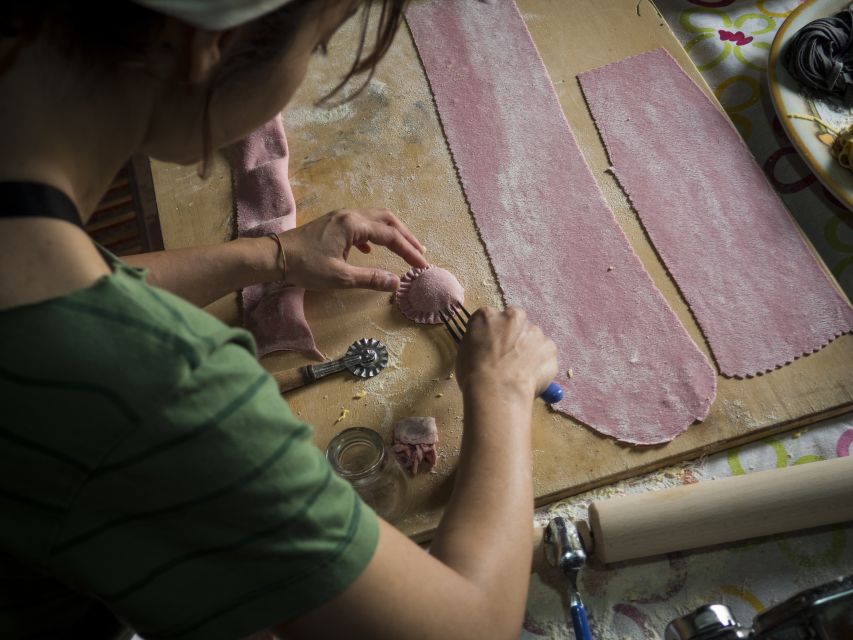
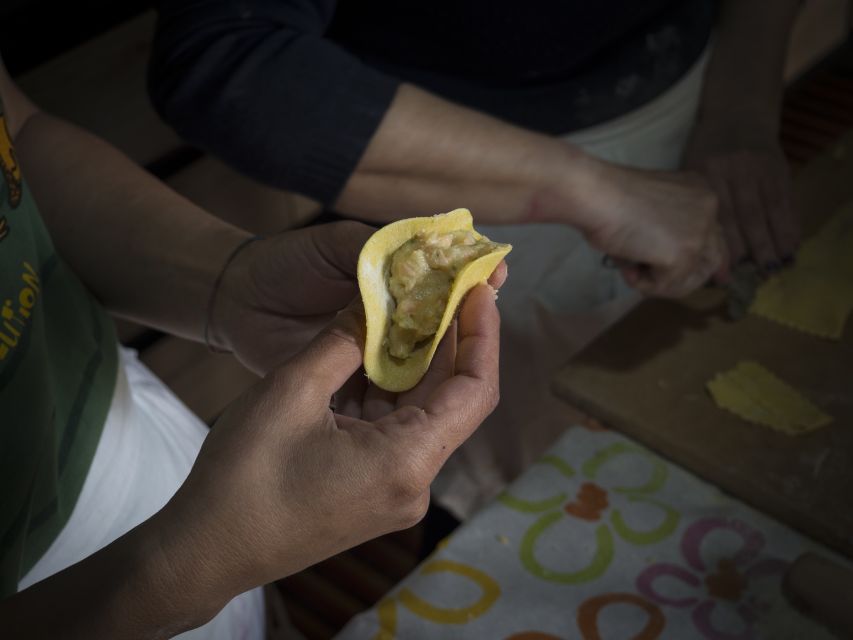
Culurgiones are ravioli-like, but the closure method is the star. They’re shaped and sealed in a particular way that gives you the classic look—and it’s also where technique matters most. Guests repeatedly mention how the hosts explain steps patiently, which is reassuring if you’re not naturally “handy in the kitchen.”
The payoff is twofold: you create the pasta and you also learn how Sardinians think about form. The way culurgiones are closed isn’t just for looks; it’s part of making sure filling stays where it belongs.
Extra tastings during the meal
Even though you’re taught to make two types, the meal includes tastings beyond those. You’ll taste Sardinian ravioli, plus culurgione and malloreddus during the shared lunch. So you get a fuller sense of the menu, not just the one dish you practiced making.
The flow of the day: from aperitivo to cooking to lunch
Timing is flexible within a 3 to 5 hour window, depending on the class start time you select. The structure stays consistent: arrive, get welcomed, then work through the pasta process, and finish by eating together.
Here’s how the day typically feels in practice:
1) Welcome and aperitivo
You arrive and you’re greeted in a way that feels like a host receiving guests, not a business checking names at a door. Many people mention coffee and small bites on arrival, followed by aperitivo time.
2) Hands-on pasta-making
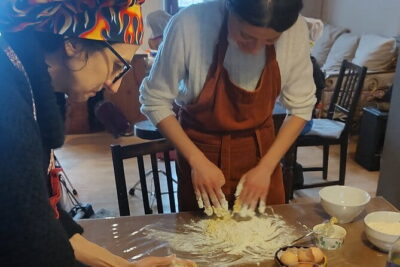
You’ll work with the hosts to prepare dough and filling, then shape the pasta. Since the group is capped at 10, you’re likely to get plenty of “try this, now do it again” moments until your pieces look right.
3) Cooking and eating together
After the shaping, the pasta gets cooked, and you sit down as a group. Multiple people note the social side: conversation at the table, garden or patio time, and feeling included in the meal rather than rushed through it.
4) Wine and typical products
A glass of local wine is part of the meal experience. Lunch and wine are included if you select the option—so double-check what’s chosen when you book.
A small detail that matters for enjoyment: you’re eating food you helped make. That sounds obvious, but it changes the mood. You’ll be able to compare how your own technique turned out versus the host’s, and that turns the meal into a lesson you can taste.
Sardinia through food: what you learn beyond recipes
This is a cultural class disguised as pasta-making, and that’s why it lands so well. You’re learning Sardinia from the inside—through local habits, local talk, and a home environment shaped by the Campidanese house style.
When hosts explain the pasta, they’re also sharing why it matters:
- What local ingredients and textures are considered right
- How family meals often revolve around seasonal, traditional dishes
- Why pasta shapes are treated like craftsmanship, not shortcuts
Also, the experience isn’t purely “Italian countryside fantasy.” It’s set in a working community. Sinnai isn’t a postcard village designed only for tourists. You’re seeing a real town and spending time in an actual home.
One more thing: the class is described as suitable for animal lovers in a familiar environment, but the animal presence is real. Cats and a dog live on-site, so you’ll see them during the experience. People who love animals usually think it adds warmth and character. If you’re anxious around pets, this can shift the mood.
Price and value: is $92 fair for what you get?
At $92 per person, you’re paying for more than dough and sauce. You’re paying for:
- A small-group teaching setup
- Instruction in traditional Sardinian pasta techniques
- A home setting in Sinnai, near Cagliari
- Time spent eating together, with local wine and typical products (lunch and wine depend on the option you choose)
So the value depends on your priorities. If you want a quick cooking demonstration with minimal hands-on time, this may feel expensive. But if you want a real chance to make pasta—two specific types, with help—plus sit down for a shared meal, the price starts to make more sense.
There’s also a practical value lever: transfer is available on request, with free pickup at hotels in the Cagliari area up to 20 km. Convenience cuts costs in time and stress, especially if you don’t want to figure out local transport after cooking.
Still, one caution from feedback is worth respecting: a small number of people felt the activity could be overpriced for the setting. My take: if you come hungry for hands-on learning and don’t mind that you’re in a lived-in home (not a hotel kitchen), you’ll likely see the price as fair.
Who this fits best (and who should skip)
This is best for you if:
- You enjoy hands-on cooking and want to learn by doing
- You like small groups and personal instruction
- You want an authentic Sardinian experience close to Cagliari, without the crowds
- You’re curious about pasta shapes like culurgiones and the technique behind them
It’s not ideal if:
- You have animal allergies (cats and a dog live in the house)
- You want a fully sterile, pet-free kitchen
- You’re only interested in eating and don’t care about cooking practice
It also tends to work well for people who like conversation. Several guests mention good chatting and feeling welcomed into the family rhythm of the day.
A few practical tips to get the best experience
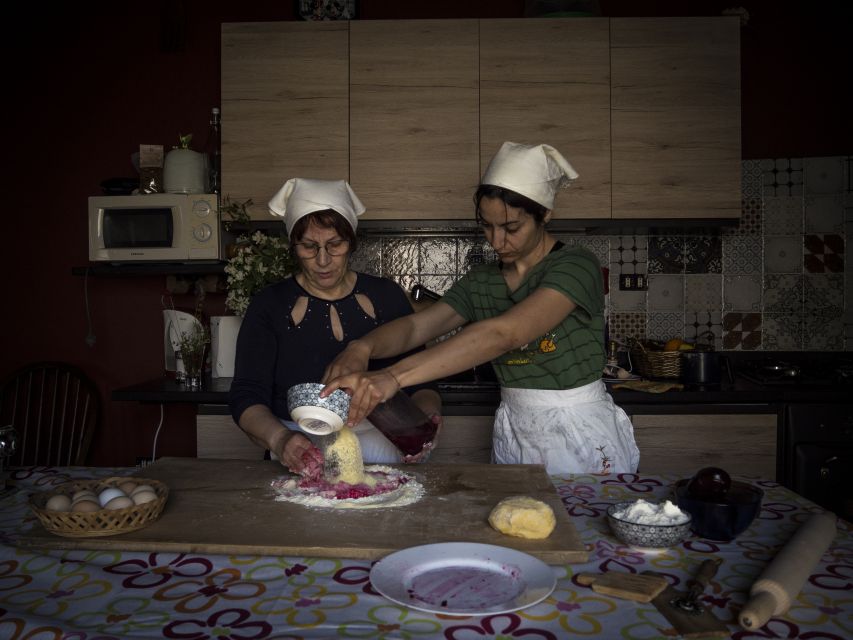
I’d plan for comfort. You’ll be working dough, and your hands may get flour on them. Wear clothes that tolerate a little mess.
Also:
- Tell your host about any dietary needs when you book. Dietary requirements are specifically requested at booking time.
- Decide whether you want the lunch-and-wine option before you finalize your plan. The base included items cover lunch and wine only if selected.
- If you’re traveling from Cagliari, ask about transfer early. Free pickup is available in the Cagliari area up to 20 km when requested.
FAQ
Where is this Sardinia cooking class held?
It’s held in Sinnai, Sardinia, near Cagliari, in a traditional house where the hosts guide the class.
What pasta do I learn to make?
You learn to make two traditional types: malloreddus (Sardinian gnocchi) and culurgiones (Sardinian ravioli shaped and sealed in a specific way).
How long does the class last?
The experience runs about 3 to 5 hours.
How big is the group?
The class is a small group limited to 10 participants.
Are lunch and wine included?
Lunch and wine are included if you select the option during booking.
Do I need to speak Italian?
No. The live guide provides instruction in Spanish, English, and Italian.
Is there transportation from Cagliari hotels?
Yes. Transfer is available on request, with free pickup at hotels in the Cagliari area up to 20 km.
Are there animals in the house?
Yes. The house has cats and a dog, and it’s noted as not suitable for people with animal allergies.
Final verdict: Should you book this fresh pasta class near Cagliari?
If you want real Sardinia, this is an easy yes. You’ll get a small-group, hands-on lesson making malloreddus and culurgiones, then you’ll eat what you made with wine and typical products in a home setting near Cagliari.
Book it if you’re happy to learn through doing and you don’t mind that it’s a lived-in house with pets. Skip it only if animal exposure is a problem for you. If that checks out, this is the kind of day that sticks—because you don’t just watch Sardinian pasta get made. You help shape it, cook it, and share the table.