REVIEW · FLORENCE
Pasta Cooking Experience in Florence
Book on Viator →Operated by Hidden Experiences · Bookable on Viator
Fresh pasta beats restaurant food. This class turns Florence into a working kitchen, where you make multiple handmade pastas and sit down to taste what you cooked.
I especially like the small group size (up to 20), which keeps the pace friendly, and the fact that the instructors guide you step-by-step and you leave with recipes you can actually use later.
One thing to consider: don’t assume a market-and-shop stop is part of the experience. If you’re expecting that extra stop, you might be disappointed, and the cooking space can feel more functional than charming.
In This Review
- Key Highlights at a Glance
- Why a Florence Pasta Class Beats Another Food Tour
- Price and Timing: What $86.50 Buys You
- Meeting Point and Location in Florence (Where You Start Matters)
- Your 3-Hour Flow: From Dough Steps to a Shared Meal
- The Pasta Lineup: Tagliatelle Ragù, Gnocchi, and More
- Tagliatelle with Ragù (Meat or Vegetable)
- Gnocchi
- The Third Handmade Pasta
- Sauces You Actually Need to Know in Italy
- Dessert: The Sweet Finish You’ll Be Glad Exists
- Wine, Water, and the Communal Table Moment
- Vegetarian Option: How This Class Helps You Plan
- What the Instructors Do Well (Names You Might Hear)
- Pace, Group Size, and Comfort Level for Beginners
- What to Bring and How to Prepare for Success
- Who Should Book This (And Who Might Skip It)
- Should You Book This Florence Pasta Cooking Experience?
- FAQ
- How long is the pasta cooking class in Florence?
- What is the price per person?
- Where do I meet for the class?
- Is the class in English?
- Is there a vegetarian option?
- Are water and wine included?
- How many people are in the class?
- Is free cancellation available?
Key Highlights at a Glance
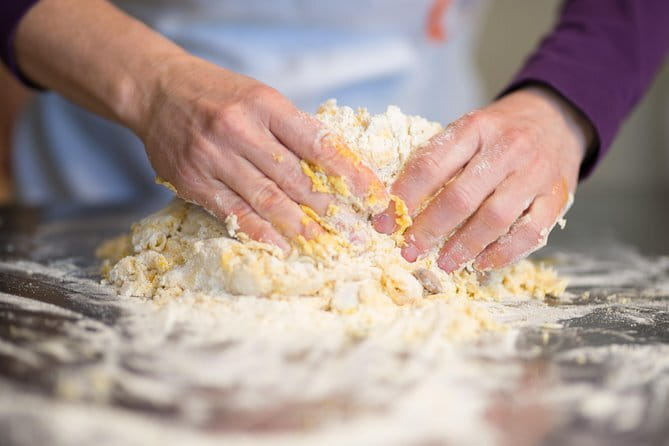
- Hands-on pasta making with multiple doughs and sauces
- Wine and water included during your meal
- Food tasting of what you cook, served communal-style
- English instruction in a small class (max 20)
- Vegetarian option available
- Recipes provided so you can repeat it at home
Why a Florence Pasta Class Beats Another Food Tour
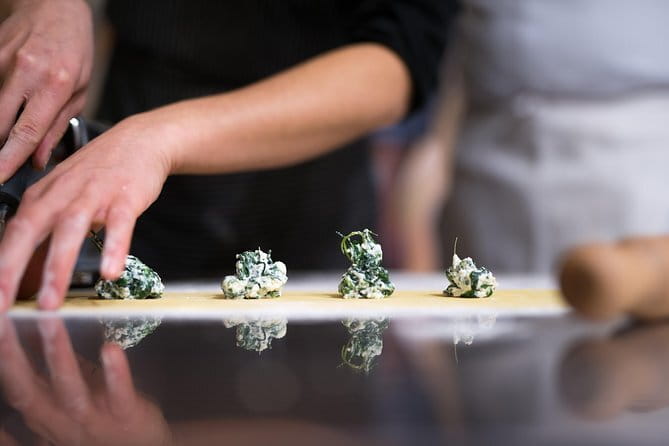
Florence is full of great eating, but this is different. You’re not just sampling. You’re making. In about three hours, you’ll go from dough to plated food, with an instructor steering you through the steps at a pace that works even if you’re new to cooking.
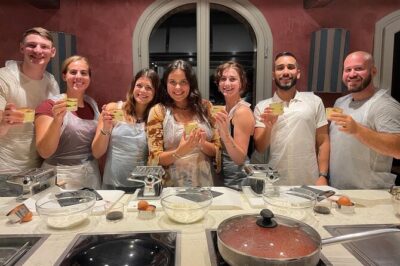
The class also has that real “Italian household energy.” You work with other people, you laugh when the dough does its own thing, and then you sit down together. That rhythm matters, because cooking classes can become either overly scripted or strangely vague. Here, the structure is strong: you make, then you eat what you made.
And yes, it’s in the city center—close enough that you can build it into a normal day without losing half your trip to transit.
You can also read our reviews of more tours and experiences in Florence.
Price and Timing: What $86.50 Buys You
At $86.50 per person for roughly 3 hours, you’re paying for three things: instruction, ingredients, and the full tasting meal (not just a bite or two).
Most budget worries vanish once you see the basics of what’s included:
- Water and wine
- A full food tasting at the end (you eat what you produce)
- A class format that focuses on results, not just theory
If your idea of “value” is taking home a skill you’ll use again, this one has an edge. Many classes teach you techniques but leave you with nothing tangible. Here, you’re given recipes at the end, which turns this from a fun day into something you can recreate.
Time-wise, three hours is a sweet spot. It’s long enough to make real progress—especially with pasta and sauce. It’s short enough that you can still plan an evening stroll after.
Meeting Point and Location in Florence (Where You Start Matters)
You meet at Via Camillo Cavour, 180, 50121 Firenze. The class ends back at the same meeting point.
Two practical wins here:
- You’re in a central area, so it’s easy to reach.
- It’s near public transportation, which helps if you’re juggling trains, buses, or walking between sights.
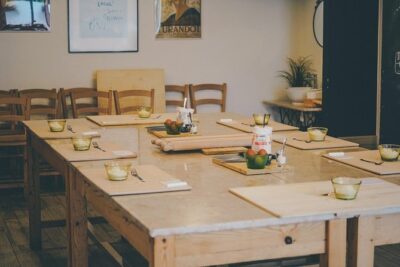
Also, this is one of those activities where arriving a few minutes early pays off. Some sessions can have construction happening right outside the storefront area. It won’t stop the class, but it can make finding the entrance feel slightly awkward if you show up right on time.
Your 3-Hour Flow: From Dough Steps to a Shared Meal

The day is built around a simple idea: cook together, then eat together.
Here’s what the flow feels like in practice:
- You start at the teaching location in the Florentine city center.
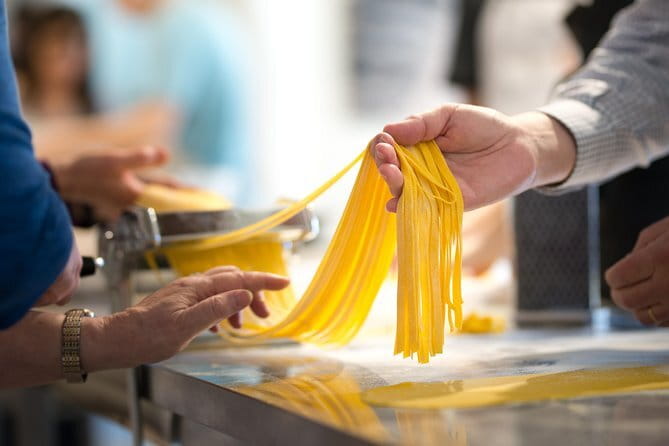
- You work hands-on on three homemade pasta preparations, each paired with sauces.
- You finish with a dessert.
- Chefs then help move things along so the food makes it to the table.
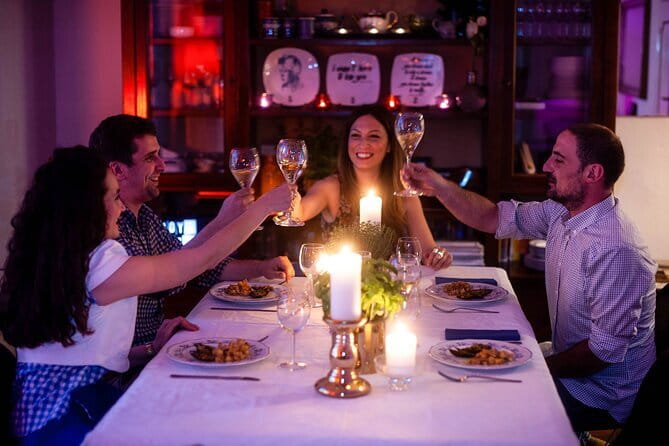
- Finally, you sit down for a communal tasting, with wine and water.
That shared meal part is where a lot of classes either fall flat or shine. In this one, the meal is clearly part of the point, because you’re tasting what you made—not just watching someone else’s finished plate.
If you’re someone who gets restless waiting for others in group settings, you’ll likely enjoy how the work is organized. With up to 20 people, you’re not stuck behind a crowd.
The Pasta Lineup: Tagliatelle Ragù, Gnocchi, and More
You can plan your expectations around a few anchors.
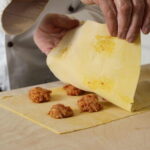
Tagliatelle with Ragù (Meat or Vegetable)
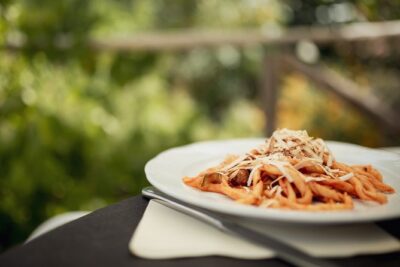
One of the main dishes is tagliatelle with ragù. The ragù can be meat-based or vegetable-based, and there’s also a vegetarian option available for the class.
This is a great choice for a cooking class because ragù teaches more than one skill:
- building flavor over time
- balancing ingredients
- learning how sauce clings to pasta
Gnocchi
You also make gnocchi. Gnocchi is one of those dishes that looks simple until you try it. Getting the texture right matters, and it’s exactly the kind of hands-on experience that sticks with you.
The Third Handmade Pasta
The class is designed around three handmade pastas. The sample menu names tagliatelle and gnocchi, but the overall structure includes a third pasta preparation as part of the hands-on sessions.
In other words: you’re not doing one pasta and calling it a day. You get enough variety to feel like you learned something real, not just repeated one technique.
Sauces You Actually Need to Know in Italy
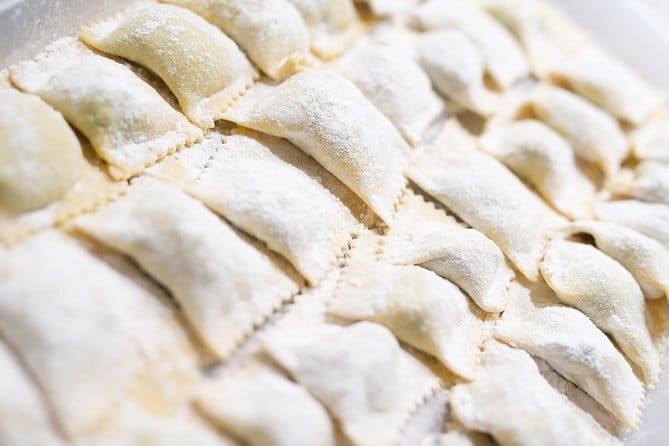
Pasta is fun, but sauce is where Italy separates itself from “average.” This class leans into that.
You’re working through sauces that include meat and vegetables alongside the pasta, and that means you learn how different flavors behave. Tomato-based sauces behave differently from buttery or herb-forward finishes. Vegetable ragù teaches you how to make plants taste deep, not “light.”
Even if you forget details later, you’ll remember the idea: pasta is a base, but sauce decides the personality.
Dessert: The Sweet Finish You’ll Be Glad Exists
After the pasta work, you get a dessert—described simply as a sweet finish in the menu.
In cooking classes, dessert can be either an afterthought or a moment. Here, it’s part of the planned structure, which helps keep the class from feeling like nonstop savory labor until you’re too tired to care.
And because you eat what you make, it’s not just a “watch the chef do it” ending. It’s part of the tasting meal.
Wine, Water, and the Communal Table Moment
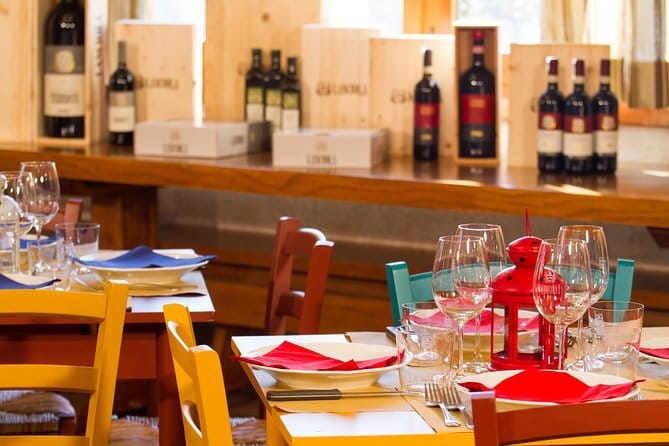
A lot of cooking experiences say wine is included. The difference here is that it’s tied to the meal at the end, where you’re actually eating your own work.
That communal table matters for two reasons:
- It makes the experience social without feeling like a forced networking event.
- It keeps the focus on enjoying the results, not just surviving the cooking.
You’ll be drinking wine and water during the tasting, which is a nice match for Italian food. Even if you don’t drink much, water keeps it comfortable, and the meal is still the main event.
Vegetarian Option: How This Class Helps You Plan
If you eat vegetarian, you’re not stuck searching for a side salad.
The class includes a vegetarian option, and the tagliatelle dish specifically notes meat or vegetable ragù. That tells you the vegetarian path is built into the main structure, not added as an afterthought.
When you book, it’s worth confirming the vegetarian selection so you know exactly what your meal will include during the tasting.
What the Instructors Do Well (Names You Might Hear)
Good cooking classes don’t just teach steps. They manage the room.
From what’s been shared, instructors can be very patient and interactive, with names like Katarina, Francesco, and Greta mentioned as leading groups. The teaching style tends to be calm and guided, so you can keep up even when your dough needs a second try.
There’s also a reality check: the prep area can get loud at times because the space is practical and the group works close together. If you’re sensitive to noise, plan for it. The upside is you’re not standing around watching—you’re doing.
Pace, Group Size, and Comfort Level for Beginners
This class works for both novice and more experienced cooks. Beginners get enough guidance to finish strong. More confident cooks get room to participate without feeling like they’re just “tourists with an apron.”
Because the group is capped at 20, the instruction doesn’t get lost in a sea of people. You’re more likely to hear the key steps and correct mistakes before they turn into a plate of regret.
Still, remember this is a 3-hour session. Steps overlap. You won’t have unlimited time to rehearse every motion slowly. The good news is that you’ll likely receive recipes at the end, so you can replay the process later at home.
What to Bring and How to Prepare for Success
You don’t need special gear based on the information provided, but you can set yourself up for a smoother class.
My practical advice:
- Wear something you don’t mind getting a little flour on.
- Arrive a few minutes early so you can settle without rushing.
- If you’re planning other activities after, give yourself a short buffer. Your hands will work, and you’ll be eating well.
If construction is visible outside the storefront in your session time, don’t panic. Just follow the directions you received at booking and focus on the meeting point address.
Who Should Book This (And Who Might Skip It)
This pasta class is a good fit if you want:
- a hands-on Florence experience beyond sightseeing
- a small group cooking session with a clear meal at the end
- wine and water included with a communal tasting
- recipes you can use after you get home
It might not be perfect if you’re hoping for a more dramatic, storybook style food tour—like a big market walk that sets up the ingredients. The class focus stays on cooking, sauces, and the meal.
Also, if you strongly prefer quiet, private cooking (instead of a shared group room), you might find the space feels a bit functional and busy.
Should You Book This Florence Pasta Cooking Experience?
I’d book it if you want a high-success cooking day. You get clear structure: you make pasta, you handle sauces, you finish with dessert, then you eat the results with wine and water.
The value is strongest for people who care about leaving with skills and recipes, not just a full stomach. And the small group size keeps it from feeling like an assembly line.
If you’re deciding between this and a more wandering food tour, pick this when you want to do. Pick the other option when you want to watch and graze. For a cook-and-eat Florence memory, this one is an easy yes.
FAQ
How long is the pasta cooking class in Florence?
It runs for about 3 hours.
What is the price per person?
The price is $86.50 per person.
Where do I meet for the class?
You meet at Via Camillo Cavour, 180, 50121 Firenze FI, Italy.
Is the class in English?
Yes, it’s offered in English.
Is there a vegetarian option?
Yes, a vegetarian option is available.
Are water and wine included?
Yes. Water and wine are included as part of the experience.
How many people are in the class?
The class has a maximum of 20 travelers.
Is free cancellation available?
Yes. You can cancel for a full refund up to 24 hours in advance of the experience start time, and free cancellation is listed as available.