REVIEW · VOLTERRA
Volterra: Fresh Pasta Cooking Class at a Tuscan Farmhouse
Book on GetYourGuide →Operated by Agriturismo Biologico Diacceroni · Bookable on GetYourGuide
Flour on your hands beats a museum. This Volterra-area cooking class turns a working farmhouse into your pasta studio, with farm-sourced ingredients and three traditional pasta shapes to learn. I also love that your meal comes with a glass of Diacceroni wine, so the time at the table feels part of the lesson, not an afterthought.
The main trade-off is logistics: no hotel pickup, and you meet at the Agriturismo reception in Peccioli. If you’re staying in Volterra proper, you’ll want to plan your ride so you don’t show up late with untamed nerves and an empty stomach.
In This Review
- Key things to know before you go
- A Tuscan Farmhouse Meal Plan: What Two Hours Actually Feels Like
- Enter Peccioli’s Agriturismo: Meeting Point and Arrival Vibe
- Getting Your Station Ready: Aprons, Ingredients, and Chef Ancedotes
- Make Three Pasta Shapes: The Filled Pasta and Two Egg Variations
- From Dough to Dinner: Sauces, Cooking, and Diacceroni Wine
- Instructors That Keep the Pace Friendly: Names You May Hear
- Price and Value: Is $118.95 Worth It?
- Food Allergies and Staying Comfortable While You Cook
- Who This Class Suits Best (and Who Might Prefer Something Else)
- Should You Book Volterra Fresh Pasta at a Tuscan Farmhouse?
- FAQ
- Where is the meeting point for this pasta class?
- How long is the cooking class?
- What pasta will I make during the class?
- Is wine included?
- Do they provide hotel pickup and drop-off?
- Can I request help for allergies or intolerances?
Key things to know before you go
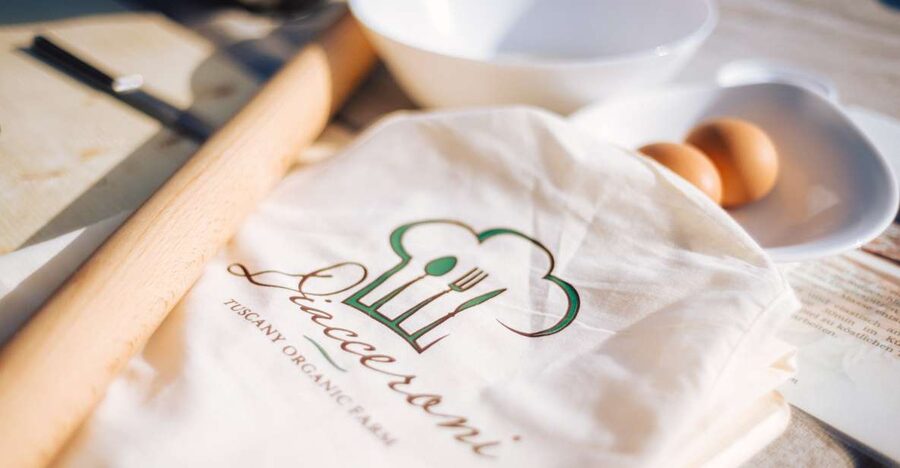
- Working farmhouse setting: You cook in the rhythm of an actual agriturismo, not a demo kitchen.
- Apron and ingredients waiting for you: You arrive to a ready-made station and start right away.
- Three pasta shapes in two hours: A filled pasta plus two egg-based types, shaped by your own hands.
- Hands-on chef guidance: You’ll prep, chat, and learn the why behind the technique.
- Your pasta becomes lunch or dinner: Cooked and served with traditional sauces, plus Diacceroni wine.
- Small group energy is possible: At least some sessions can run with just you and a friend.
A Tuscan Farmhouse Meal Plan: What Two Hours Actually Feels Like
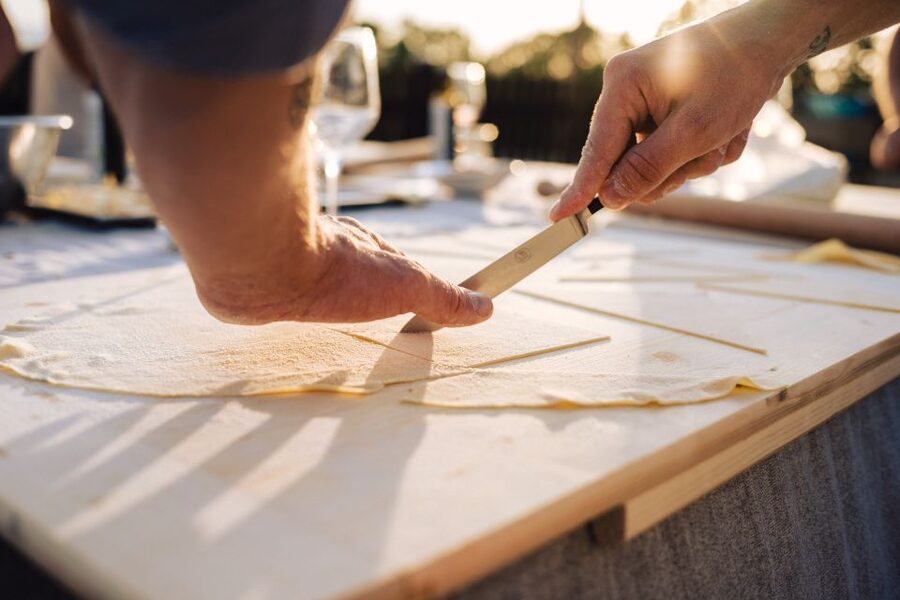
This class is built for momentum. You don’t spend two hours watching someone else cook. You’ll shape dough, fill it, learn the technique, then move straight into cooking and eating what you made.
The pace works because the menu is tight. You’re focused on three pasta shapes, not a long buffet of dishes. That means you leave with a real sense of how Tuscan pasta is put together, not just a recipe list.
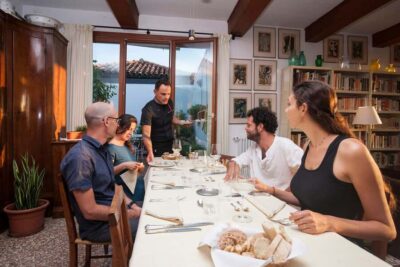
And then comes the part that makes the whole thing worth doing: your pasta is cooked and served as a meal. Depending on the session time, it’s served as lunch or dinner, and it comes with traditional sauces and Diacceroni wine. You’re not rushing through a lesson to get to a restaurant. You’re doing the restaurant part yourself.
Enter Peccioli’s Agriturismo: Meeting Point and Arrival Vibe
You’ll meet at the Agriturismo reception in Peccioli, at Via della Bonifica, 156. The activity ends back at the meeting point, so this is one of those rare tours where you don’t have to worry about a confusing transfer at the end.
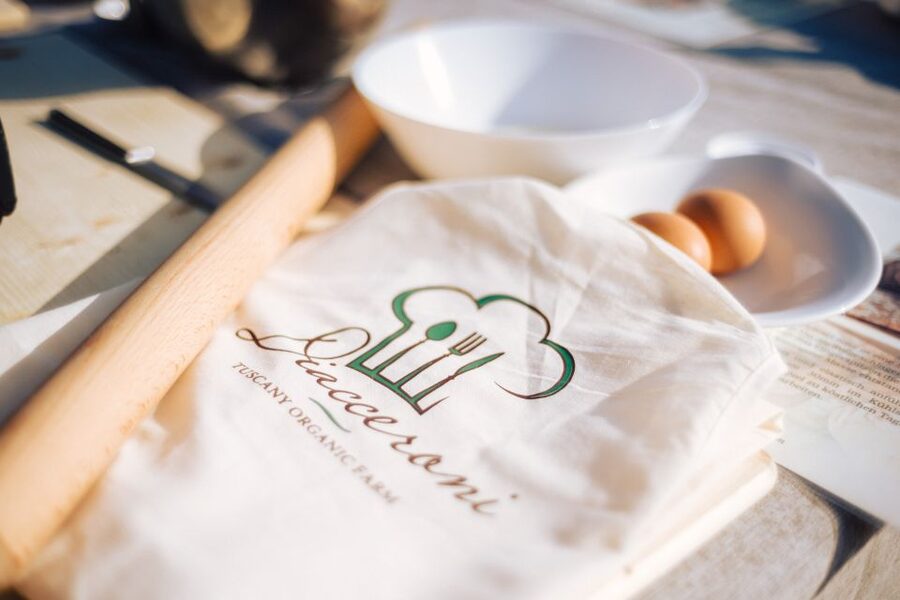
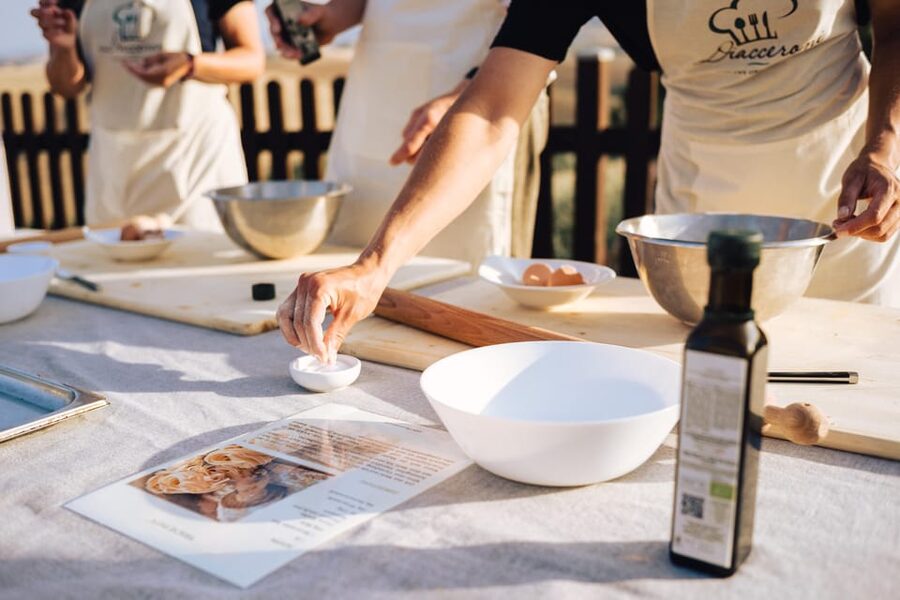
When you arrive, you’re welcomed and directed to your station. Your apron and ingredients are already set out, which is a big deal if you’ve ever joined a hands-on class and had to hunt for supplies first. Here, you start cooking with less downtime and more flour-on-the-counter energy.
This experience runs rain or shine, since it’s on a farm. That’s good news if your Tuscany plans wobble with the weather. It also means you should plan on staying present outdoors/around the farm area, even if the main cooking happens at the farmhouse.
Language is practical too. The instructor is Italian and English, and that matters when you want to understand not just what to do, but how to do it without fighting the dough.
Getting Your Station Ready: Aprons, Ingredients, and Chef Ancedotes
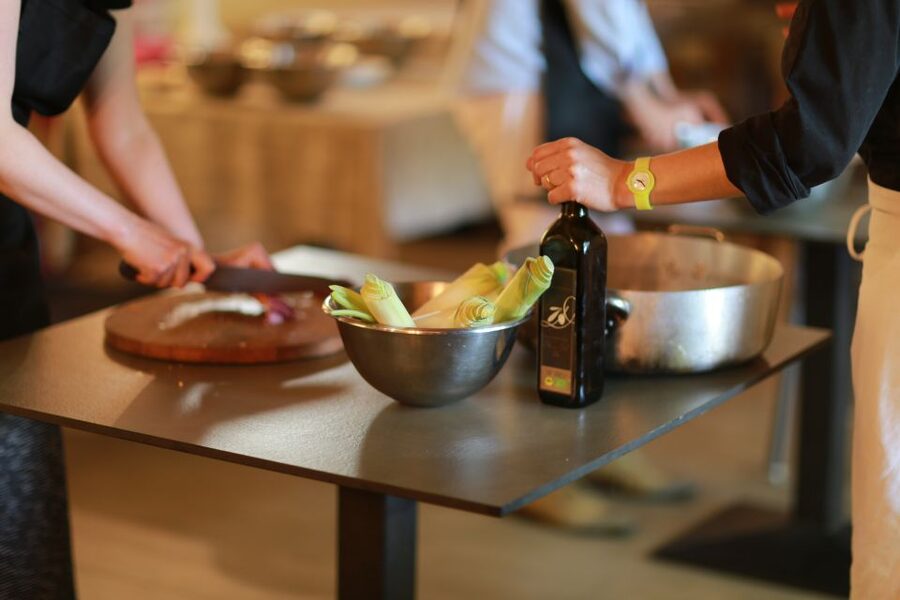
A lot of cooking classes split the experience: first you cook, then someone explains. This one tries to blend them. You arrive, your station is ready, and the atmosphere is meant to feel like a typical Tuscan family lunch.
From there, the chefs guide you through the dough work and explain the recipes with anecdotes and curiosities about traditional Tuscan cuisine. You’ll hear stories connected to how recipes were passed down. Even if you don’t remember every detail, the tone sticks: practical, warm, and focused on tradition rather than performance.
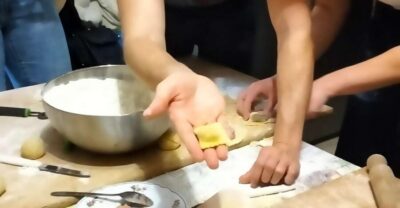
One smart thing: you’re encouraged to participate during the preparation. This isn’t a hands-off class where you’re just “helping” occasionally. You’ll be doing the tasks that actually shape the pasta.
Also, plan your mindset: the class is meant to be fun. The overall vibe in the best sessions is not stiff or overly formal. People leave smiling, not just satisfied.
Make Three Pasta Shapes: The Filled Pasta and Two Egg Variations
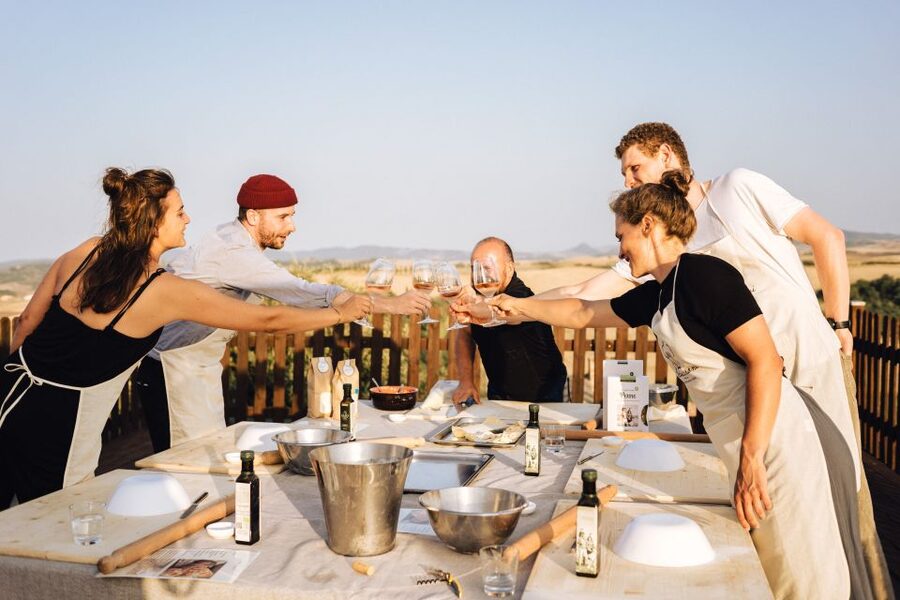
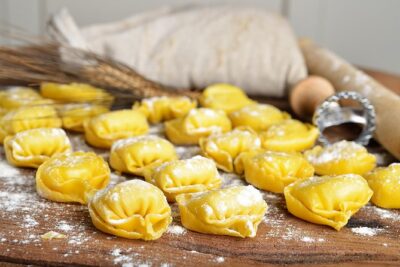
The heart of the class is what you produce. You’ll prepare three traditional pasta shapes:
- A filled pasta
- Two types of egg pasta
You’re learning structure. That filled pasta teaches you how dough holds together when it contains something moist. The egg pastas teach you about flexibility and texture—how egg changes the dough and how that translates to shaping.
What’s useful for you as a home cook is that you’re not just copying a picture. You’re experiencing how the dough behaves as you work it—how it stretches, how it seals, and how thickness affects results. That’s the difference between a recipe you read once and technique you can repeat later.
During the course, you’ll interact with the chefs while you work. That matters because pasta is mostly about feel. If something goes wrong—too sticky, too dry, too thick—you need guidance fast. The instructor support is part of why people rate this class so highly.
A note on time: this is only two hours. So the goal isn’t perfection like a televised pasta contest. The goal is competence. You’ll walk away knowing you can make pasta shapes and carry the basic method into your own kitchen.
From Dough to Dinner: Sauces, Cooking, and Diacceroni Wine
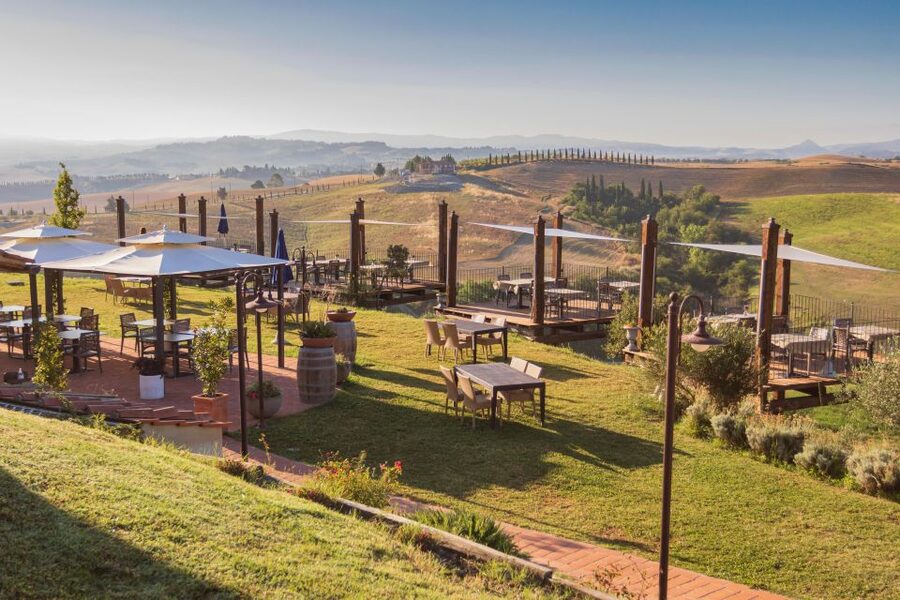
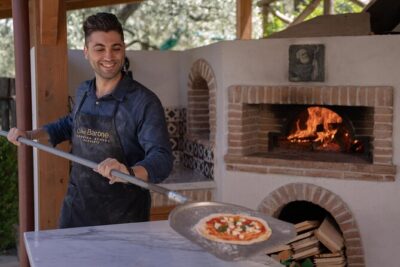
After you’ve prepped your pasta shapes, the class moves to cooking and serving. Your pasta is cooked and then served as part of a meal with traditional sauces.
This is where the experience turns from lesson to payoff. When you eat your own pasta right after cooking it, you immediately understand what changes made a difference. It’s not theory; it’s feedback you can taste.
And yes, wine is included: Diacceroni wine comes with the meal. That inclusion changes the value of the class because you’re not paying extra at the table later just to make the meal feel complete. It also pairs nicely with the Tuscan-style flavors you’re learning to recreate.
One practical detail I like: if you can’t finish your pasta, you can have it packed up to take away. That’s a small perk, but it’s a real comfort if you’re hungry and cautious at the same time.
Instructors That Keep the Pace Friendly: Names You May Hear
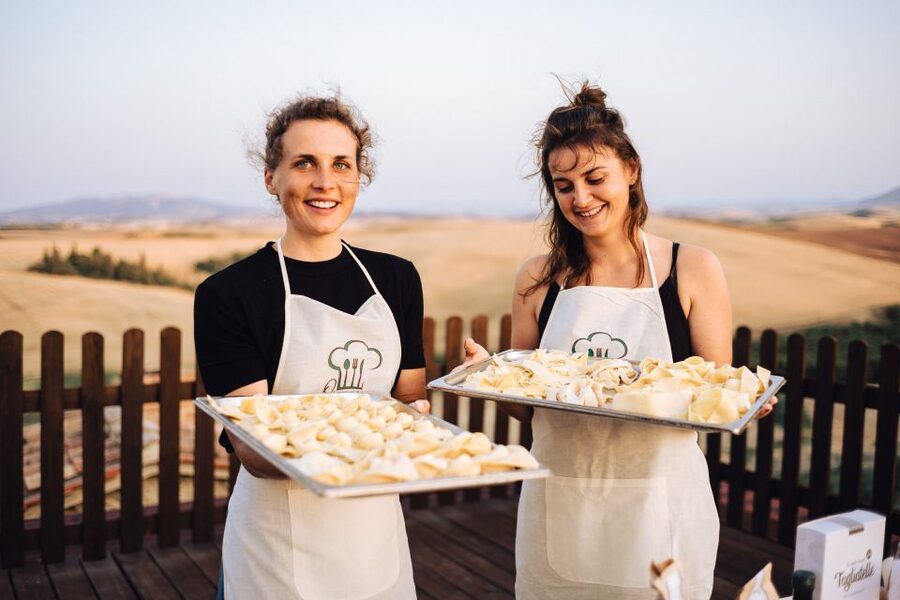
The class is led by an Italian instructor who speaks English as well. In the strongest experiences, the instructor doesn’t just teach steps. They keep you on track while making the process feel light.
Two names come up from different sessions: Lucia and Ilanea. Both are described as personable and patient, with a sense of humor that keeps the group moving. In particular, Lucia is described as someone who keeps people smiling and helps ensure the pasta comes out delicious.
Small group size is another thing to look for. At least one session has been described as just a pair of participants, which means more direct attention. If you want the kind of instruction where you can ask questions without feeling rushed, this format is a good bet.
And the chef conversations help more than you’d think. You’re not only shaping dough—you’re hearing how Tuscan cuisine gets remembered and retold. That’s useful context when you’re trying to cook later.
Price and Value: Is $118.95 Worth It?
At $118.95 per person for a two-hour class, you should judge value by what’s included versus what you’d otherwise pay while in Tuscany.
Here’s what you get that usually costs money elsewhere:
- Instructor guidance
- Cooking utensils
- Ingredients
- Wine with your meal
What you don’t get (and would need to budget separately):
- Hotel pickup and drop-off
- Extra menus
- Extra drinks
For me, the value comes down to this: you’re not only learning a skill, you’re eating a full meal that includes wine, using ingredients provided for the class. Many food tours give you bites. This gives you hands-on work and an actual plate of what you made.
Also, the price makes more sense because you’re learning multiple pasta types in one session: a filled pasta plus two egg pastas. That’s a larger teaching scope than a class that only covers one shape.
If you’re already planning to eat a big Tuscan dinner anyway, this can be a smart swap. You pay once, and your evening becomes active instead of purely observational.
Food Allergies and Staying Comfortable While You Cook
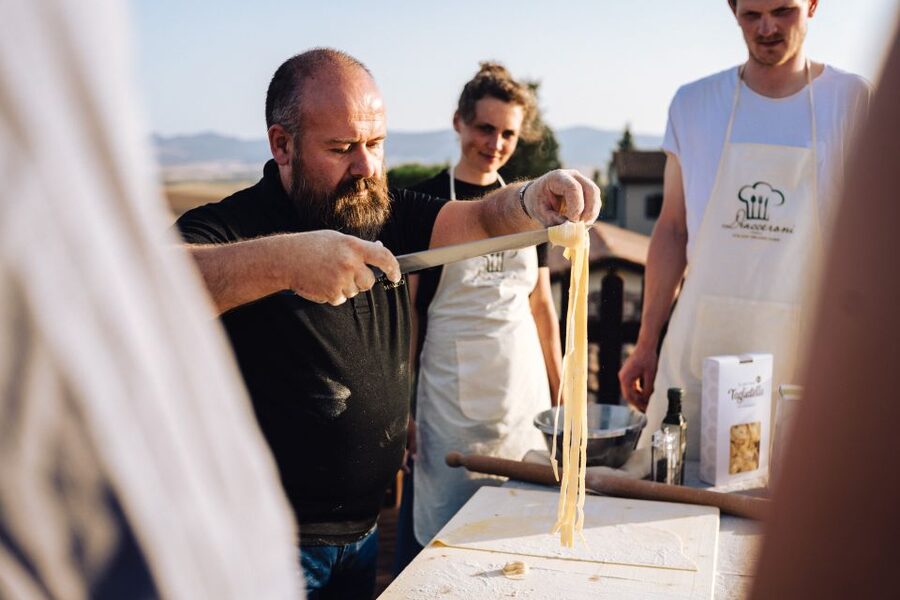
This class is safety-minded. When you make your reservation, you’re asked to inform the provider of any food allergies or intolerances.
That’s the right approach. Pasta classes rely on ingredients that can overlap with common allergens and dietary restrictions. So don’t assume the team will catch everything without advance notice.
If you have allergies, you’ll feel more comfortable going in with clear info. You’ll also get better support from the instructor when they plan the ingredients and sauces for your station.
And because it runs rain or shine, you’re also protected against weather disappointment. If Tuscany does its unpredictable thing, your class still happens.
Who This Class Suits Best (and Who Might Prefer Something Else)
This experience is a strong match for you if:
- You like hands-on food activities more than tasting-only tours
- You want the practical technique behind traditional Tuscan pasta shapes
- You enjoy meeting chefs and hearing the stories tied to recipes
- You want a sit-down meal that’s part of the learning
It may not be the best fit if:
- You’re only interested in watching and want zero participation
- You don’t want to coordinate getting yourself to Peccioli (since there’s no pickup)
- You have very specific dietary needs and can’t (or won’t) communicate them during booking
One more point: two hours is short. It’s perfect for a first pasta class. If you’re looking for a full-day deep workshop with a long menu, you might feel slightly rushed. But as a focused introduction, it’s right-sized.
Should You Book Volterra Fresh Pasta at a Tuscan Farmhouse?
I’d book this if you want a Tuscany memory that isn’t just photos of food. You get real technique, a friendly instructor, and a meal built from your own work—plus Diacceroni wine included.
Book it especially if you like the idea of learning the kind of recipe knowledge that gets passed down in family kitchens. The atmosphere is meant to feel like a Tuscan lunch, and the teaching style is friendly and supportive, not showy.
If your schedule is tight or your ride is tricky, plan your transport to the meeting point in Peccioli early. Do that, and this class becomes one of the most satisfying evenings you can fit into a Tuscany trip.
FAQ
Where is the meeting point for this pasta class?
You start at the Agriturismo reception in Peccioli, Via della Bonifica, 156. The activity ends back at the same meeting point.
How long is the cooking class?
The class is 2 hours. Starting times depend on availability.
What pasta will I make during the class?
You prepare three traditional pasta shapes: a filled pasta and two types of egg pasta.
Is wine included?
Yes. The lunch or dinner is served with Diacceroni wine, and wine is included with the class.
Do they provide hotel pickup and drop-off?
No. Hotel pickup and drop-off are not included, so you’ll need to get to the meeting point in Peccioli on your own.
Can I request help for allergies or intolerances?
Yes. You should inform the provider of any food allergies or intolerances when making your reservation so they can accommodate you.