REVIEW · FLORENCE
MaMa Florence Guided Market Tour and 4 Course-Pasta Cooking Class
Book on Viator →Operated by MaMa Florence Cooking School · Bookable on Viator
Florence can be a food lover’s dream, and this combo makes it practical. You start at San Lorenzo Market with a guide, then head to Mama Florence Cooking School for a hands-on 4-course pasta lesson with wines.
I especially like how the day is built around real ingredients, not just recipes, and how the class format keeps you moving from dough to finished shapes. One thing to consider: if you need a special diet, you have to email ahead of time—otherwise you might not be able to join the meal.
In This Review
- What you’ll notice fast (and what to plan for)
- Key things I’d circle on your calendar
- San Lorenzo Market at 8:30 am: where the day gets real
- The guide can make or break the market walk
- The walk to San Frediano: why the location is part of the experience
- In the AC kitchen with expert chefs: pasta-making you can actually repeat
- What styles might you make?
- Tools, aprons, and the difference that makes
- The 4-course menu: a real meal, not just small bites
- What’s in the courses
- Wine and Prosecco included
- How the meal keeps the day balanced
- Group size, language, and pacing: who this works best for
- Value check: why the price can make sense here
- Should you book Mama Florence’s market tour and pasta class?
- FAQ
- What is the meeting point and start time?
- How long is the experience?
- Is it offered in English?
- What food and drinks are included?
- What pasta dishes are on the menu?
- Can the class handle dietary restrictions?
- What’s the alcohol policy?
What you’ll notice fast (and what to plan for)
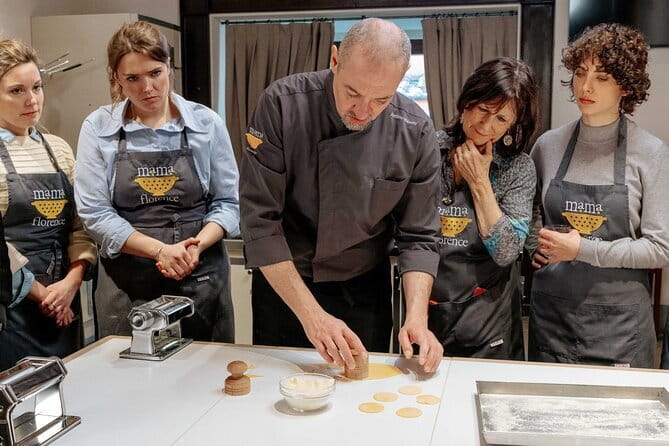
The structure feels friendly and controlled, with an English-speaking team in an air-conditioned kitchen and time set aside for a full seated meal. I also like that wine is part of the experience, with Prosecco plus two glasses of fine Italian wine included for those who can drink.
If alcohol is a no-go for you, plan around it; also, the food requirement rule is strict, so don’t show up expecting last-minute changes.
Key things I’d circle on your calendar
- San Lorenzo Market start at 8:30 am with a guided walk and tastings
- Up to 20 people means you’re not lost in the crowd during cooking
- Hands-on pasta shaping guided by experienced chefs, in an air-conditioned kitchen
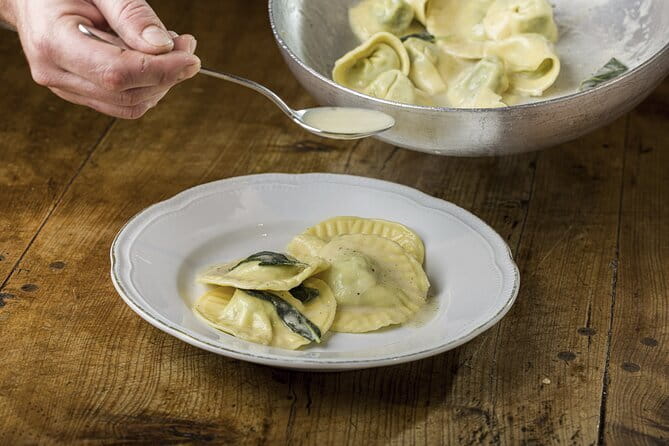
- A full 4-course, wine-paired meal: appetizer, three pasta dishes, plus panna cotta
- Small-team attention shows up in the details, with past chefs praised for patience and clear instruction
You can also read our reviews of more tours and experiences in Florence.
San Lorenzo Market at 8:30 am: where the day gets real
You meet at Piazza di Madonna degli Aldobrandini and kick things off at 8:30 am. Then the group goes to San Lorenzo Market with your guide, and you get a guided look at the ingredients that actually power Florentine cooking.
This part matters because pasta classes can turn into cookbook theater. Here, you’re grounded in what people buy in Florence: produce, meats, baked goods, seafood, and of course pasta-related goods. Along the way, you’ll have small tastings that help you connect flavors to ingredients. Olive oil and vinegar tastings come up often in how people describe the market portion, and that’s useful because those flavors show up again when you start cooking and tasting sauces.
What I like about doing the market first is timing. You’re still fresh, hungry (in a good way), and curious. By the time you reach the kitchen, you’re not learning from scratch in your head—you’ve just seen the ingredients in the real world.
The guide can make or break the market walk
Different guides have different energy, and several names show up in past sessions. Lavinia is one example of a guide who gets mentioned for being fun and informative, and Lisa is another who’s praised for the same reason. You can treat that like a hint: if you’re the type who likes context—why certain vendors exist, what people buy for everyday cooking—this guide-led market stop is the right warm-up.
A drawback to keep in mind: market shopping is lively, so if you hate walking or crowds, this early-morning start can feel like a lot. The good news is the market portion is built to move you forward, not stall you.
The walk to San Frediano: why the location is part of the experience
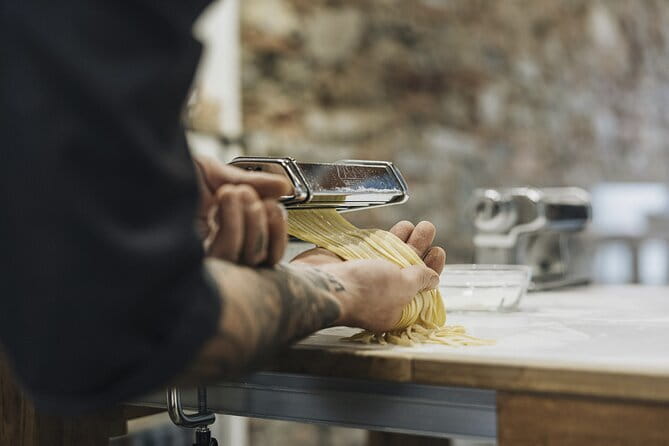
After the market, you walk to Mama Florence Cooking School in San Frediano. That transfer is more than a stroll between points. It helps break the day into two moods: first, a food-world tour; then a hands-on kitchen classroom where you can actually use what you just saw.
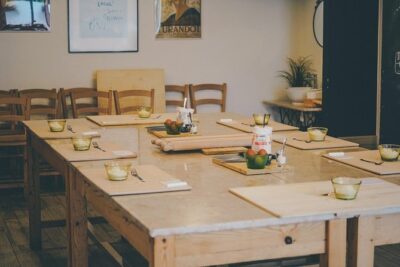
One practical benefit: the kitchen is air-conditioned, which you’ll appreciate in Florence when mornings still have heat building toward late day. The school also has the setup for groups—so you’re not piecing together a cooking class in someone’s home kitchen with limited tools.
Also, this stops being just sightseeing. You’re moving from looking at food to touching it, shaping it, and tasting it properly.
In the AC kitchen with expert chefs: pasta-making you can actually repeat
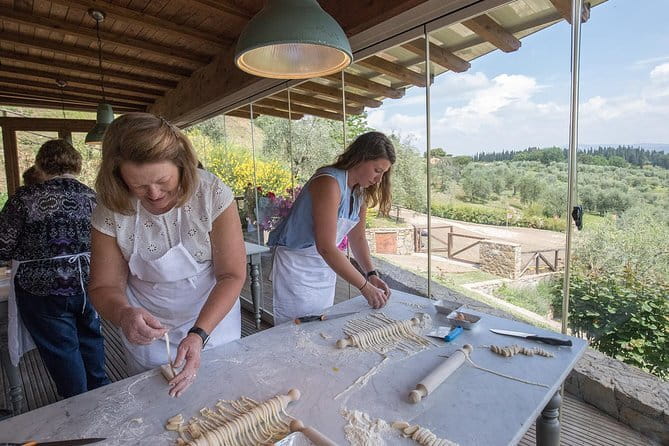
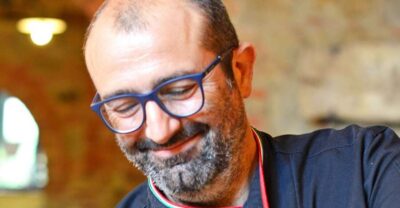
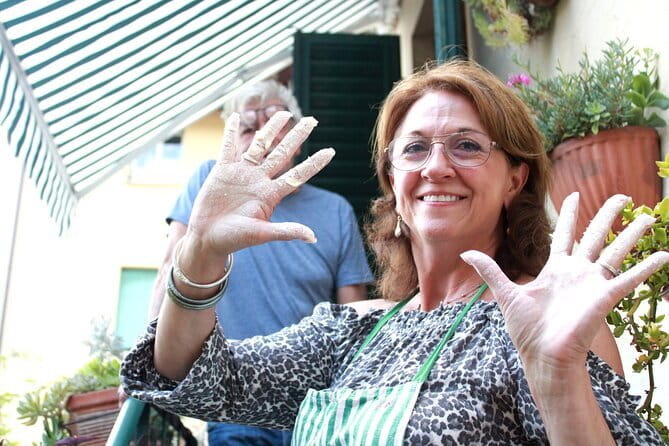
Your cooking lesson happens back at the school, and the vibe is very much a classroom-meets-home-kitchen. You’ll be working with a chef and an English-speaking team, and past participants repeatedly highlight how patient and personal the instruction feels. Names that show up in descriptions include Emmanuel, Sarah, Matteo, Alessandro, Luisa, and a few combinations where the coaching feels encouraging rather than intimidating.
Here’s what you can expect to learn, in plain terms:
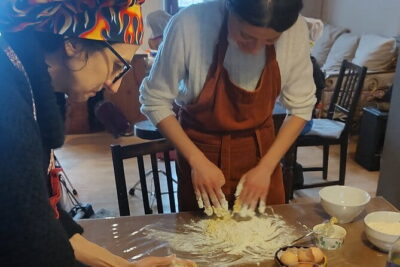
- How pasta dough starts with core ingredients and technique
- How to shape pasta, including stuffed options and classic cuts
- How to build fillings and balance sauce so it doesn’t feel one-note
- How to handle at least one full menu flow, not random isolated tasks
If you’re worried you’ll be clumsy with dough, I get it. Pasta looks easy until you’re holding it. The upside here is that the class design includes a chef-led pace and group energy. Multiple people mention that they laughed, relaxed, and improved quickly because the teaching style is hands-on and supportive.
What styles might you make?
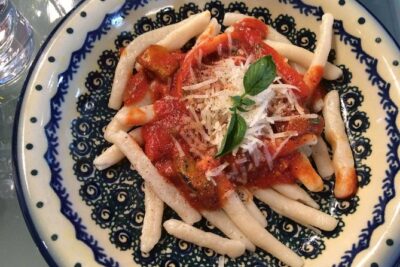
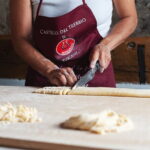
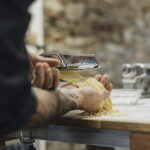
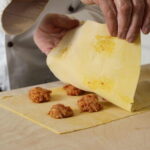
The class is described as focusing on authentic homemade pasta, with examples like ravioli and tagliatelle. The menu can include stuffed pasta such as ravioli or tortelli, and pasta types you’ll recognize from Tuscany-style cooking show up too (like corzetti or pici, depending on the course plan).
The exact mix can vary by what’s seasonal, but the core idea stays consistent: you’re not just assembling a plate—you’re learning a workflow that makes you capable of recreating the meal later.
Tools, aprons, and the difference that makes
They provide aprons and tools, which sounds basic but matters. It removes friction. You can focus on dough consistency and shaping instead of worrying about what you’ll need when you arrive.
Also, because the group size caps at 20, you’re more likely to get feedback when something needs adjusting. That’s the difference between a fun activity and a class where you actually improve.
The 4-course menu: a real meal, not just small bites
After pasta-making, you sit down for a full 4-course meal with wine pairing. This is one of the biggest value points of the experience because you’re paying for a complete lunch (plus drinks), not just instruction.
What’s in the courses
A sample menu includes:
- Starter: chick-pea flour torta with roasted tomatoes and eggplant purée
- Main 1: filled ravioli or tortelli with seasonal sauce
- Main 2: tagliatelle with seasonal sauce, or corzetti, or pici (varies)
- Main 3: a second pasta dish such as tortelli or gnocchi with sauce
- Dessert: panna cotta with seasonal fruits
This menu is a smart mix. You get a savory starter, then you move through multiple pasta formats and sauces before finishing with something cool and creamy. Chick-pea flour also signals you’re not stuck only in wheat-heavy meals, which helps the menu feel Tuscan rather than generic Italian-American.
Wine and Prosecco included
Your meal includes water, Prosecco, and two glasses of fine Italian wine. That’s a big deal for value, and it also changes how people experience the sitting portion: you’re encouraged to relax, eat, and talk, not rush to the next stop.
If alcohol is part of the plan, this is a win. Just note that alcohol is not allowed for people under 18.
How the meal keeps the day balanced
One underrated benefit: you get both learning and food satisfaction. You’re not stuck in a long cooking sprint with no break. The meal feels like the payoff for your effort, and the pairing makes each course more memorable.
If you’re the type who doesn’t love wine, you still get water and the meal. But the included wine is part of the concept, so keep that in mind when you choose this versus a non-drinking format.
Group size, language, and pacing: who this works best for
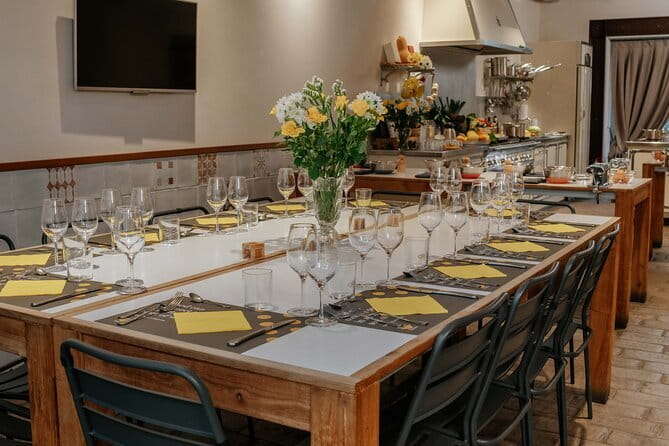
This experience is offered in English, and it has a maximum group size of 20. That matters for two reasons:
- You’re more likely to get individual help during shaping and sauce steps.
- The class stays lively and social without turning chaotic.
I’d especially recommend this if:
- You want an authentic Florence food day that includes both a market and a kitchen
- You like structured activities where you know what’s coming next
- You’re cooking-curious but not ready to commit to a full culinary school
- You want a shared experience you can do with a family member (a parent-and-teen dynamic gets mentioned positively in past experiences)
If you’re someone who dislikes group settings, or you need perfectly quiet activities, this might feel too social. But if you like conversation and you don’t mind a room full of people getting flour on their hands, it’s a good match.
Value check: why the price can make sense here
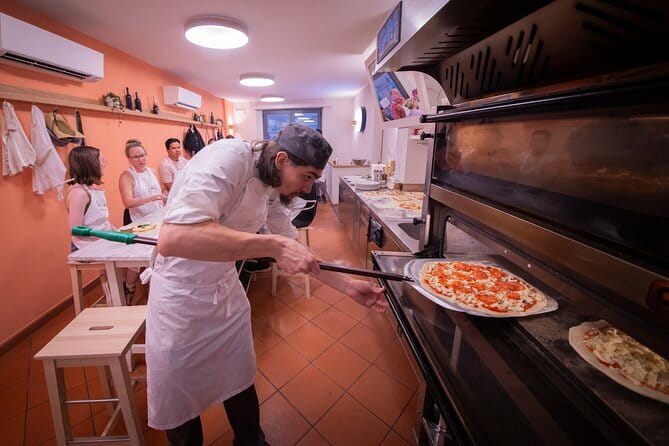
At $263.72 per person for about 4 hours 30 minutes, it’s not a budget class. But the pricing is easier to justify when you break it down:
- You’re paying for a guided market walk with tastings
- You get a hands-on chef-led cooking class with aprons and tools
- You get a full seated 4-course meal
- You get Prosecco plus two glasses of Italian wine, and water
For many people, cooking classes charge separately for instruction, ingredients, and then still make you pay for lunch. Here, the meal and drinks are folded in, which turns it into a single-ticket experience rather than a pile of small charges.
If your ideal Florence day includes learning something you’ll use again at home, plus eating what you made with wine included, this price starts looking less like a splurge and more like a full-day experience package.
Should you book Mama Florence’s market tour and pasta class?
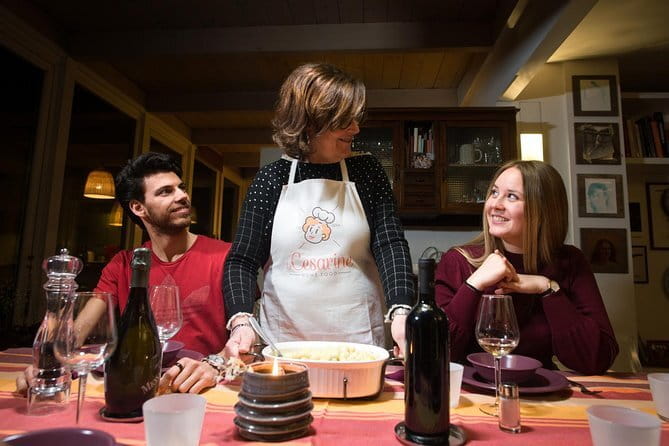
I’d book it if you want a Florence food day that blends market context + real pasta skills + a full meal. The class is described as fun, interactive, and supportive, with chefs like Emmanuel and Sarah highlighted for being patient and encouraging. You also benefit from a cap of 20 people, which keeps instruction practical.
Skip it or think twice if:
- You need special dietary accommodations and you haven’t emailed ahead of booking
- You don’t want a wine-included meal
- You prefer solo, quiet activities over a social group cooking format
If you fit the sweet spot—curious eater, hands-on learner, and someone who wants their Florence memories to include both flavor and technique—this is the kind of booking that usually pays you back later, every time you make pasta at home.
FAQ
What is the meeting point and start time?
The tour meets at Piazza di Madonna degli Aldobrandini, 50123 Firenze FI, Italy, and the start time is 8:30 am. The activity ends back at the meeting point.
How long is the experience?
It lasts about 4 hours 30 minutes.
Is it offered in English?
Yes, it is offered in English.
What food and drinks are included?
You’ll have guided market tastings, then a hands-on cooking class followed by a seated 4-course meal. The meal includes water, Prosecco, and two glasses of fine Italian wine.
What pasta dishes are on the menu?
A sample menu includes a chick-pea flour torta starter, a filled ravioli or tortelli main, tagliatelle or other Tuscan-style pasta such as corzetti or pici, a second pasta course (like tortelli or gnocchi), and panna cotta with seasonal fruits.
Can the class handle dietary restrictions?
Special food requirements can’t be accommodated unless you give notice ahead of booking by emailing the company with your allergy details. If you arrive without notice, you may have to be turned down and you are not entitled to a refund.
What’s the alcohol policy?
Alcohol is not allowed for those under 18 years of age.