REVIEW · VENICE
Venice: Share Your Pasta Love in a Local’s Home
Book on GetYourGuide →Operated by Cesarine · Bookable on GetYourGuide
Skip tourist chaos. Roll fresh pasta at home, guided in a small Venetian kitchen by hosts like Mauro or Nicolo. I love the hands-on dough time and the aperitivo-meal with local wine. The only drawback I see is the class is short at 1.5 hours, so you’ll want to slow down when you sit to eat.
This is the kind of experience that feels more like being invited in than buying a ticket. You get English or Italian instruction, a cozy, real-home setting, and a small group limited to 10 people, which makes it easier to actually talk with your host.
One practical note: you don’t get the exact address up front for privacy. After you book, you’ll receive the address of your host Cesarina, so plan on using the confirmation details and allow a little time to find the place.
In This Review
- Key Things You Should Know
- Entering a Venetian Home Kitchen
- From Aperitivo to Dough: The 90-Minute Rhythm
- Bigoli, Tagliatelle, or Ravioli: What You’ll Make
- Aperitivo Welcome, Wine, and the Meal You Made
- Small Group Up to 10: Why It Feels Personal
- Price and Value: Is $93 Reasonable for This Venice Class?
- Practical Tips Before You Go
- Should You Book This Venice Pasta Class at Home?
- FAQ
- How long is the Venice pasta-making class?
- What’s included in the price?
- Is this a small group?
- What kinds of pasta will I make?
- What languages is the class taught in?
- Where does the class take place?
- Is wine included?
Key Things You Should Know
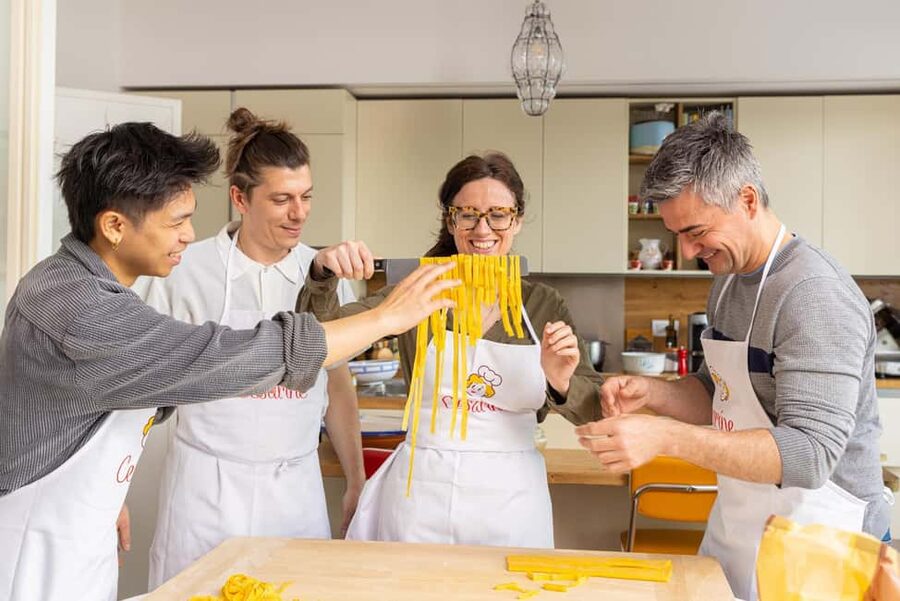
- Cesarina in a real Venetian home: you’re not in a big cooking school kitchen
- Aperitivo welcome first: appetizer plus a drink before you start rolling dough
- Hands-on from scratch: mix, knead, shape, and then eat what you made
- Classic Venetian pasta shapes: bigoli, tagliatelle, or ravioli
- Wine and espresso included: plus water and local wines
- Small group size (max 10): better attention and a friendlier vibe
Entering a Venetian Home Kitchen
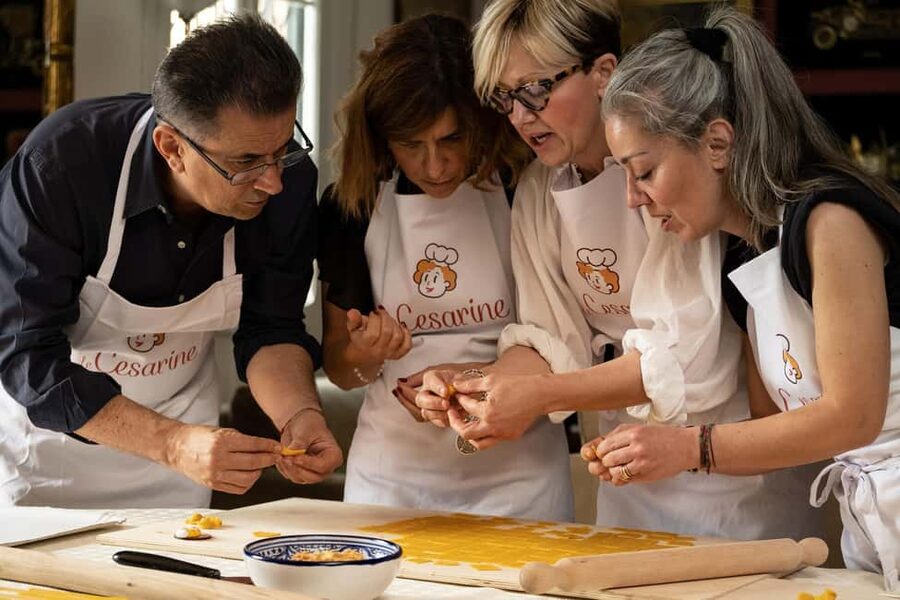
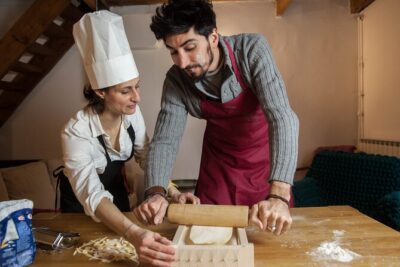
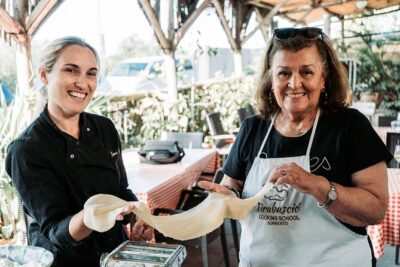
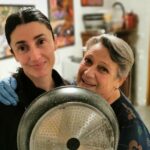
In Venice, the best food experiences aren’t about watching from a distance. This class is built around you getting involved—flour on your hands, dough on the table, and real conversation with the host. It’s run by a Cesarina (a local food host), which usually means you’re getting more than a recipe lesson. You’re getting a slice of everyday Venetian life.
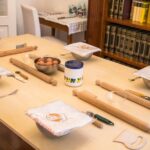
The setting is a local family’s home. That matters. Homes feel lived-in, not staged. You’ll likely notice how people move around the kitchen, how the table is set, and how the meal becomes part of the teaching. And in the case of at least one host named Tessa, the household included a dog—so if your host has a friendly pet, don’t be surprised if it becomes part of the experience.
I also like that the hosts we’re seeing through this format tend to bring a warm, welcoming energy. Names like Mauro and Nicolo show up in the way people describe the class: friendly, informative, and easy to talk to. That’s a big deal if you’re not confident in the kitchen. You’re not being judged. You’re being coached.
One more thing: the class is in Veneto, Italy, but you’re specifically in a Venetian home environment. That makes the food feel tied to place, not just “Italian food” in general.
You can also read our reviews of more tours and experiences in Venice.


From Aperitivo to Dough: The 90-Minute Rhythm
The timing is tight but it’s not rushed in a chaotic way. Plan for a simple flow: welcome, intro, hands-on cooking, then sitting down to eat.
First comes your aperitivo. You’ll get a small appetizer and a refreshing drink to settle in. This is more than a starter course. It’s how the host starts the conversation and sets the tone. If you’re nervous about your Italian or worried you’ll feel awkward, aperitivo time usually solves that. People loosen up quickly, and you’ll start learning without realizing you’re learning.
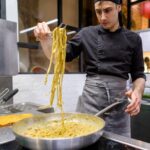
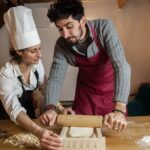
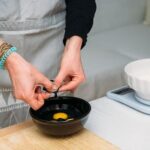
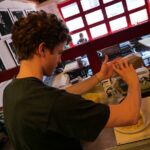
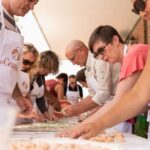
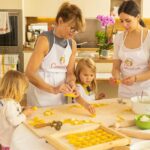
Then you shift into the pasta-making lesson. Your host introduces the basics of traditional fresh pasta. Expect instruction that’s focused on the practical steps: mixing the dough, kneading, and shaping. This is where you get to feel the difference between “dough that works” and “dough that fights back.” With each knead and roll, you’ll understand why fresh pasta has such a different texture than dried noodles.
Once your pasta is ready, you celebrate with the meal you made. You’ll toast and enjoy your homemade pasta dish with the wine provided. The class finishes with you eating as part of the group, not you cleaning up and being sent away.
If you’re deciding whether this is worth squeezing into your Venice schedule, the 1.5-hour length is the hook. You still get a full cultural experience, but you’re not committing half a day.
Bigoli, Tagliatelle, or Ravioli: What You’ll Make
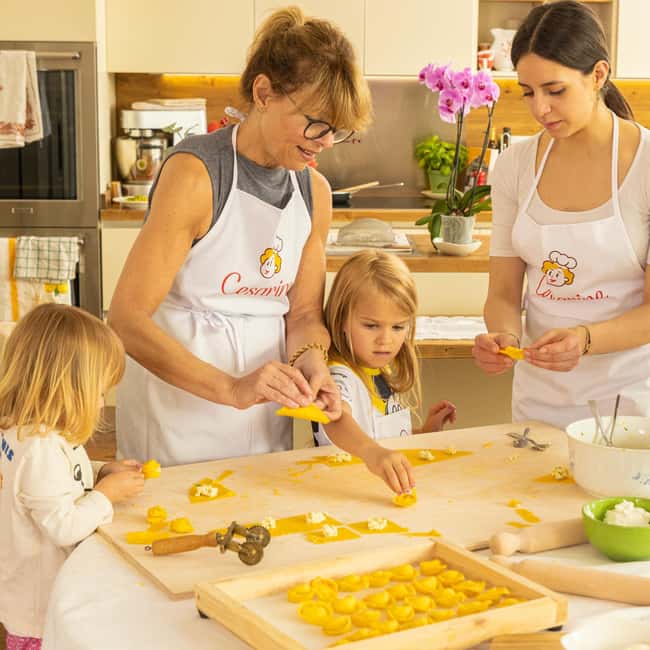
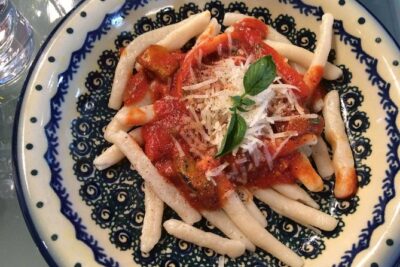
You’ll learn to craft classic fresh pasta in a Venetian style, but the exact shapes can vary. In this class, you may make bigoli, tagliatelle, or ravioli, depending on what’s being taught during your session.
Here’s why this choice matters for your experience:
- Bigoli often gets associated with Venetian traditions. If you’re looking for that local flavor connection, it’s a strong pick.
- Tagliatelle is the “everyday elegant” option. It’s easier to visualize and plate, and it teaches you how fresh dough handles rolling and cutting.
- Ravioli adds a different skill set: shaping filled pasta. That means more time spent perfecting the form, and more satisfaction when it comes out of the cooking process looking right.
What you can count on is the hands-on work. The core skills are consistent: you mix, knead, and shape. Even if you’re a total beginner, you’re not just “making noodles.” You’re learning a repeatable method you can recreate later.
And you’ll come away with something practical. You’ll know what the dough should feel like, what changes when it’s too dry or too soft, and how the shaping step affects the final bite. That’s the kind of cooking knowledge that sticks—because it’s physical, not abstract.
Aperitivo Welcome, Wine, and the Meal You Made
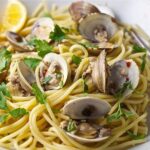
One of the best parts is that the class doesn’t end with an empty stomach. You sit down and eat what you helped create, which is exactly how pasta-making should work.
Your included beverages cover the full arc of the evening-style meal: water, local wines, and espresso. Then there’s the wine itself. You’ll get a complimentary glass of wine, and the arrangement includes a bottle of wine counted at one per three guests. In other words, it’s not a tiny sip handed to you as a formality. It’s part of the table meal.
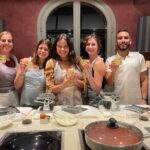
The meal setup is also where the class becomes social. You’re gathering around a table with the people you cooked alongside. The host guides you, but you’re also chatting—learning how Venetians talk about food, how they think about ingredients, and what makes the pasta “right.”
This is why many people call this the best meal they had in Venice. It’s not only the pasta. It’s the combo of effort + pride + shared eating. When you roll the dough and shape the pasta, you taste the result differently. You’re not just consuming. You’re assessing your own handiwork.
I like that the espresso is included too. It gives you a clean finish and brings the experience in line with how Italians often wrap up a meal.
Small Group Up to 10: Why It Feels Personal
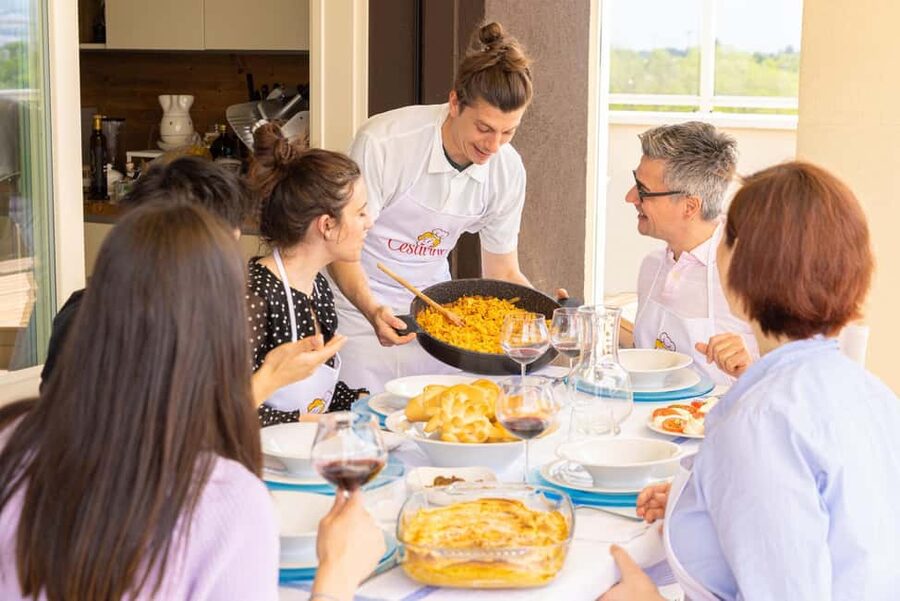
This is a small group class, limited to 10 participants. That number isn’t just a comfort detail. It changes the whole teaching style.
With a larger class, you usually become “one of many.” With a smaller group, you’re more likely to get hands-on correction when you knead or shape. You can ask questions. You can get feedback without waiting for attention.
It also makes the vibe friendlier. You’ll have time to meet new people because the group isn’t constantly cycling out. The host can also connect better with you as a person, especially if you’re a beginner or if you just love food and want to understand the technique behind it.
If you’re traveling solo, a small group is also a smart move. You’ll be in shared work mode—dough, flour, timing—which makes conversation easier than the awkward moments that happen in purely sit-down activities.
Price and Value: Is $93 Reasonable for This Venice Class?
At $93 per person, this isn’t a bargain. But it also isn’t trying to be one. The value is in what you get for the time: instruction, ingredients you actively work with, a meal, and drinks.
Here’s what you’re paying for in practical terms:
- Hands-on pasta-making class (you’re not just tasting)
- Welcome aperitivo and appetizer
- Beverages including water, local wines, and espresso
- The homemade pasta meal and wine
In Venice, dining out can add up fast—especially if you end up eating a “tourist menu” that doesn’t match what you want. Here, your pasta is literally made by you and finished into a shared meal. That’s a real difference.
So if you like food that connects to place, and you want more than a photo stop, this price starts to make sense quickly. You’re buying an experience that ends with you eating well—without needing to find a restaurant afterward.
If you only want a quick taste and don’t care about technique or hands-on work, you might decide it’s more class than you need. But if you want a story you can actually retell—rolling dough, learning shapes, sitting down with wine—$93 feels fair.
Practical Tips Before You Go
A few practical notes will help you have an easy time.
First, plan for a home environment. That means you’ll be moving around a real kitchen and sitting down at a table during the meal. Wear comfortable clothes you don’t mind getting a little flour on. Fresh pasta-making is hands-on, and flour happens.
Second, expect English/Italian instruction. If you speak only English, you should still be okay. If you speak Italian, even basic phrases will go a long way. Either way, the host can guide you through steps, and the process is visual as much as it is verbal.
Third, use the address details you receive after booking. Because the class happens in a private home, the exact address is shared after you book for privacy. Give yourself a few minutes to find the correct place, especially if you’re navigating Venice on foot.
Fourth, go into it with the right mindset. You’re learning technique, not auditioning for a pasta competition. If your first attempt isn’t perfect, that’s normal. The value is in learning the method and tasting what you can make with that method.
Finally, if you’re someone who loves meeting locals, take the aperitivo moment seriously. Ask simple questions about the pasta types you’re making and what people typically pair with them. Your host can turn a basic cooking class into a real conversation about Venetian life.
Should You Book This Venice Pasta Class at Home?
Yes, you should book this if you want Venice food in a way that feels personal and practical. This experience is built for people who like hands-on learning, value a warm home setting, and want a meal that’s directly connected to your effort—not just something you order after a walk.
Skip it if your idea of a “great Venice day” is mostly sightseeing and you don’t have time for a 1.5-hour structured activity. Also skip if you really don’t want to get involved with dough at all.
If you’re deciding between a restaurant meal and this class, think about what you want to remember. A plate of pasta is great. But rolling it, shaping it, and then eating it with wine and espresso—right in a Venetian home—is the kind of memory that actually lasts.
FAQ
How long is the Venice pasta-making class?
The experience lasts 1.5 hours.
What’s included in the price?
You get a welcome aperitivo and appetizer, hands-on pasta-making instruction, beverages (water, local wines, and espresso), and the homemade pasta meal with wine.
Is this a small group?
Yes. It’s limited to 10 participants.
What kinds of pasta will I make?
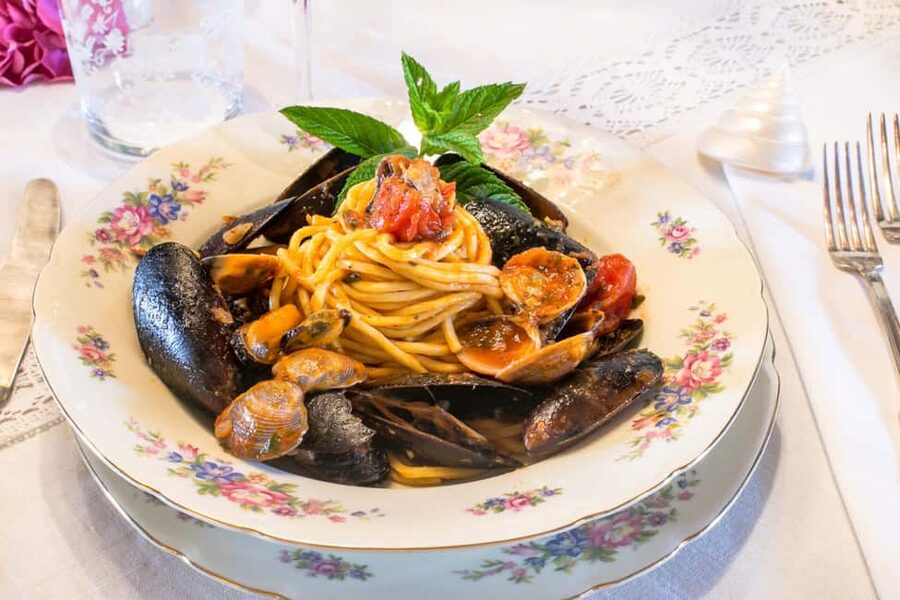
You’ll learn to craft classic fresh pasta such as bigoli, tagliatelle, or ravioli.
What languages is the class taught in?
The instructor teaches in English and Italian.
Where does the class take place?
It’s held in a local family’s home in Venice. For privacy, you receive the full address of your host after booking.
Is wine included?
Yes. You’ll receive a complimentary glass of wine, and there’s a wine arrangement that includes one bottle per three guests.