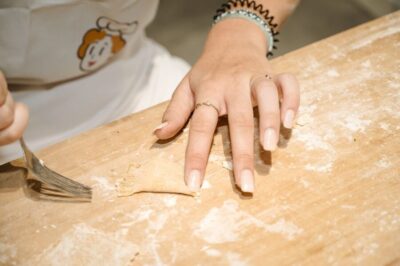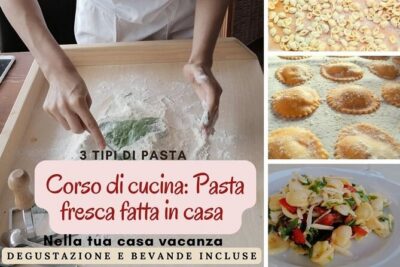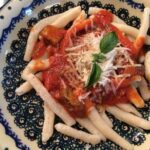
Fresh pasta starts with your hands. You’ll roll up your sleeves for four forms of fresh local pasta in a real Sicilian garden setting, taught by Teresa’s friendly, step-by-step style, not a scripted show. One note: the flours used contain gluten, so plan for that if anyone in your group avoids it.
This is a 2.5-hour, small-group experience (max 8) in the Arenella area, about a short ride from Ortigia. You’ll get local wine, mineral water, and coffee, plus practical skills you can actually repeat at home.
In This Review
- Key things you’ll remember
- Entering Teresa’s Garden Kitchen in Arenella
- Price and Value: what $132.53 includes (and what it really means)
- What You’ll Make: four fresh pastas and Sicilian comfort food
- The Sauce Strategy: meat, fish, or vegetarian (and how adaptation works)
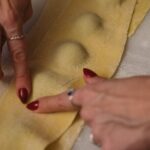
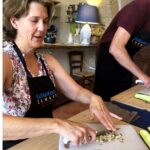
- Inside the 2.5-hour flow: hands-on steps, pacing, and real technique
- Drinks, ingredients, and the local market mindset
- Getting there from Ortigia: transportation and parking in the real world
- Is this cooking class worth your time? Who it fits best
- Should you book Teresa’s Fresh Pasta Lesson in the Garden?
- FAQ
- What is the duration of the fresh local pasta lesson?
- How much does the class cost per person?
- Where does the class meet?
- How many people are in a group?
- Is the lesson offered in English?
- What will I cook during the lesson?
- Does the class include drinks?
- Is private transportation available?
- Are flours gluten-free?
- Can children attend?
Key things you’ll remember
- Small group size (max 8), so you get hands-on attention while you shape and cook
- Four different pasta formats, made fresh using traditional methods
- Meat, fish, or vegetarian sauces, with adaptations possible for your needs
- Local ingredients and seasonal flours, sourced for real Sicilian flavor
- A home-use takeaway gift: a list of local sauces for pasta or bruschetta
Entering Teresa’s Garden Kitchen in Arenella
I like food experiences where you don’t just watch—you make. This one is set in Teresa’s home in the Arenella seaside area (around 15 minutes from Syracuse/Ortigia by local roads), and the vibe is backyard warm, not kitchen-lecture sterile. You start at Via Isole delle Molucche, 8t, and then the class loops back there at the end.
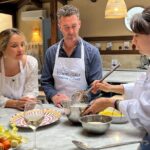
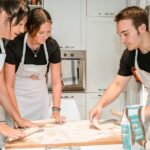
What makes the setting work is that the garden atmosphere matches the food. Fresh pasta is a hands-on craft. You can smell the flour while you work, feel the dough change as you knead, and stay focused because the pace is built around doing, not rushing. The group stays small (maximum 8), so even if you’ve never rolled pasta before, you won’t get lost in the crowd.
English instruction is offered, which matters here because the techniques are very specific. You’re not just learning ingredients; you’re learning gestures—how to portion, how to press, how to shape, and how to trust the dough as it comes together.
You can also read our reviews of more tours and experiences in Sicily.
Price and Value: what $132.53 includes (and what it really means)
At $132.53 per person for about 2 hours 30 minutes, this is not a cheap snack. But it’s also not overpriced for what you get—because the lesson isn’t just one dish. You’re building real technique: four fresh pasta shapes plus sauce pairings, made with local and seasonal flours and ingredients.
A big part of the value is that the class is practical. You’re involved in every step, from dough through shaping and to the point where you sit down and eat what you made. On top of that, your drink lineup is covered: local wine, mineral water, and coffee. Those details sound small, but they change the tone. You’re not thinking about “what will I pay for next?” while you’re trying to learn.
Also worth factoring in: transportation. Private transport is available for €20 per person (paid in cash on the spot). If you’re already staying near Ortigia, you’ll need to plan how you’ll get to Arenella. The add-ons can add cost too, like the Ortigia Point of Sale Tour option (extra €50 in cash per person). Still, for many people, it’s easier than renting a car just for one class.
What You’ll Make: four fresh pastas and Sicilian comfort food
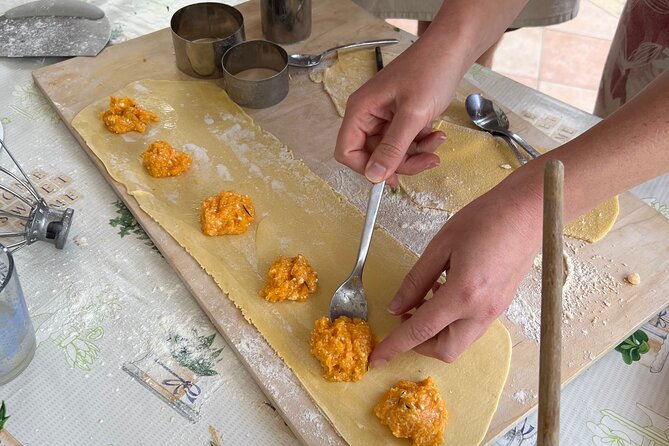
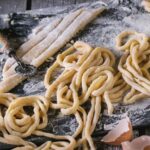
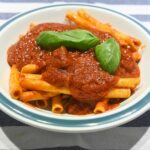
The headline here is four forms of fresh local pasta, prepared using traditional methods. The lesson is structured so you’ll make multiple shapes, not just one. That’s the difference between eating pasta and learning to reproduce it.
What I like about that approach: each pasta shape teaches you something different about dough texture and handling. Some shapes reward patience and even thickness. Others teach you how to get the right firmness before cooking. By the time you’re done, you’re not memorizing a recipe—you’re building instincts.
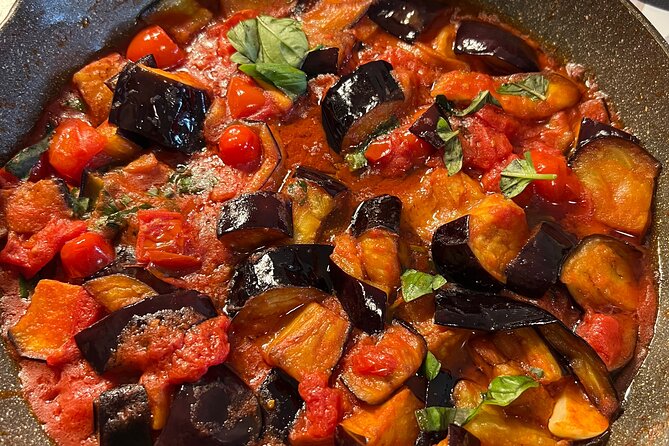
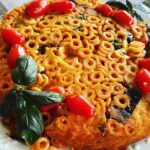
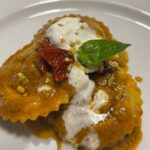
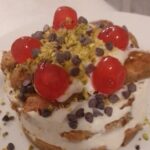
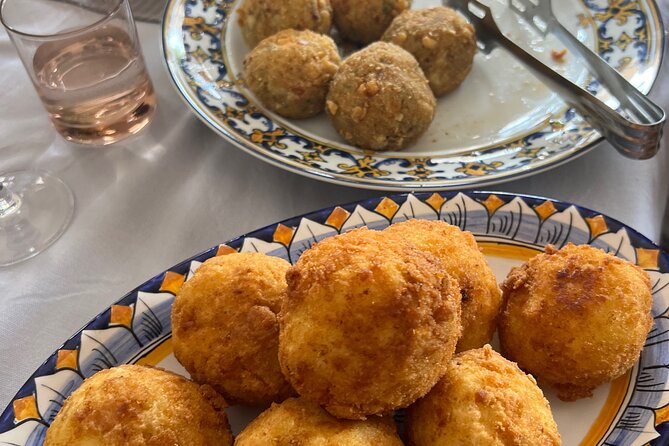
You’ll also work with a mix of menu elements that reflect Sicilian eating, not Italian-American shortcuts. In practice, many classes include additional items like pizza, tiramisu, caponata, or other Sicilian favorites such as bruschetta-style preparations. The core promise stays the same—fresh pasta and sauces—but the day can feel like a well-paced Sicilian meal rather than a one-dish workshop.
And because this is at Teresa’s house, the “why” comes through. You’re not just shaping for a photo. You’re shaping for a plate that matches local habits.
The Sauce Strategy: meat, fish, or vegetarian (and how adaptation works)
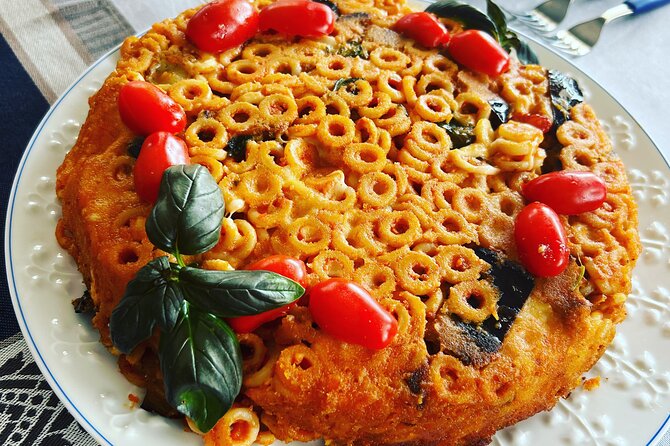
In Sicilian cooking, pasta isn’t a solo act. It’s a carrier for sauce—so learning sauce logic matters.
This class pairs your pastas with sauces that can be:
- meat-based
- fish-based
- vegetarian
Teresa can adapt recipes to meet your needs. That’s especially important if you have dietary limits, preferences, or people who don’t want seafood or meat-heavy dishes. You’ll still learn the method, but the final plate can be adjusted.
One practical perk: you get a gift list of local sauces for pasta or bruschetta. That’s the kind of takeaway that helps you keep cooking after you go home. Instead of one memorized sauce, you leave with a starting menu of options you can match to what you find at markets.
Tip for your booking message: if anyone in your group has a clear preference (for example, no meat or no fish), mention it. The class is designed to be flexible, and it’s easier to adjust when there’s time.
Inside the 2.5-hour flow: hands-on steps, pacing, and real technique
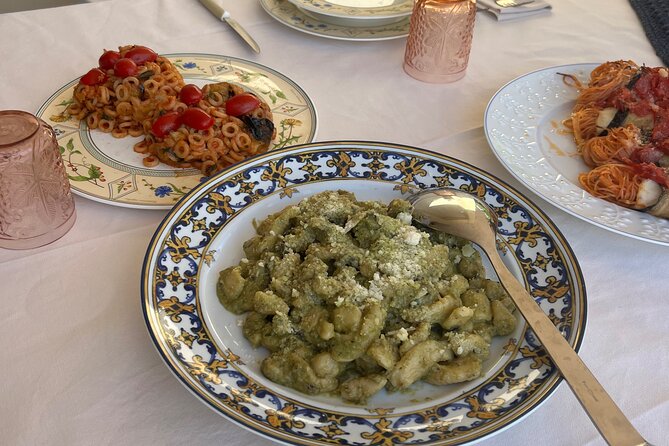
The lesson runs about 2 hours 30 minutes. In that time, you’ll move through dough work, shaping, sauce preparation, and eating. The pacing is key. Fresh pasta is time-sensitive, so rushing the process makes everything harder—dough dries out, texture changes, and you don’t get clean results.
Here’s what you can expect in the learning rhythm:
- You start with dough work using local flour and traditional methods
- You shape the dough into the planned pasta forms
- You connect each pasta shape to its sauce partner
- You learn how to adjust and recover if the dough feels too soft or too firm
Teresa’s teaching style comes through in the way people describe her: organized, clear, and genuinely welcoming. Even if you’re not a confident cook, the class is built so you can participate and not feel like you’re failing at a skill you learned yesterday.
Because the class is small (max 8), questions don’t vanish into background noise. If you struggle with a step, you can get help before it snowballs into a messy dough situation.
Drinks, ingredients, and the local market mindset
This is one of those classes where you eat what you made—and you’re given a little bit of Sicily to sip along the way. Local wine, mineral water, and coffee are included, and the meal feels relaxed, not rushed.
Ingredient quality matters a lot in pasta. Even if you know the steps, bland flour and off-tasting sauces won’t save the dish. The best part here is the emphasis on local and seasonal ingredients. Fresh pasta is all about smell and texture, and local flours make a noticeable difference in how dough behaves and how it tastes.
You may also notice flavors like tomato freshness in bruschetta-style components or the depth that Sicilian-style sauces bring to pasta. This class isn’t chasing trends. It’s about familiar flavors from the area.
Getting there from Ortigia: transportation and parking in the real world
Ortigia is the tourism magnet, but this class sits in the Arenella area—close enough to feel easy, far enough that you should plan. In plain terms: you want a clear transport plan before you arrive.
You have a few options:
- Use private transport: €20 per person, paid in cash on the spot
- If you’re driving: there’s guarded parking, with street parking or parking inside the villa driveway
For most visitors, the easiest strategy is to line up transport so you can focus on the class. That’s especially true if you’re planning to drink the included wine. You don’t want to do the math on a taxi ride while you’re learning how to shape cavatelli or another fresh pasta form.
If you stay in Ortigia, plan your timing. You’re doing a set class duration (around 2.5 hours), and you’ll want to arrive before you feel hurried.
Is this cooking class worth your time? Who it fits best
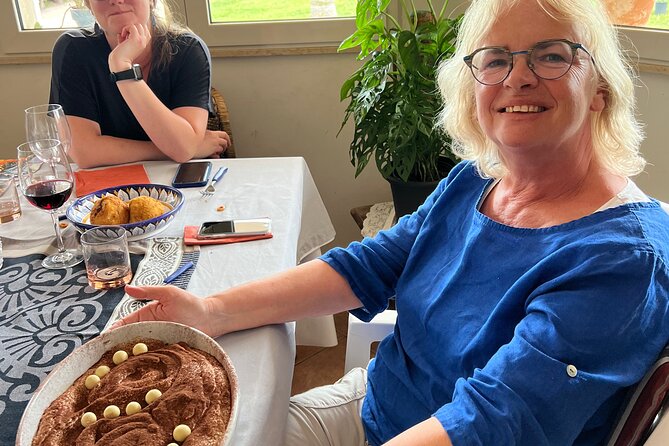
This is best for you if you want a hands-on Sicily cooking class that feels personal. You’ll learn techniques you can repeat—especially pasta shaping and basic sauce pairing logic.
It’s also a great fit for families, with one condition: children must be at least eight years old. Many parents like this kind of class because kids can participate. It’s not just watching someone else cook while adults learn.
You should consider a different option if:
- your group needs strictly gluten-free cooking (the flours contain gluten)
- you dislike hands-on work and prefer only tasting
- you don’t want to pay for transport to Arenella (private transport is available)
Should you book Teresa’s Fresh Pasta Lesson in the Garden?
I’d book it if you want an authentic, practical food experience in Sicily—one where you leave with more than memories. The strongest reasons to choose it are simple: you make four fresh pasta types, you get real instruction, and you eat a meal built around Sicilian flavor with included wine, water, and coffee.
It’s also a smart choice if you’re spending time around Ortigia and want one activity that isn’t another museum or another long walk. This is work with your hands, in a beautiful garden setting, with an easy small-group format.
If gluten is a concern, or if you need zero transport hassle, take that into account before booking. Otherwise, this is exactly the kind of class that turns a short trip into a skill you can keep.
FAQ
What is the duration of the fresh local pasta lesson?
It lasts about 2 hours 30 minutes.
How much does the class cost per person?
The price is $132.53 per person.
Where does the class meet?
The start point is Via Isole delle Molucche, 8t, 96100 Arenella SR, Italy. The activity ends back at the meeting point.
How many people are in a group?
The maximum group size is 8 travelers.
Is the lesson offered in English?
Yes, it is offered in English.
What will I cook during the lesson?
You will prepare four forms of fresh local pasta using traditional methods and make sauces that can be meat, fish, or vegetarian.
Does the class include drinks?
Yes. Local wine, mineral water, and coffee are included.
Is private transportation available?
Yes. Private transport costs €20 per person and is paid in cash on the spot.
Are flours gluten-free?
No. The flours used contain gluten.
Can children attend?
Yes, children must be at least eight years old.