REVIEW · PUMMARE
Rome: Pasta and Gelato Cooking Class with Wine or Beer
Book on GetYourGuide →Operated by Insideat Cooking Class and Food Tour · Bookable on GetYourGuide
Fresh pasta and gelato in one sitting.
In this Rome class, you’ll make fettuccine and craft gelato from scratch with an English-speaking chef, so it’s not just watching cooking. Two things I really like: the hands-on pace (you’ll knead, roll, and shape) and the way the session ends with you eating what you made in a cozy Roman kitchen. One thing to consider: a couple of the final steps are handled by kitchen staff, so you may not do every single cooking moment yourself.
The setting helps too. It’s close to the Vatican area, and the meeting point is straightforward if you arrive on time. One more potential drawback to weigh: gelato quality can be hit-or-miss depending on flavor choices and the batch, so if gelato is your top priority, go in ready to experiment with the toppings.
In This Review
- Key Highlights You’ll Feel Right Away
- Where the Class Starts: Pummarè Restaurant Near Trionfale
- What You’ll Make in 2 Hours: Fettuccine Plus Two Gelato Flavors
- Gelato 101 in a Roman Kitchen: Two Flavors, Toppings, and the Gelato vs Ice Cream Lesson
- Fresh Fettuccine From Scratch: Knead, Roll, and Shape Like You Mean It
- The Best Part: Eating in a Cozy Roman Kitchen With Wine or a Soft Drink
- Your Chef and the Pace: How English Instruction Helps You Actually Learn
- Dietary Options: Vegan, Vegetarian, and Gluten-Free That Won’t Feel Like an Afterthought
- Value and Logistics: Is This Class Worth Your Time?
- Who This Cooking Class Suits Best
- Tips to Make Your Session Smoother (and More Fun)
- Should You Book This Rome Pasta and Gelato Class?
- FAQ
- Where is the meeting point?
- How long is the class?
- Is the class taught in English?
- Is the experience wheelchair accessible?
- What’s included with the meal?
- Are vegetarian or gluten-free options available?
- Are unaccompanied minors allowed?
Key Highlights You’ll Feel Right Away
- You make the dough for fresh fettuccine, from eggs and flour through shaping your own fettuccine
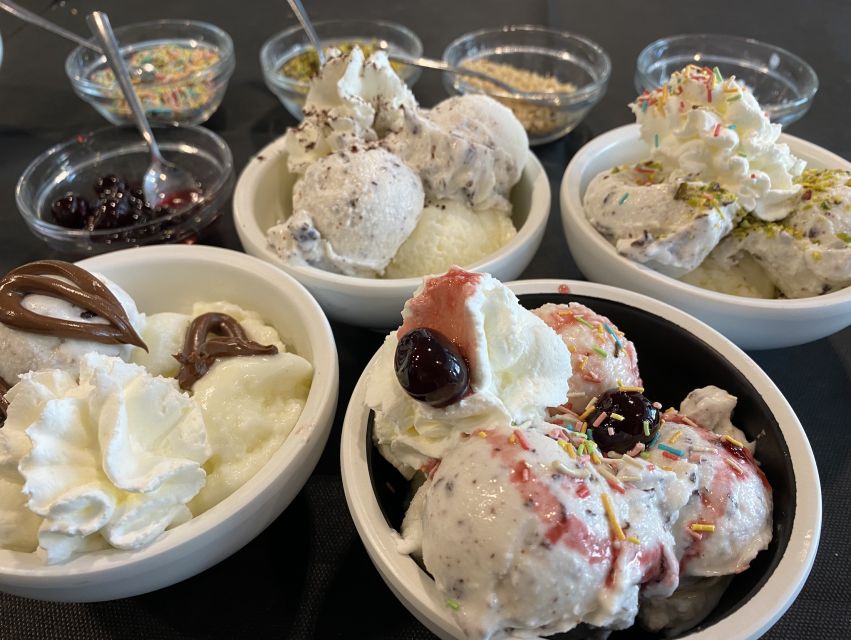
- You create two gelato flavors from scratch, plus you can personalize with toppings
- A real chef guides you in English, with step-by-step help for both beginners and confident cooks
- You eat your results on-site, finished with a classic Italian sauce for the pasta
- Dietary support is part of the plan, including vegan/vegetarian and gluten-free options
- Final finishing is sometimes done by kitchen staff, so expect chef support in the last stretch
Where the Class Starts: Pummarè Restaurant Near Trionfale
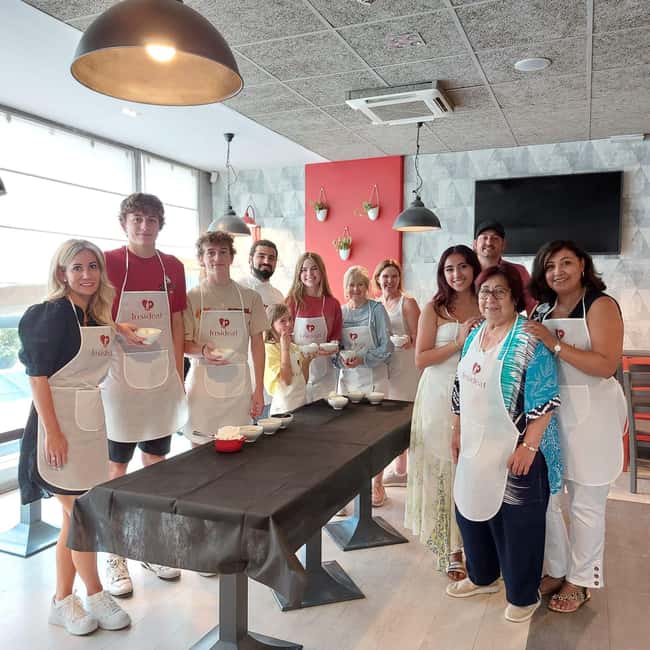
This class meets at Pummarè Restaurant, right above the Trionfale Food Market. The key detail is the location inside the building: you’ll want the top of the stairs with graffiti. There’s a taxi station in front, which is handy if you’re bouncing between sites and want to keep logistics simple.
Come 15 minutes early. That buffer matters because you’ll settle in, meet your chef, and get ready to cook without feeling rushed. If you’re late, there’s a direct contact number you can use to get back on track.
Why I think the meeting point choice is smart: it puts you in a real food neighborhood rather than a far-off showroom, so the class feels like part of daily Rome life. Also, because it’s close to the Vatican area, it can fit naturally into a day that already includes sightseeing.
What You’ll Make in 2 Hours: Fettuccine Plus Two Gelato Flavors
The session is 2 hours, and the structure is built around two “wow” results: homemade pasta and homemade gelato. The pasta component focuses on technique—using eggs and flour, kneading, rolling, and shaping fettuccine—so you’re learning skills, not memorizing steps.
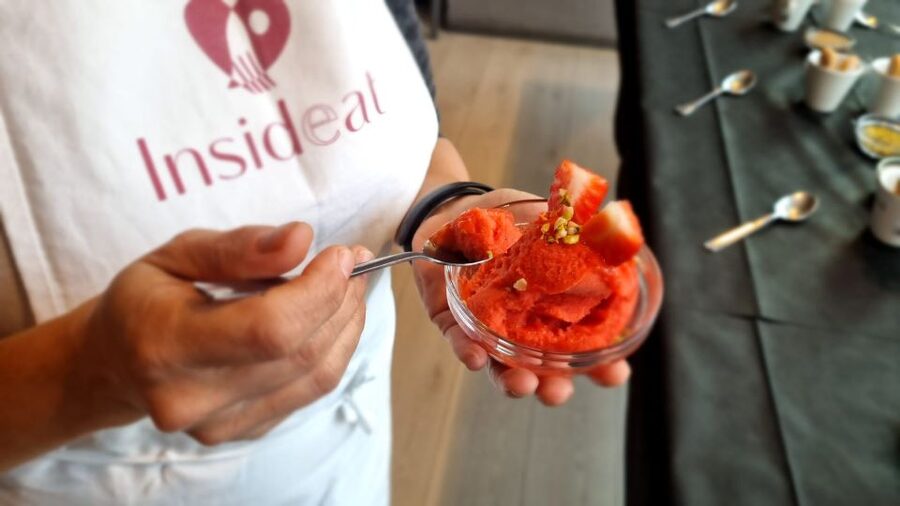
For gelato, the goal is similar: you’ll create two gelato flavors from scratch using fresh, high-quality ingredients, and you’ll also learn the difference between gelato and ice cream. That part is more than trivia. It explains why gelato has a different texture and flavor profile than the version many people grow up with in supermarkets.
The class also sets you up to leave with take-home value. You’re not just walking away full; you’re leaving with authentic recipes and techniques you can repeat for friends and family.
Gelato 101 in a Roman Kitchen: Two Flavors, Toppings, and the Gelato vs Ice Cream Lesson
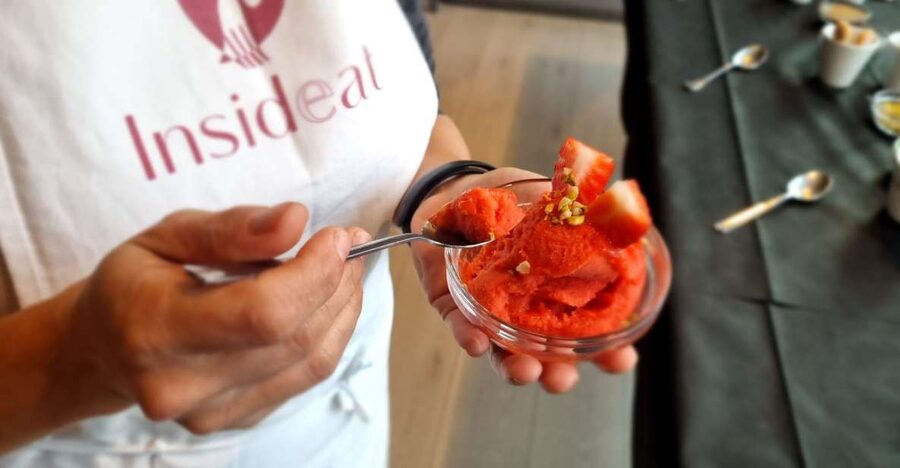
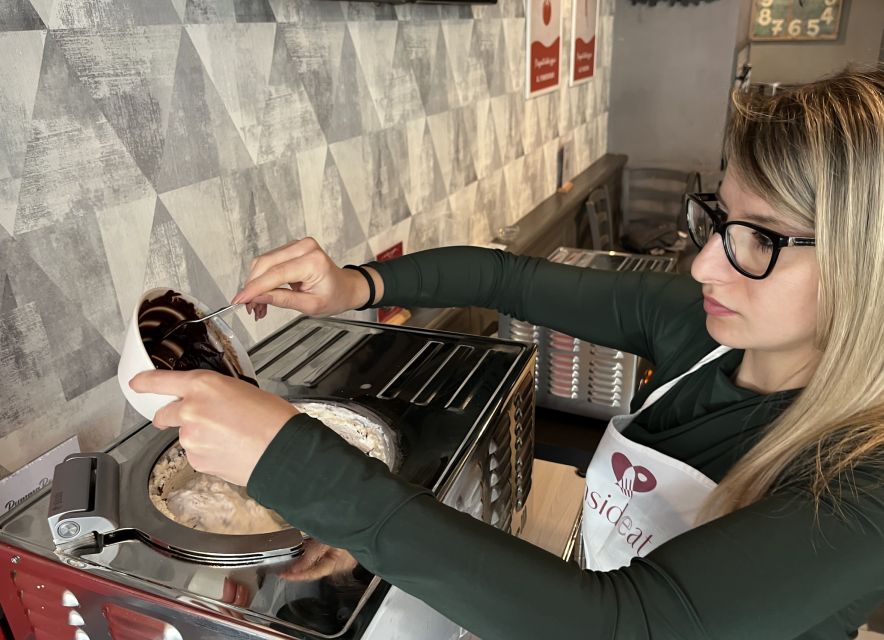
Gelato is the first big creative moment, and it starts with understanding what makes it different. You’ll learn the gelato and ice cream difference while you work with ingredients and watch the process come together. Then you move from learning to doing—creating two flavors yourself.
From the class flow you can expect:
- Help preparing ingredients using fresh, high-quality components
- Make two gelato flavors from scratch
- Customize with a range of toppings, so you can steer the final taste and texture
One practical reality: a review noted that final gelato steps are handled by kitchen staff, even if you’re doing most of the hands-on creation. For many people, that’s actually a good thing. It reduces the chance of a technical hiccup at the end, and you get a reliable result you can enjoy right away.
Now, about quality. One review that focused on gelato said the gelato felt slightly underwhelming compared to how big the gelato promise is. At the same time, pasta was described as yum. So if you’re a serious gelato person, keep your expectations flexible: choose flavors you genuinely want, and don’t be afraid to ask how to use toppings to get the balance you like.
Fresh Fettuccine From Scratch: Knead, Roll, and Shape Like You Mean It
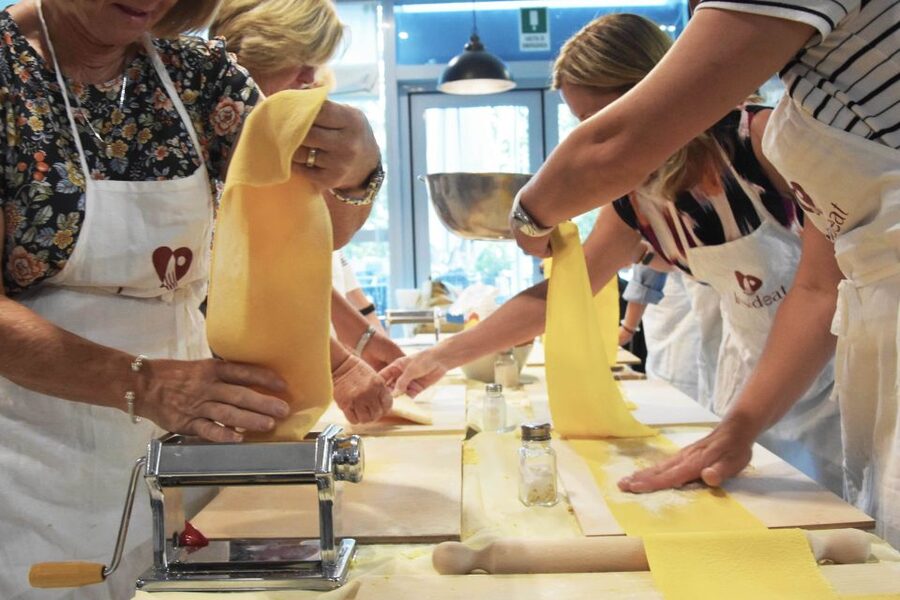
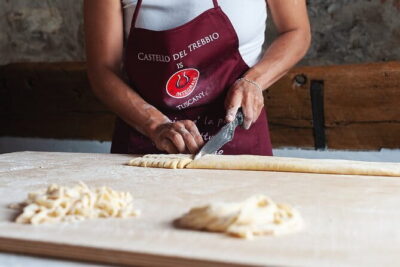
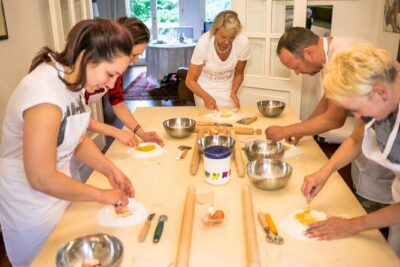
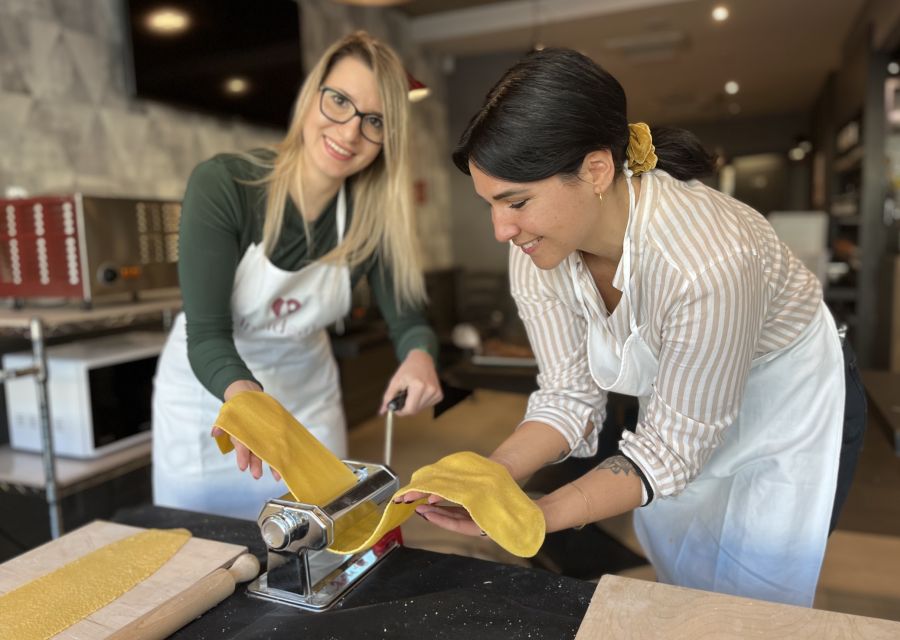
After gelato, it’s pasta time. This is where the class earns its value: you’re not handed pre-made dough and told to roll it out for Instagram. You start with the basics—eggs and flour—then you knead, shape, and cut your own fettuccine using traditional technique.
What you’ll learn in practical terms:
- How dough should feel while you knead it
- How to roll it into something workable
- How to shape and cut fettuccine
- How handmade pasta gets treated once it’s ready
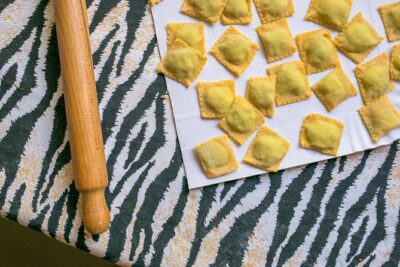
Then the chef handles the cooking end. Your handmade pasta is cooked and dressed with a classic Italian sauce. One review also mentioned that the final fettuccine steps are handled by kitchen staff, which again points to a supportive setup: you do the craft portion, and the kitchen makes sure it lands perfectly.
This “you do the work, the kitchen makes it work” balance is great for a mixed group. It also keeps the class flowing smoothly so you still have enough time to eat and enjoy.
The Best Part: Eating in a Cozy Roman Kitchen With Wine or a Soft Drink
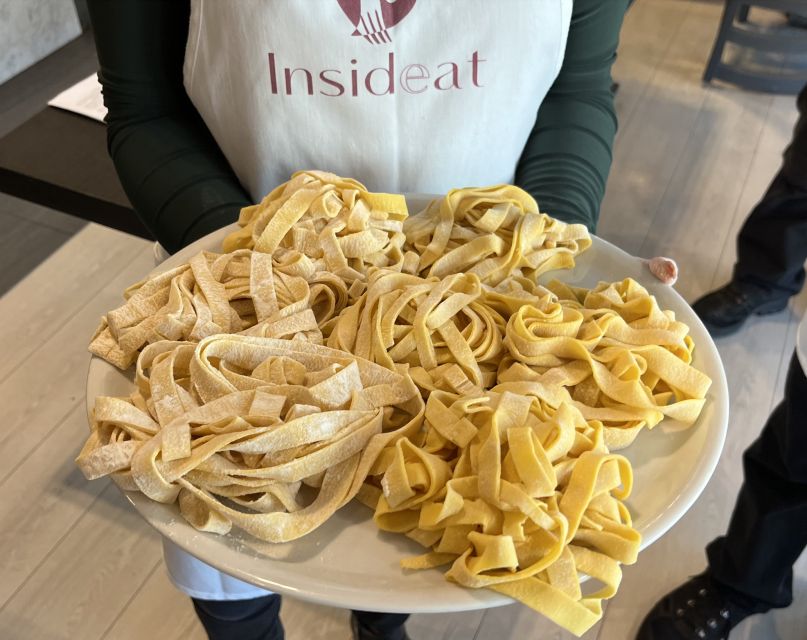
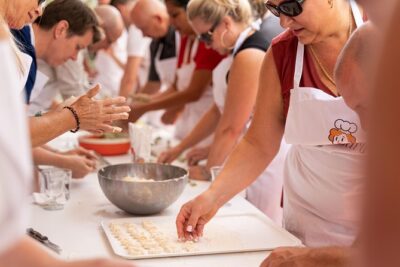
Here’s the payoff: you relax and eat what you made. You’ll enjoy your creations with your fellow food lovers in a warm, welcoming atmosphere. The class includes a drink—either wine or a soft drink—so the meal feels like a proper Roman break, not a snack between stations.
A nice little detail: one review said staff served delicious bruschetta while waiting. If that’s typical, it’s a thoughtful way to keep you fueled before the kitchen action ramps up.
If you’re wondering how filling this feels, the class is explicitly set up so you should come hungry. The plan is built around eating both pasta and gelato results, plus that pre-class snack.
And yes, the social part matters. You’ll be working close to other people while dough and gelato come together, so it’s easy to start conversations—whether you’re traveling solo or cooking as a couple or small group.
Your Chef and the Pace: How English Instruction Helps You Actually Learn
The chef is English-speaking, and the guidance style matters a lot in a hands-on class. Multiple reviews praised the teachers for being both informative and patient.
For example, one guide named Mateo was singled out for being informative and for helping people learn more than they expected. Another review mentioned Sonia as knowledgeable and lovely to talk to. That blend of skill and warmth is what makes a class like this click, especially if you’re not naturally confident in the kitchen.
You should also know what the class is aiming for: it’s friendly, interactive, and designed so you don’t need prior experience. You’ll get step-by-step support so you can keep up without feeling self-conscious about making mistakes.
If you’re cooking with kids, there’s a comfort factor here too. A review noted the activity worked well for boys who don’t usually like to cook. That suggests the pace and structure are approachable enough that it doesn’t become frustrating.
Dietary Options: Vegan, Vegetarian, and Gluten-Free That Won’t Feel Like an Afterthought
One of the strongest practical advantages is that dietary needs are treated as part of the experience. The class notes options for vegan, vegetarian, and gluten-free participants, and vegetarian options are explicitly available.
The most useful thing you can take from the gluten-free experience shared in a review is this: a celiac brother was provided gluten-free pasta, and he also received gluten-free crisps with a pinch of cheese as a snack. That’s a sign the staff understands how to handle gluten-free more seriously than a basic swap.
What I recommend you do before you arrive: when booking, inform the local partner of any specific dietary requirements. That’s the best way to make sure substitutions are available and planned ahead of time.
Also, note the rule about kids: children must be accompanied by an adult, and unaccompanied minors aren’t allowed. If you’re bringing a family, that’s an important planning detail.
Value and Logistics: Is This Class Worth Your Time?
Even without a price listed here, you can judge value by what’s included and what you actually do.
You’re getting:
- A hands-on pasta skill set (knead, roll, shape fettuccine)
- A hands-on gelato experience (two flavors you make, plus toppings)
- Wine or soft drink
- A finished meal with classic Italian sauce for the pasta
- Take-home recipes and skills
That mix is the value engine. Many food tours give you a story and a bite. This one gives you repeatable technique plus a meal. The fact that some finishing steps are handled by kitchen staff doesn’t reduce value much—it often improves consistency, especially for gelato timing and pasta doneness.
Logistics are also manageable: the class runs 2 hours, it’s in the Vatican area, and the meeting point is very specific (Pummarè Restaurant, top stairs with graffiti). Add that to the instruction in English, and it’s the kind of activity that fits easily into a first trip to Rome.
Who This Cooking Class Suits Best
This is a great fit if:
- You want hands-on cooking rather than passive sightseeing
- You like learning technique you can repeat at home
- You’re traveling with a partner, friends, or a small group and want an experience that creates shared memories
- You need vegetarian or gluten-free options planned during the class
It may not be the best fit if:
- Gelato is your only priority and you’re expecting full control over every gelato step
- You dislike classes where some kitchen finishing is done by staff
Tips to Make Your Session Smoother (and More Fun)
A few practical moves will help you get the most out of your two hours:
- Come hungry. The class is set up to feed you, and you don’t want to start dough-making on an empty stomach.
- Arrive 15 minutes early so you can settle in calmly.
- If you have dietary needs, tell the local partner when you book.
- Go in with curiosity. The gelato vs ice cream lesson is quick, but it helps you understand what you’re tasting.
- Take a moment to watch what your chef does during the steps you’re not doing yet. Those “kitchen staff finishing” moments can teach you too.
Should You Book This Rome Pasta and Gelato Class?
I’d book it if you want a Rome activity that’s equal parts hands-on and delicious. The best reasons are the skills you practice—fettuccine from scratch and gelato creation with toppings—and the fact that the class ends in a relaxed sit-down meal with wine or a soft drink.
One caution: gelato results can vary based on flavor picks and expectations, and some final steps are done by kitchen staff. If that doesn’t bother you, this is a strong way to spend a couple hours near the Vatican while learning something genuinely useful.
If your goal is to leave with recipes, technique, and a full belly, this class delivers.
FAQ
Where is the meeting point?
Meet at Pummarè Restaurant, above the Trionfale Food Market. Look for the top of the stairs with graffiti. There is a taxi station in front of the meeting point.
How long is the class?
The experience lasts 2 hours.
Is the class taught in English?
Yes, the instructor is English.
Is the experience wheelchair accessible?
Yes, it is listed as wheelchair accessible.
What’s included with the meal?
You’ll enjoy what you make, and you’ll be served wine or a soft drink.
Are vegetarian or gluten-free options available?
Yes. The class supports vegan, vegetarian, and gluten-free options, and vegetarian options are available. It’s important to inform the local partner of your dietary requirements at booking.
Are unaccompanied minors allowed?
No. Unaccompanied minors aren’t allowed, and children must be accompanied by an adult.