REVIEW · ITALY
Valnerina/Pasta cooking class in a 12th century location
Book on GetYourGuide →Operated by Ludomar Travel · Bookable on GetYourGuide
A 12th-century setting helps you cook better. I love the serene Abbazia location and the hands-on menu that goes from handmade pasta to dessert. One thing to think about: it’s a focused 3-hour class, so you won’t get hours and hours of free wandering time around the estate.
You start in the Alloro restaurant area at the Abbazia of San Pietro in Valle, in the Valnerina region of Umbria, and you actually make a complete meal. The vibe is practical and welcoming, and the class structure is built for confidence in the kitchen, not just watching someone else cook.
In This Review
- Key highlights to care about before you book
- A 12th-century abbey location that changes the whole vibe
- Price and what you really get for $82
- Your 3-hour menu: handmade pasta, main course, dessert
- Handmade pasta (where your skills start stacking)
- Main course (so you’re not stuck in dough mode)
- Dessert (the easy win people remember)
- Drinks included while you cook
- The itinerary, step-by-step, with what each moment is for
- Starting point: Alloro Ristorante in Abbazia
- Photo stop at the Relais Abbazia San Pietro in Valle (about 10 minutes)
- Back to the cooking: pasta, main, dessert, then tasting
- Languages, instructor support, and a private group setting
- What you take home: certificate, recipe booklet, and a small gadget
- The standout strengths: why the class earns its high rating
- 1) Hospitality that makes you feel welcomed
- 2) The location feels genuinely special
- 3) The food is described as original
- 4) Kids-friendly attention
- Possible drawbacks to plan for (so there are no surprises)
- It’s only 3 hours
- Dietary needs aren’t spelled out
- You’ll follow a structured menu
- Who should book this pasta cooking class in Valnerina?
- Tips to get the most out of your 12th-century cooking day
- Should you book this class in Umbria?
- FAQ
- What’s the duration of the cooking class?
- What will I cook during the class?
- Where does the class start?
- Which languages are available for the instructor?
- Is this class suitable for private groups?
- Is the class wheelchair accessible?
- Do I get anything to take home?
- What’s the cancellation and payment flexibility?
Key highlights to care about before you book
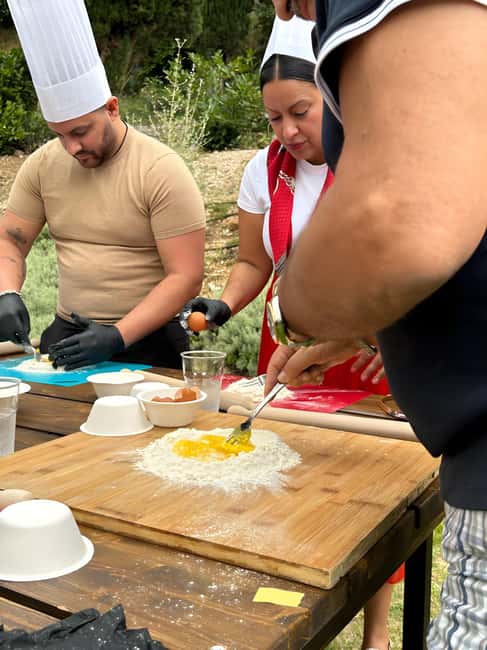
- A real 12th-century backdrop in Umbria, at Alloro Ristorante inside the Abbazia of San Pietro in Valle
- Hands-on from scratch: handmade pasta, then a main course, then dessert
- You get to taste what you made, plus a certificate and take-home recipe booklet
- Private group format, with instruction offered in English, German, and Italian
- Photo stop time is short (about 10 minutes), so you spend most of your 3 hours cooking
- Good value for the deliverables: drinks are included while you work, and you leave with more than a memory
A 12th-century abbey location that changes the whole vibe
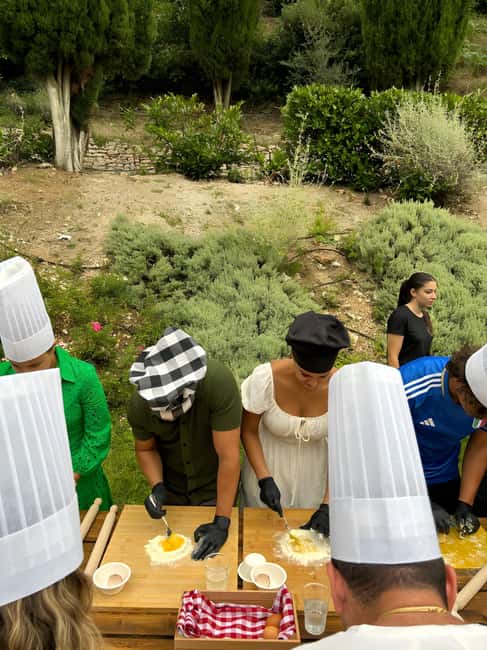
This class isn’t staged in a modern studio. You do it at the Alloro Restaurant, the in-house restaurant of the Abbazia of San Pietro in Valle, in a cozy setting tied to a 12th-century location in Valnerina.
That matters more than you might think. A food lesson already feels easier when you’re relaxed, and this kind of setting naturally slows everything down. You’re not rushed through ingredients. The room and the surroundings do part of the work for you: you show up, you cook, and you leave feeling like you experienced Umbria, not just ate near it.
The photo stop (around 10 minutes) at Relais Abbazia San Pietro in Valle gives you a quick look at the historic residence before you get back to the practical part: your hands on the dough.
Price and what you really get for $82
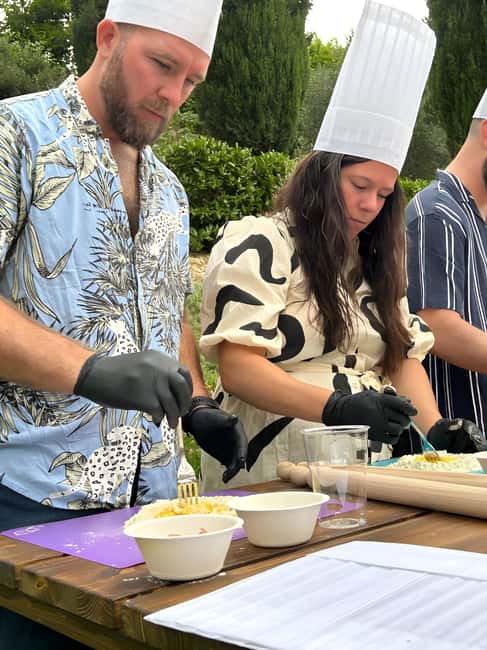
At $82 per person for a 3-hour experience, this can be a smart buy if you like active learning and want a real take-home outcome.
Here’s what the price covers, based on what’s included:
- Handmade pasta preparation
- Preparation of a main course
- Preparation of a dessert
- Drinks included while you work (the class frames it as you cook, they bring drinks)
- End-of-class tasting
- A participation certificate
- A small booklet with recipes
- A small gadget as a reminder
So you’re not paying just for entertainment or a one-dish demo. You’re paying for a complete meal process, instruction, and materials you can use again later at home.
Now, one reality check: $82 for 3 hours is not the cheapest way to “do pasta in Italy.” But if you compare it to the cost of a meal that feeds you once, plus the value of leaving with recipes you can repeat, it starts to look fair.
If you’re traveling solo, a private group format can sometimes make classes feel more expensive than larger shared group options. If you’re comfortable with that, the value is stronger.
Your 3-hour menu: handmade pasta, main course, dessert
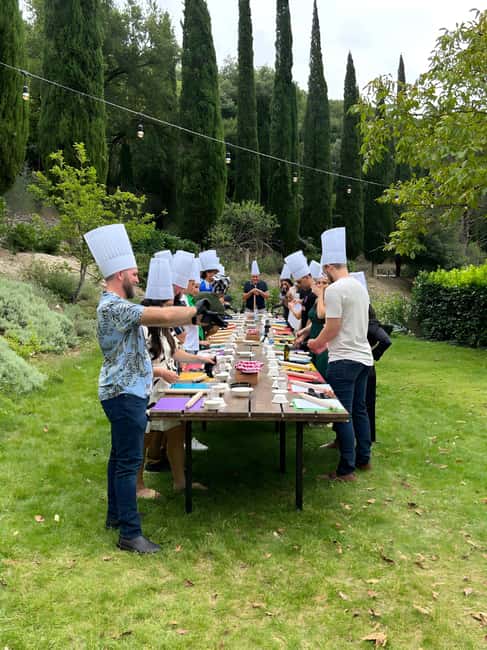
The class is built like a confidence course: you don’t just learn steps, you complete a full flow.
Handmade pasta (where your skills start stacking)
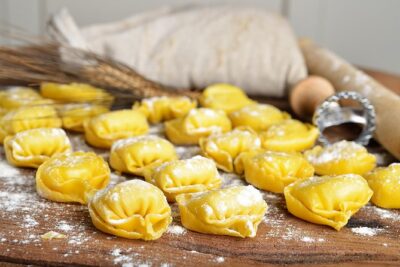
This is the core. You’ll prepare handmade pasta during the session, which is a big deal because pasta skills are the foundation for so many Italian dishes.
Even if you’ve rolled dough before at home, expect this to be different. Italian cooking classes like this usually focus on technique and feel, so you learn what “right” looks like when the dough is ready and when it needs a little adjustment.
Main course (so you’re not stuck in dough mode)
After the pasta, you’ll also prepare a main course. That’s important for practical learning. Pasta is fun, but a complete meal means you understand how the pasta timing and the rest of the kitchen plan fit together.
Dessert (the easy win people remember)
You also prepare a dessert. This is where classes often feel like they’re part cooking lesson, part celebration, especially at a place like this abbey-based restaurant setting.
The end result is not just a pile of ingredients. You create something you can actually serve, taste, and talk about after the class ends.
Drinks included while you cook
The class tagline is simple: you prepare food, they bring drinks. That means you can focus on the process without constantly managing your beverage situation.
The itinerary, step-by-step, with what each moment is for
You don’t get a long schedule with lots of switching around. The flow is short and purposeful.
Starting point: Alloro Ristorante in Abbazia
You begin at Alloro Ristorante in the Abbazia. This is more than just a meet-up spot. Starting there keeps the class atmosphere tied to the location you came for, instead of feeling like you’re being transported to a separate cooking room.
Photo stop at the Relais Abbazia San Pietro in Valle (about 10 minutes)
Next is a brief photo stop at Relais Abbazia San Pietro in Valle, described as a residenza storica. Ten minutes is enough to get your bearings and grab a few shots without turning the class into a sightseeing shuffle.
A practical tip: keep your phone ready, but don’t let photo time eat into your ability to arrive early and relaxed for the cooking portion.
Back to the cooking: pasta, main, dessert, then tasting
After the quick heritage moment, the rest of your 3 hours is devoted to cooking. You prepare the full menu, then at the end you test what you made.
That tasting moment is one of the most motivating parts. It’s not just a certificate and you’re out. You get the payoff while the lesson is still fresh.
Languages, instructor support, and a private group setting
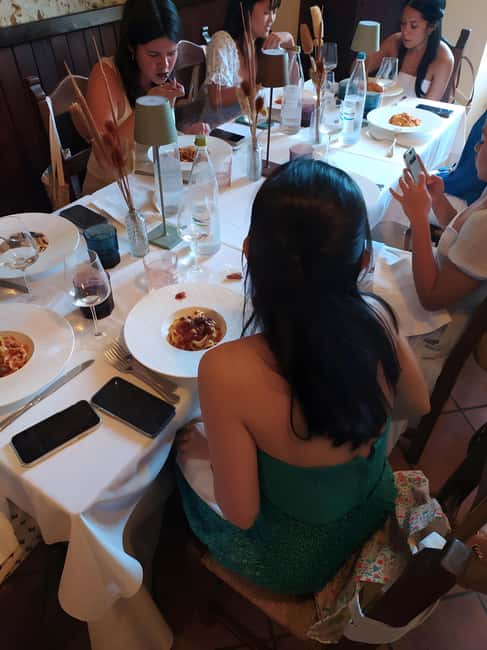
One of the strengths here is instruction in multiple languages: English, German, and Italian.
That matters because pasta technique depends on clear guidance. If you’re nervous about your Italian, you still have options. If you speak German, you’re not stuck in English alone. You can ask practical questions and get responses in your language.
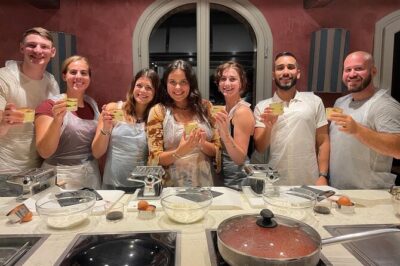
It’s also run as a private group. That usually means you’re not competing for attention with a large crowd. You can move through the steps without feeling like you’re trapped behind other people.
If you’re traveling as a family, group, or couple, this format tends to feel more personal. One review specifically praised how the staff took extra time to make it special for a child in the group (age 7). That’s the kind of detail that signals the staff knows how to adjust, not just follow a script.
What you take home: certificate, recipe booklet, and a small gadget
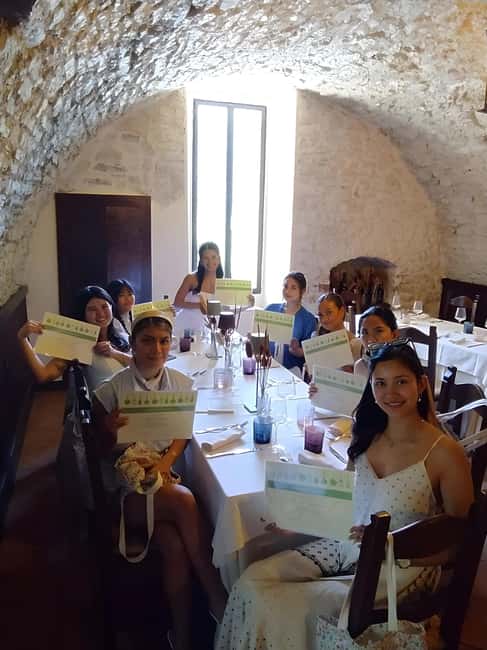
The end of class includes:
- Tasting of your preparations
- A certificate of participation
- A small booklet with recipes
- A small gadget as a reminder
The certificate might sound minor, but it’s also a good marker of what you accomplished. The recipe booklet is the real value, because it turns your “I did it” experience into a “Now I can repeat it” skill.
And the small gadget is a nice souvenir, especially when it’s paired with actual recipes. It feels less like cheap trinket energy and more like a day you can use.
The standout strengths: why the class earns its high rating
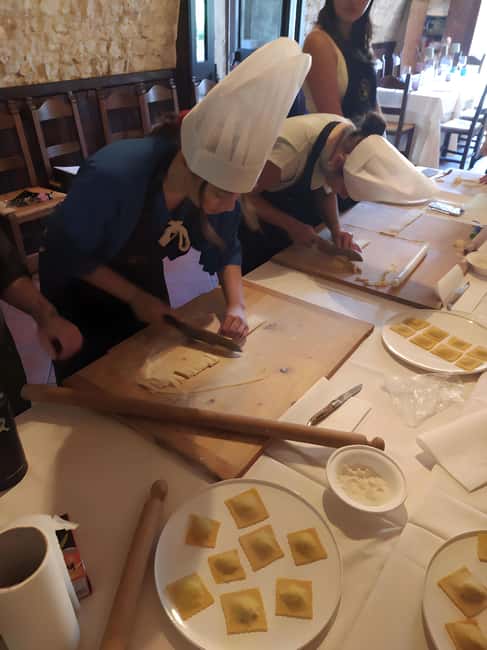
This experience holds a strong average rating (4.8 out of 5 across 9 reviews), and the praise clusters around a few clear themes.
1) Hospitality that makes you feel welcomed
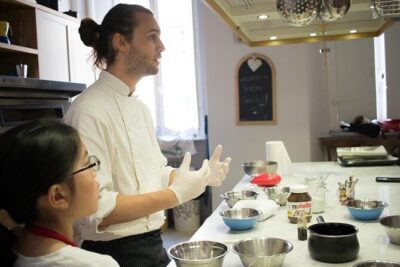
More than one comment points to friendly, helpful staff and a warm host. That matters in cooking classes, because confidence grows when someone is willing to explain and encourage you while you work.
2) The location feels genuinely special
People consistently highlight the setting as stunning and magical. You can treat that as a bonus, but it’s also part of the value: you’re not just doing food in a random place, you’re cooking in a historic estate tied to a real abbey.
3) The food is described as original
The food comes off as original in how it’s prepared. That’s helpful for you if you’re tired of generic pasta-only lessons. You’re making a full menu with a dessert included, and the class aims for recipes passed down through generations.
4) Kids-friendly attention
The mention of special care for a 7-year-old is a strong signal that the staff can flex. If you’re traveling with children, this is exactly the kind of detail you want to hear.
Possible drawbacks to plan for (so there are no surprises)
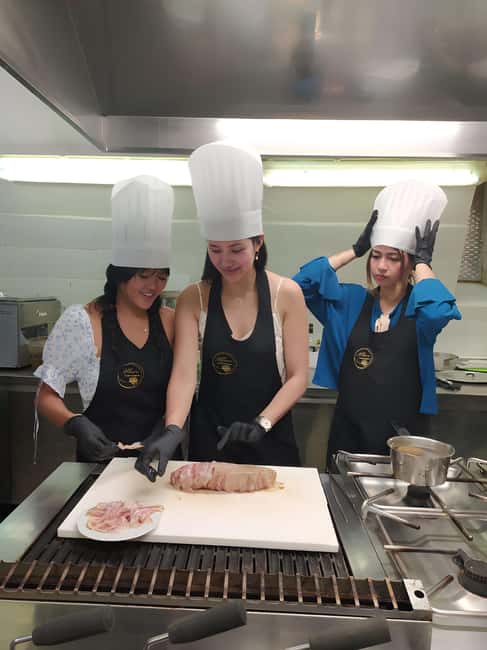
Every good experience has friction points. Here are the realistic ones for this class.
It’s only 3 hours
Three hours is a solid block, but it’s not a full cooking retreat. If your dream is to spend the whole day deep in Umbria’s food culture, you may want to pair this with a separate meal or short walk afterward.
Dietary needs aren’t spelled out
The class details focus on what you prepare, but they don’t specify substitutions or dietary accommodation options. If you have allergies or a strict diet, you should ask before you go so you’re not stuck guessing.
You’ll follow a structured menu
This is a learning experience with a set progression: handmade pasta, main course, dessert. If you want total freedom to choose your own dishes, this might feel more guided than you expect.
Who should book this pasta cooking class in Valnerina?
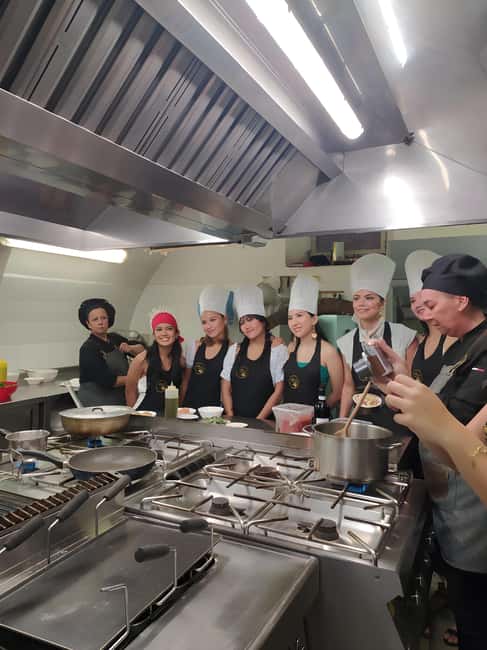
This class is a great fit if you:
- Want hands-on pasta skills instead of a watch-and-learn session
- Prefer a calm, historic setting over a loud city kitchen
- Like taking home recipe notes you can use later
- Want a structured meal experience: pasta + main + dessert in one sitting
- Are traveling in a private group and want instruction that feels personal
It’s also a good choice for families, based on the record of staff effort for younger participants.
If you’re a hardcore foodie who wants extremely rare ingredients and long tasting seminars, you might find the format more practical and less like a lecture. But if you’re the type who wants to go home able to cook confidently, that practical focus is the point.
Tips to get the most out of your 12th-century cooking day
A few small moves will help you make the day feel smooth:
- Arrive early enough to settle in before cooking starts, especially in an abbey setting where timing can feel more relaxed.
- Wear something comfortable for rolling and mixing. You’ll be at work for a good chunk of the 3 hours.
- Be ready to taste at the end. If you treat it as the payoff moment, you’ll enjoy it more.
- If you speak English, German, or Italian, use the language you’re most comfortable with for questions. The instructor supports all three.
And if you’re the type who loves the story behind food, pay attention to the class framing about recipes handed down through generations. Even if you’re not researching ingredients afterward, that perspective changes how you think about what you’re making.
Should you book this class in Umbria?
I’d book it if you want a practical, memorable way to learn pasta skills in a place that feels truly tied to its surroundings. For $82, you’re getting a full menu experience—handmade pasta, main course, dessert—plus tasting and take-home recipes. That combination is the core of the value.
Skip it only if you’re looking for a long sightseeing day, or you need special dietary accommodations and can’t confirm them ahead of time. Otherwise, this is the kind of class that turns a visit to Umbria into something you carry back to your kitchen.
FAQ
What’s the duration of the cooking class?
The experience lasts 3 hours.
What will I cook during the class?
You’ll prepare handmade pasta, a main course, and a dessert.
Where does the class start?
It starts at Alloro Ristorante in Abbazia, at the Abbazia of San Pietro in Valle (Alloro is the in-house restaurant).
Which languages are available for the instructor?
The instructor offers the class in English, German, and Italian.
Is this class suitable for private groups?
Yes, it’s listed as a private group.
Is the class wheelchair accessible?
Yes, it’s wheelchair accessible.
Do I get anything to take home?
Yes. At the end you receive a certificate of participation and a small booklet with recipes, plus a small gadget.
What’s the cancellation and payment flexibility?
Free cancellation is available up to 24 hours in advance for a full refund, and you can reserve and pay later.