REVIEW · ROME
Pasta Making and Tiramisù Cooking Class in Rome
Book on Viator →Operated by Inrome Cooking Srl · Bookable on Viator
Fresh pasta meets tiramisù in Rome. In a 17th-century cooking school near Piazza Navona, you make two kinds of fresh pasta and a classic tiramisù with English-speaking chefs. I like that it’s small-group and hands-on, not a demo you watch from afar, and that you end up eating a full plated meal. One thing to consider: the class can feel loud and tight when two groups run in nearby cooking spaces.
You’ll start with a warm welcome—drinks plus Italian antipasti—then roll up your sleeves in a proper Italian kitchen using professional-grade tools. The evening slot on the schedule starts at 5:30 pm, and morning sessions are described as timed to finish around lunch so you’re not stuck hungry afterward.
In This Review
- Key Things to Know Before You Go
- The Setting: Rome’s Piazza Navona Area and a Real Cooking School Kitchen
- Timing and How the 2.5 Hours Unfold
- The Welcome: Prosecco and Italian Antipasti Before You Cook
- Making Fresh Pasta in Rome: Knead, Shape, and Learn Why It Works
- Roman Sauces: A Base You Can Reuse (Not Just Two One-Off Recipes)
- Tiramisù Lessons: A Classic Dessert Made Understandable
- The Meal Moment: Wines, Dining Room Time, and Sharing a Table
- Price and Value: Is $119.77 Worth It?
- Group Size and Room Noise: What to Expect in the Real World
- Best Fit: Who Should Book This Class (and Who Might Not)
- Vegetarian and Gluten-Free Options (and Allergy Care)
- Practical Tips for Your Rome Day
- Should You Book This Pasta and Tiramisù Class in Rome?
- FAQ
- Is this class offered in English?
- Where do I meet for the class?
- How long is the class?
- What dishes will I make?
- Are vegetarian or gluten-free options available?
- What’s included in the ticket price?
- Is alcohol included?
- Is there a limit on group size?
- Can I cancel for a full refund?
Key Things to Know Before You Go
- Piazza Navona area, central Rome convenience: convenient for sightseeing days (and easy to reach by public transport).
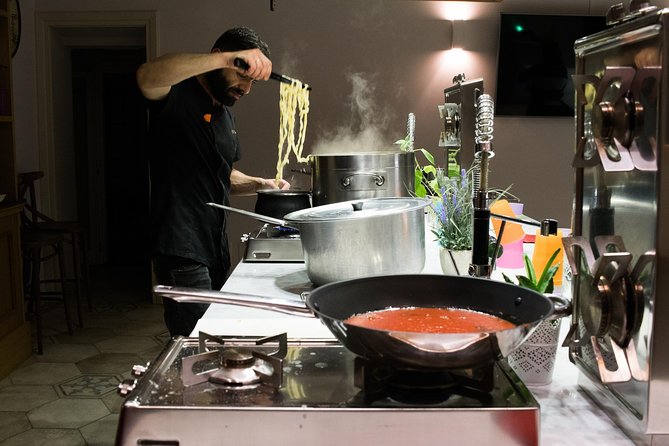
- Hands-on pasta from scratch: knead, shape, and learn real technique, not just a recipe read-out.
- Two pasta types plus two Roman sauces: you’ll learn more than one flavor direction.
- Classic tiramisù, with practical steps: chef-led so you know what to watch for.
- Prosecco, wine, and a seated meal: you cook, then you eat what you made.
- Small groups in a compact kitchen setup: generally personal, but it can get noisy depending on the room flow.
The Setting: Rome’s Piazza Navona Area and a Real Cooking School Kitchen
This class is set up for people who want the Rome you can taste: a proper Italian kitchen in the central historic area, not some generic event space. The big draw is that it’s described as being in a charming 17th-century cooking school, which matters more than it sounds. Cooking feels more “authentic” when the room and rhythm match the food—mise en place, tool use, and a teacher who expects you to actually work with your hands.
Also, it’s in the Piazza Navona zone, so you can pair it with the rest of a Rome day easily. Your meeting point is Corso del Rinascimento, 65 (00186 Roma), and the activity ends back at the meeting point. Since the start time listed here is 5:30 pm, you should plan your afternoon around it—this is not something you squeeze in between museum tickets without adjusting your timing.
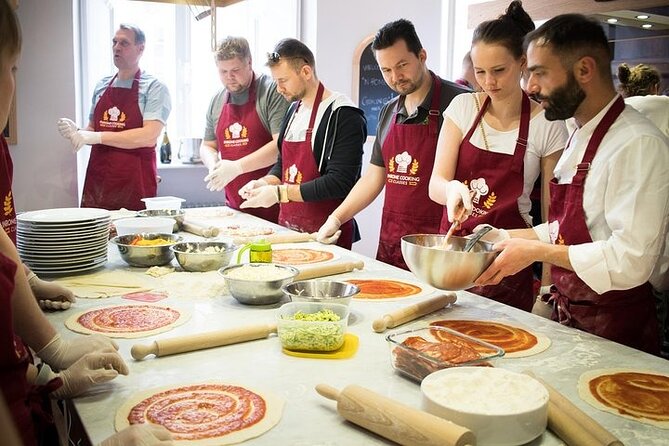
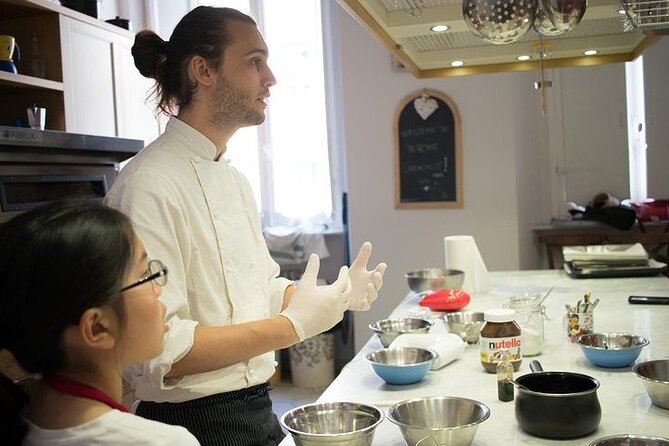
One more practical point: the class runs in English, and the group size is capped at 15 travelers. In practice, the kitchen is said to be around 110 m², with up to two chefs and roughly nine guests per chef, so you’re not alone with the instructor—but you also aren’t lost in a crowd.
You can also read our reviews of more tours and experiences in Rome.
Timing and How the 2.5 Hours Unfold
The total duration is about 2 hours 30 minutes, give or take. The flow is consistent in every version: welcome drinks and appetizers, then cooking, then sitting down to eat.
The schedule you’re looking at starts in the evening (5:30 pm). But the class concept also includes a morning option that’s timed to end at lunch—so you can choose based on how you like your day structured. If you’d rather have your meal early and then keep sightseeing, morning makes sense. If you want a relaxed start, a full evening meal, and the social part of dining, the evening slot fits better.
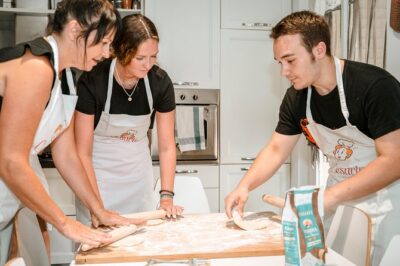
The key thing to know is that you’re not just learning recipes. You’re doing the active parts: kneading, shaping, mixing, and building. That’s why the timing feels focused—there’s enough time to learn, cook, and eat, without dragging on so long that you’re waiting around.
The Welcome: Prosecco and Italian Antipasti Before You Cook
Before anyone touches pasta dough, you’re welcomed with fresh drinks and Italian antipasti. It’s a small detail, but it sets the tone. You’re not walking into a classroom and immediately being handed flour. You get a warm start, then the chef pulls you into the lesson.
From the included menu details, the welcome includes Prosecco plus appetizers. Later, you also get bottled water and alcoholic beverages included as part of the meal experience. Several descriptions point to wine showing up with dinner as well—so you should treat the evening like a food experience, not a quick snack stop.
If you’re someone who likes to feel “part of the table” rather than just “part of the class,” this welcome + meal format is one of the reasons people rate it so highly.
Making Fresh Pasta in Rome: Knead, Shape, and Learn Why It Works
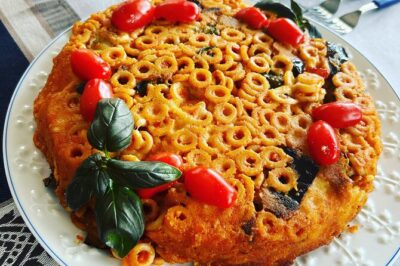
The class centers on two of Italy’s most beloved comfort foods: fresh pasta and tiramisù. For the pasta portion, you learn to make pasta from scratch, including kneading and shaping by hand. That’s the part that feels empowering because you can leave Rome with more than a memory—you can leave with technique.
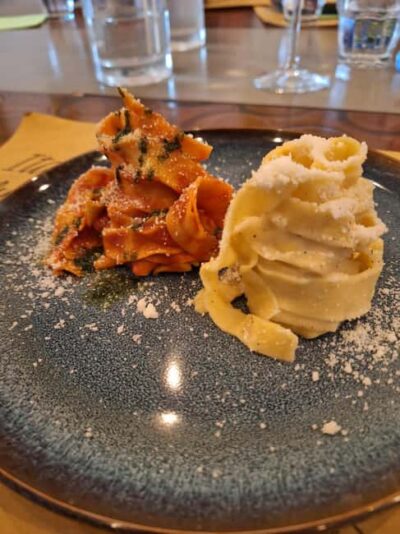
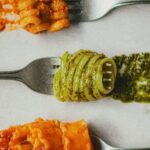
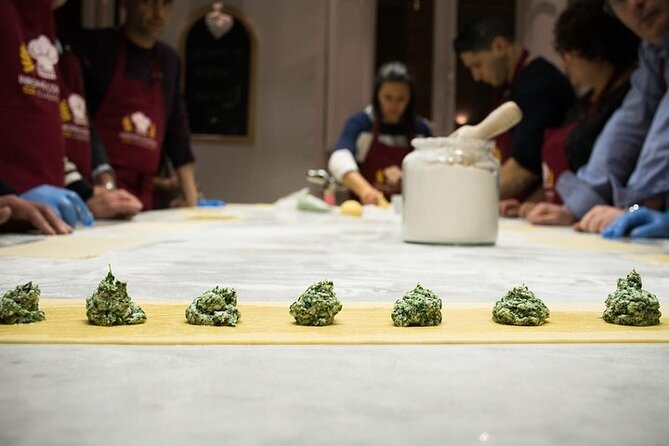
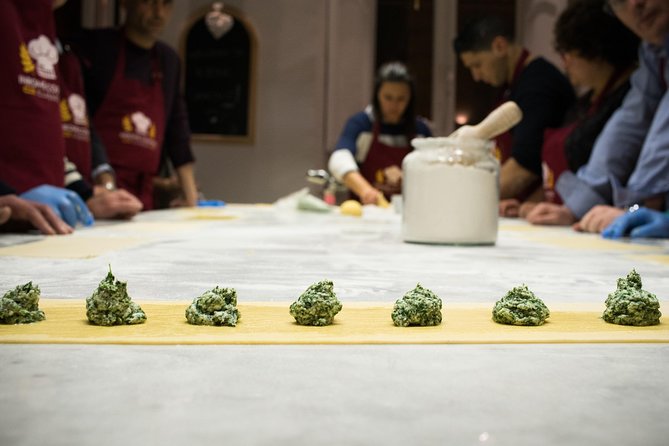
You’ll also make two types of fresh pasta. Some guests mention making shapes like spaghetti and fettuccine, and others describe ravioli-style work depending on the session. The point is that you’re doing more than one pasta form, which helps you understand how dough behavior changes with thickness and shape.
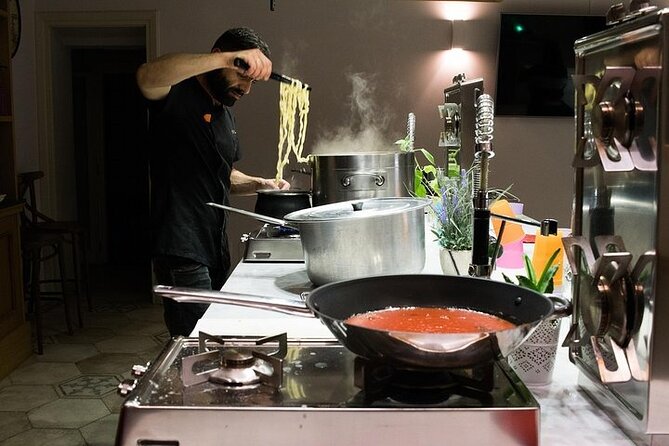
Then come the sauces: the class includes lessons on two traditional Roman pasta sauces. Roman cooking has its own personality—less about heavy sweetness, more about how fats, aromatics, and seasoning balance on the plate. Even if you’ve eaten Roman pasta before, learning how the sauce base works changes how you cook later.
Where this class gets strong is the explanation style. Multiple instructor names show up repeatedly—David, Simone, Marco, Francesco, Alessandro, Fabio, Max, and Sara—and the consistent theme is that the chefs don’t just say what to do. They guide you through steps in a patient, encouraging way, with practical substitutions and tips for making it work at home.
If you’re a beginner, you’ll still be in the action. If you’re more experienced, you’ll likely appreciate the attention to technique and the reasoning behind ingredient choices.
Roman Sauces: A Base You Can Reuse (Not Just Two One-Off Recipes)
A lot of cooking classes hand you two sauces and call it done. This one is more useful because it focuses on sauces in a way that helps you build beyond the session.
Even when the class plans for two sauces, the teaching approach gets described as flexible. In one case, a host allowed additional sauces when guests wanted to customize beyond the original menu, including accommodating an allergy request with attention to cross contamination. That tells me the instructors aren’t just following a rigid script—they’re watching what the group needs and adapting where possible.
So what does that mean for you? You leave with:
- a clearer sense of how a Roman sauce base is constructed
- an understanding of why ingredients are chosen (not just what goes in)
- a practical way to think when you’re back home trying to turn a method into your own dinner
That’s the hidden value in the sauce portion. It turns cooking from a one-time event into something you can repeat.
Tiramisù Lessons: A Classic Dessert Made Understandable
Tiramisù can feel intimidating because it has a few moving parts: the cream, the coffee-soaked element, and the final assembly. Here, the dessert is taught as a classic creamy tiramisù, guided step-by-step with the chef explaining what you’re doing and why.
The class includes a focused tiramisù portion after you’ve worked through the pasta. You’ll then sit down and enjoy what you make. The “learn it, then eat it right away” structure matters. Dessert technique often clicks faster when you can taste the finished version immediately after learning.
One more benefit: since it’s a hands-on dessert, it’s not just sugar dust on your sleeves. You learn the sequence so you can repeat it. Several notes mention that tiramisù was super approachable and easy to follow with the chef’s direction.
The Meal Moment: Wines, Dining Room Time, and Sharing a Table
This is not a class where you cook and then grab a takeout box and run. The experience is built around sitting down and eating.
Included in the experience are tastings, light refreshments, a two-course lunch listed in the included details, plus the rest of the class menu. Reviews also describe a dinner service setup with wine. The overlap makes sense once you understand the class is meant to end with a full meal—morning sessions tend toward lunch timing, and evening sessions toward dinner timing.
You can also expect the social element. One of the most consistently praised parts is the chance to chat—often because the instructors set a friendly tone and keep things moving without turning it into a lecture. If you’re traveling solo, that matters. If you’re with friends or family, it’s still a good energy.
Food is part technique, part celebration. Here, it’s both.
Price and Value: Is $119.77 Worth It?
At $119.77 per person, you’re paying for more than ingredients. You’re paying for:
- a chef-led class in a proper kitchen
- hands-on instruction for pasta and tiramisù
- a planned meal with wine and included drinks
- recipe guidance and take-home tips (several people mention getting a recipe link or cookbook-style resources)
So the real question is whether you’ll use what you learn. If your plan is to show up, cook, taste, and then actually try again at home, this price can feel fair. If you only want a fun snack or a quick photo, you’d probably do better eating out and skipping the class.
Also consider what’s included versus typical DIY costs. You’re not buying just flour, eggs, coffee, mascarpone-like ingredients, and wine separately. You’re buying the coaching and the structure so the food doesn’t turn into a messy experiment.
The one “value risk” is quality consistency. There’s one negative review that complained about loudness, difficulty hearing the instructor, a rushed feel, and average food results. While that’s the exception, it’s still a reason to choose this class if you like active learning in a lively room. If you prefer quiet, one-on-one instruction, this setup may feel less ideal.
Group Size and Room Noise: What to Expect in the Real World
Most of the reviews praise the intimacy and instruction clarity. The small-group format is repeatedly called out as a reason it works for couples, families, and even kids (ages 5 and up show up in multiple comments).
But here’s the reality you should plan around: the kitchen can run hot in terms of sound level. One complaint specifically notes that two separate classes ran in a tight space and it was extremely loud, making it hard to hear the instructor. In response, the provider explained the kitchen size and how they host two chefs with up to nine guests each, aiming to keep it personal while still being lively.
So if you’re sensitive to noise, go in with your expectations set. You’re learning with your hands in a working kitchen. It’s not a library. On the other hand, the strong majority of ratings suggest the chefs do a good job keeping directions clear even in a busy atmosphere.
If you’ve got hearing needs, ask for guidance when you book.
Best Fit: Who Should Book This Class (and Who Might Not)
This is a great match if you want:
- hands-on pasta making rather than a watching-only cooking show
- a full meal experience that feels like a shared table night out
- a fun, social way to do authentic Italian food in Rome without wasting time hunting for ingredients and recipes
Families seem to do well here. Multiple reviews say kids loved it and that it works across ages. Solo travelers also seem to like the small-group vibe and conversation.
Where it’s less ideal is if you:
- hate noise and don’t want to work in a busy kitchen
- expect a slow, quiet cooking workshop
- prefer a restaurant meal with zero cooking involvement
If your top priority is learning and you like an energetic room, it’s likely a hit.
Vegetarian and Gluten-Free Options (and Allergy Care)
The experience states vegetarian and gluten free options are available. That’s important because pasta and dessert can be tricky to adapt.
Also, allergy handling comes up in reviews. One review specifically describes the instructor being accommodating to prevent cross contamination for an allergy. That suggests the team takes food safety seriously, not just with a generic note.
If you have a serious allergy, be direct about it in advance and confirm what adjustments can be made. For cooking classes, the quality of the swap matters, and you want to be sure the chef can safely guide you through it.
Practical Tips for Your Rome Day
You don’t need a lot of planning, but a few choices can make the class smoother:
- Time it with your sightseeing. The 5:30 pm start means you should plan dinner around the class. You’ll eat what you cook, with included drinks.
- Arrive a bit early at Corso del Rinascimento. Not because it’s a complicated logistics exercise, but because Rome streets are real streets—life happens.
- Bring your appetite. You’ll start with appetizers and end with the meal you cooked.
- Expect hands-on work. Kneading, shaping, and mixing are the center of the experience.
- If you’re booking with dietary needs, flag it early. Vegetarian and gluten free options exist, and allergy prevention is described as important.
Should You Book This Pasta and Tiramisù Class in Rome?
I’d book it if you want a Rome activity that’s genuinely participatory: you cook two pastas, learn Roman sauces, then make and eat a classic tiramisù in the same sitting. The price makes more sense once you factor in chef coaching, the meal with drinks, and the take-home guidance.
I’d think twice if you hate noise or need very quiet instruction time. This is a working kitchen with a social atmosphere. One negative review highlights loudness and hearing issues, so if you’re very sensitive to that, choose your timing carefully and ask questions before committing.
If you like food with a teacher, and you want to leave Rome with technique you can repeat, this class is a strong bet.
FAQ
Is this class offered in English?
Yes. The experience is offered in English.
Where do I meet for the class?
You meet at Corso del Rinascimento, 65, 00186 Roma RM, Italy.
How long is the class?
It’s approximately 2 hours 30 minutes.
What dishes will I make?
You’ll learn to make fresh pasta (two types) and tiramisù.
Are vegetarian or gluten-free options available?
Yes. Vegetarian and gluten free options are available.
What’s included in the ticket price?
Food tasting, light refreshments, a meal (listed as a two-course lunch), bottled water, and alcoholic beverages are included.
Is alcohol included?
Yes. The experience includes alcoholic beverages, including Prosecco as part of the welcome in the sample menu, plus wine with the meal.
Is there a limit on group size?
Yes. The maximum group size is 15 travelers.
Can I cancel for a full refund?
Yes. You can cancel up to 24 hours in advance of the experience for a full refund.