REVIEW · VERSILIA
Cesarine: Small group Pasta and Tiramisu class in Viareggio
Book on Viator →Operated by Cesarine: Cooking Class · Bookable on Viator
A Viareggio home kitchen beats any studio. This small-group Cesarine class puts you inside a real local household to make handmade pasta and tiramisù, then sit down together for the meal. I like that you get more than recipes; you get the host’s habits and shortcuts that make Italian cooking feel doable.
What I especially love is the small-group feel (max 12), which means you can actually ask questions while flour is flying. And the fact that you’re doing two pasta dishes plus tiramisù means you leave with a full, repeatable dinner plan—not just one lucky success.
One consideration: this is a home setting, so the schedule can feel a bit more casual and family-paced than a strict restaurant class. If you need a perfectly timed, drop-you-off experience, you might want to plan extra buffer.
In This Review
- Key highlights to look for
- Why a Viareggio home-class beats a studio kitchen
- What you’ll cook: two handmade pastas and tiramisù
- Your Cesarine hosts: warmth, pacing, and real-family tips
- The meal part: pasta, drinks, and a proper sit-down
- Timing and group size: max 12 means you’re not lost
- Price and value: why $162.19 can be worth it
- Who should book this pasta and tiramisù class
- Should you book Cesarine: Pasta and Tiramisu in Viareggio?
Key highlights to look for
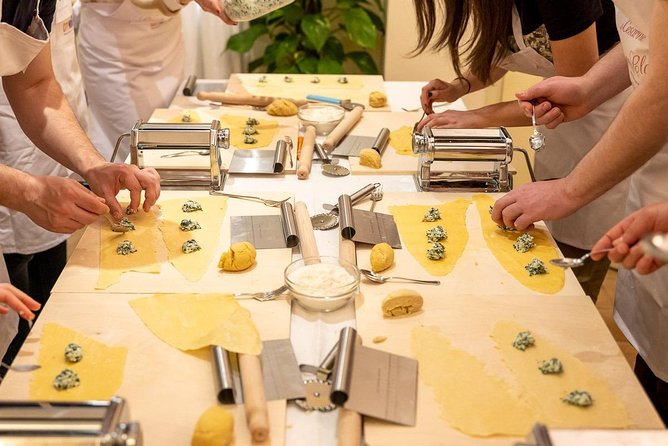
- Cesarine hosts welcome you like part of the family, not like a class you’re rushing through
- Two pasta dishes with handmade pasta, plus tiramisu so you get both savory and dessert wins
- Small-group size (up to 12) for real interaction and follow-up questions
- Meal included, with drinks, so you cook and then eat what you make
- English-taught class, plus hosts who often help with communication in a pinch
- Viareggio location near public transport, with easy access to the start point
Why a Viareggio home-class beats a studio kitchen
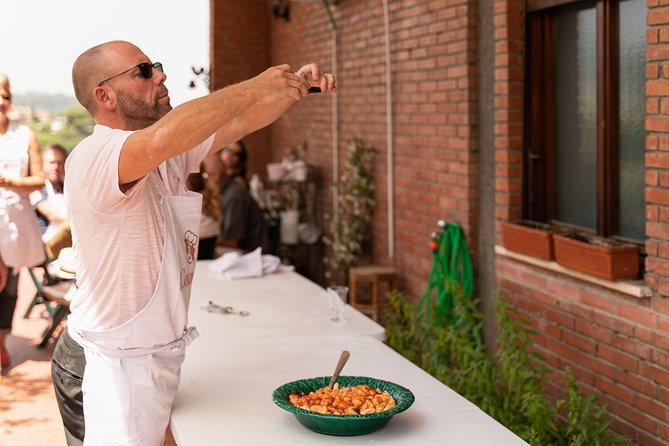
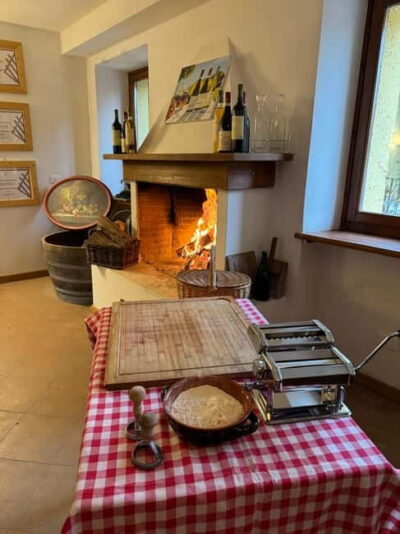
If you’ve taken cooking classes in big venues, you might remember the feeling: nice demo, lots of watching, not much back-and-forth. Here, the whole point is that you’re cooking inside a local home in Viareggio. That changes the vibe fast. You’re not just learning technique—you’re learning how families actually work together in the kitchen.
I’m a fan of this style for one simple reason: it teaches you context. The Cesarine hosts (the local home cooks) don’t just explain what to do; they tend to explain how they know it’s right. That’s the difference between following steps and building confidence. In the sessions I’ve seen described, hosts like Paola and Anna have been especially warm and hands-on, with the kind of patient teaching that makes even fiddly pasta steps feel manageable.
The class also stays grounded in the reality of Italian food: the meal matters. You’re not only making dishes; you’re eating them with the people who taught you, often with shared conversation that turns the kitchen into a social experience.
What you’ll cook: two handmade pastas and tiramisù
You’ll make handmade pasta—not just assemble something from a store-bought sheet. The experience centers on two pasta dishes and tiramisù. That menu is a smart choice because it covers two different kinds of Italian “thinking.”
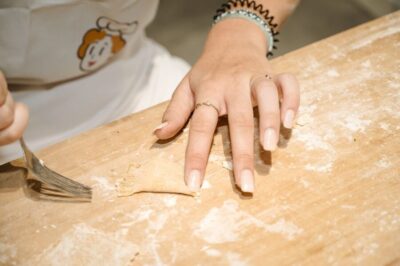
For pasta, you’ll be learning how to handle dough and how to shape it. Ravioli-type steps and other filled or cut pasta styles come up in the way these courses are taught in this region, and multiple sessions highlight ravioli/pasta-making outcomes. Expect instruction geared toward getting you from dough to finished pasta, not leaving you stuck in the middle.
For tiramisù, this class focuses on the classic endgame: a dessert you can repeat at home. One of the best signals in the feedback is that people left planning to make tiramisù again soon after returning home—meaning the method felt clear and achievable.
If you like structured learning but also want a real payoff, this combination hits the sweet spot. You leave with both a main and a dessert that map neatly to a dinner you can host.
Your Cesarine hosts: warmth, pacing, and real-family tips
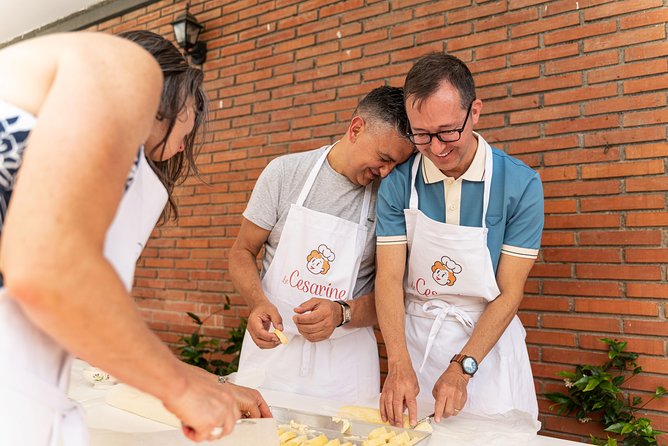
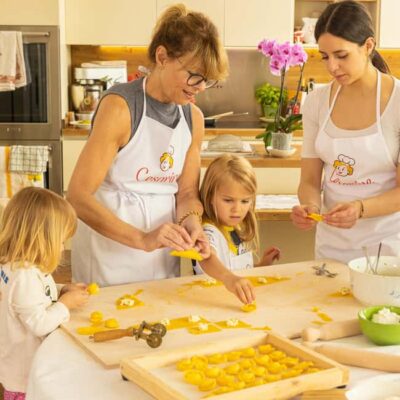
In a home class, the “teacher” is often the biggest ingredient. Here, the hosts are Cesarine home cooks, and the welcome is repeatedly described as genuinely friendly and accepting—like you’re part of the day, not a visitor hovering at the edge of the kitchen.
You’ll likely work directly with your host at the counter. In past sessions, hosts like Paola and Anna have been described as bubbly, patient, and quick to give personal cooking tips. Roberta and Massimo show up in the experience too in some homes, and there’s often a relaxed family atmosphere that makes learning feel light.
A fun detail that stands out from the real-world accounts: little household companions sometimes join the day—dogs like Tobia/Toby and Pina have been mentioned. That’s not essential to the meal, but it reinforces the home setting. It’s one more reason the class feels human, not performative.
Communication is also part of the charm. This class is offered in English, but some sessions used translation to bridge gaps. Either way, the teaching tends to focus on what you need in the moment: how the dough should feel, when a texture looks right, and what to watch for during assembly.
The meal part: pasta, drinks, and a proper sit-down
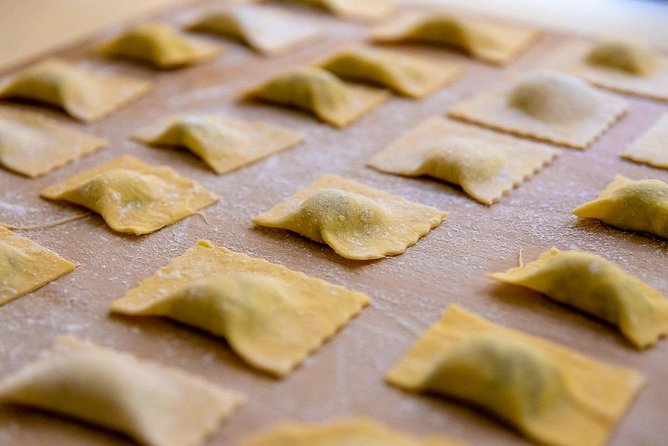
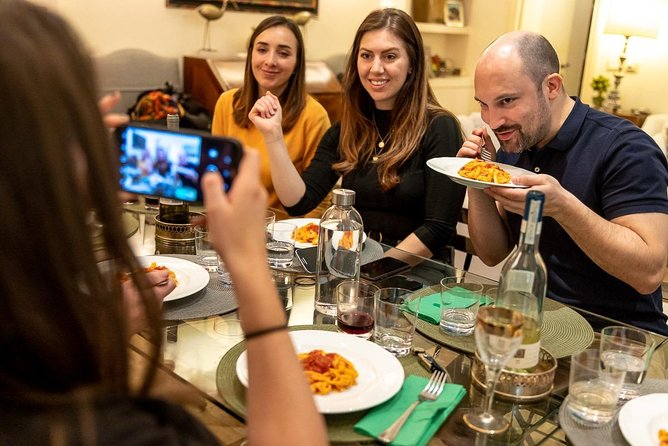
This experience isn’t a snack-and-go. After cooking, you’ll enjoy the meal you made, featuring pasta and tiramisù, with drinks included.
The specific drink setup can vary by host, but many accounts mention wine and aperitivo-style moments. One session includes a cheeky limoncello to finish. I wouldn’t count on a particular liqueur every time, but if your goal is to experience a true Tuscan-leaning dinner rhythm—cook, eat, talk—that’s exactly what you’re signing up for.
This “eat what you made” format is more than nice. It helps you learn faster. When you taste the pasta you shaped and the tiramisù you assembled, you can connect flavors and textures to the steps you took. You’ll understand what worked and what to tweak next time.
It also changes the feel of the class. Instead of rushing to leave, you tend to linger. In one account, the day ran longer than a typical short class because the group sat down and kept chatting. That’s the upside of a home experience: it often becomes memorable beyond the cooking steps.
Timing and group size: max 12 means you’re not lost
This class runs about 3 hours (approx.). That’s a good length if you want real hands-on work without eating up your whole day.
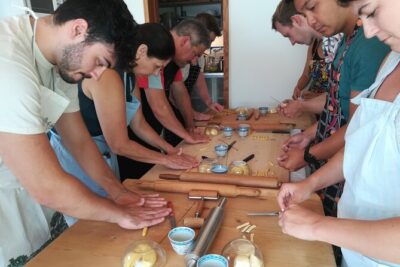
The group size is where the experience really pays off: a maximum of 12 travelers. In practice, that usually means your host can check on you while you’re working and can correct little technique issues before they become habits.
If you’re the type who learns best by asking questions, you’ll probably appreciate this format more than a large tour. You can ask what’s happening with the dough, what texture to aim for, or how to assemble tiramisù without panic.
For logistics, the meeting point is listed as 55049 Viareggio, Province of Lucca, Italy, and the activity ends back at the meeting point. The start location is also described as near public transportation. Some people mention the house being a short walk from the station, which is a practical win if you’re combining the class with train time.
Price and value: why $162.19 can be worth it
At $162.19 per person, this isn’t the cheapest activity in town. But it lines up with what you actually get: a small-group, home-based, hands-on cooking session with a full meal and drinks included.
Here’s where the value comes from:
- You’re paying for access to a private home and the host’s time, not a commercial kitchen demo.
- You learn multiple skills: pasta dough/handling plus tiramisù assembly.
- You eat your results with the people teaching you, which adds real “experience value” beyond instruction.
- The class is in English, which matters because it reduces friction and keeps you actively learning.
If you compare it to a dinner out, you’ll notice you’re not just buying food. You’re buying a structured, guided way to recreate that meal later. And if you’re the kind of traveler who wants one meaningful “taste and technique” moment in each destination, this class fits that goal really well.
Who should book this pasta and tiramisù class
This is a great match if you:
- Want a hands-on Italian cooking experience in a real home setting
- Like small groups and hate getting lost in a crowd
- Want to learn enough to cook a future dinner at home (especially tiramisù)
- Enjoy chatting while you eat, since the meal portion is part of the experience
It’s also a good option for couples, friends, or small families who want something different from museums and beach time.
If you dislike spending time in a home environment or you prefer highly formal pacing, the family-style atmosphere may feel too casual. But if you can enjoy a relaxed, welcoming kitchen day, you’ll likely love it.
Should you book Cesarine: Pasta and Tiramisu in Viareggio?
I’d book it if your goal is authentic food culture you can actually take home and repeat. The combination of two handmade pastas plus tiramisu, the small-group size, and the sit-down meal with drinks makes this feel like a full experience rather than a quick workshop.
Before you go, set yourself up for success: come hungry, ask questions when they come up, and be ready to learn by doing—pasta dough rewards attention, not speed. If you have dietary needs, it’s worth communicating them when booking because some sessions have reported menu adjustments to fit guests.
If you want one Italy memory that isn’t just a photo, this class has the right ingredients: people, process, and a table set with what you made.